
H11 Led bulb You Can Trust for Long-Lasting Performance
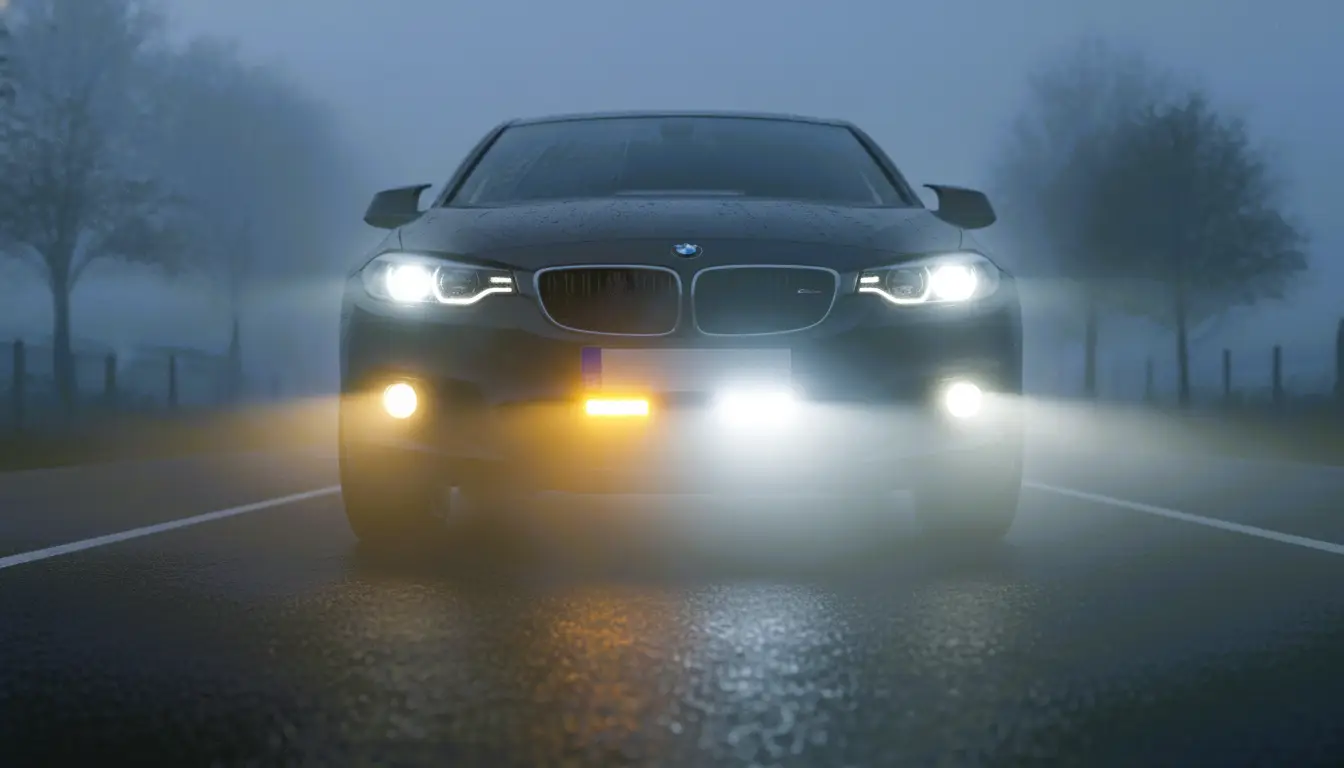
The H11 LED bulb offers a quick way to enhance your headlights with stronger brightness and longer life. Learn why drivers prefer this upgrade for daily and night travel. I’ve worked with lighting for a long time, and I still get a small spark of excitement whenever I install a new bulb that actually performs the way I expect.
If you have ever driven at night with weak headlights, you know the feeling. The road looks darker. Your eyes work harder. You even lean forward, hoping it will help, even though it never does. I’ve had those drives too, and that’s one of the reasons I like using the H11 LED style. It gives me cleaner output, better road clarity, and less stress on my vehicle’s system.
I’m keeping this guide simple. Easy to read. Slightly nerdy in spots. And yes, casual enough that you won’t feel like you’re reading a dry manual. Think of it as me talking to you while we stand by the car with the hood open.
What I Mean When I Talk About an H11 LED Bulb
When I talk about an H11 LED bulb, I’m describing a bulb that fits a common socket used in many vehicles. My first car used it for low beams, and I still remember how weak the halogen output felt. I always joke that the light was so soft, it almost apologized before hitting the road. The upgrade to LED changed everything. An H11 LED bulb uses a tiny semiconductor to produce light. No filament. No gas. Just a direct, clean beam that switches on instantly. I prefer this setup because it gives me better visibility without draining much power from the car.
Why I Prefer Using an H11 LED Bulb
Another thing I like is that most H11 LED bulbs fit the same slot as the halogen version. I don’t have to modify anything or do electrical gymnastics. I just removed the old bulb, inserted the new one, locked it in place, and tested the beam. It is easy. Even on days when I feel lazy. I admit that happens more often than I tell my clients. When I’m dealing with foggy weather, I also use an H11 LED fog-light option. It gives me a clearer path through thick mist or wet roads. If you want more fog-light guidance, you can check my related guide on fog lights.
One thing I always check is color temperature. I usually go for a clean white output because it helps my eyes adjust quickly. But I avoid anything too blue. It looks cool, sure, but it can reflect off dense fog and make visibility worse. I’ve learned that lesson the hard way twice.
In short, I chose this type of bulb because it’s practical. It fits many vehicles, lights up fast, and doesn’t require a degree in electrical engineering to use. And for someone like me who works with lighting daily, that convenience matters.
How I Compare the H11 LED Type to Halogen
When you switch from halogen to H11 LED, the difference is so obvious that you’ll wonder why you waited this long. It is like going from an old tube TV to a modern 4K display. The concept is the same, but the experience is completely different.
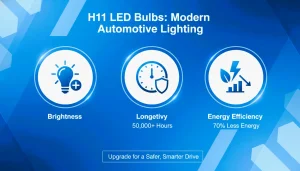
Brightness & Light Output
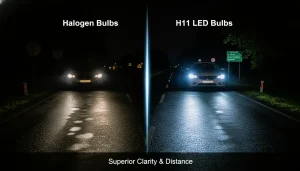
Halogen bulbs use a heated filament, which means most of their energy turns into heat instead of light. That’s why halogens always look a bit… tired. H11 LED bulbs, on the other hand, use semiconductor chips that convert power directly into illumination. The result?
- Cleaner, sharper beams
- More consistent brightness
- Longer throw distance
With LEDs, the road finally looks like it should: clear.
Color Temperature
Halogens have that warm yellow tone (around 3200K). It’s okay, but it often gets swallowed by rain and darkness. H11 LEDs usually range from 5000K–6500K, producing crisp white light that improves contrast and reduces eye strain — especially during long night drives.
Efficiency & Power Draw
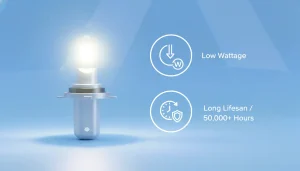
Halogens basically run like little heaters disguised as light bulbs. They draw more power and still put out less light. H11 LEDs use significantly less power while giving you more visibility. That’s easier on your battery and alternator.
Heat Management
Ironically, even though halogens run hotter, LEDs actually need better cooling.
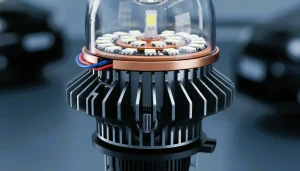
High-performance H11 LED bulbs use:
- Aluminum heat sinks
- Copper cores
- High-speed micro fans
- Thermal control chips
This ensures the LED chips stay stable and bright over time.
Lifespan
Halogens typically last a few hundred hours. LEDs? Tens of thousands. Once you switch, you basically forget about replacements for years.
Lighting Fog: How LEDs Improve Visibility
Fog can scatter white or blue light, making visibility worse. That’s why using the right color temperature and beam angle is critical.
LED fog lights help because:
- They offer targeted beam patterns
- They reduce blurry reflections
- They improve ground illumination
If you’re often driving through foggy highways or rural areas, this upgrade is a lifesaver.
Why I Use H11 LED Bulbs for Fog Light Setups
Fog lights have one job and one job only. They cut through thick mist without blinding you or anyone else on the road. I have tested many setups. I know that H11 LED bulbs work well when you choose the right brightness and color. Let me walk you through why I choose them so often.
-
Instant Visibility When It Matters
Fog isn’t patient. It rolls in quickly and reduces your vision before you even realize what’s happening.
That’s why I like LEDs here. The response is instant. No warm-up time. No slow glow. You turn the switch, and the beam is ready.
-
Cleaner Beam Pattern
Fog lights sit low on the bumper, and that angle matters. With halogen bulbs, the beam sometimes spreads too wide or too unevenly.
H11 LEDs usually give me:
- Tighter beam cutoffs
- More controlled spread
- Less stray glare
That control keeps the light low, which is exactly what you want in fog.
-
Better Contrast in Foggy or Rainy Conditions
This is one of those technical areas I enjoy explaining. Fog is just water in the air. Water reflects light. Blue-tinted beams bounce back into your eyes. That’s why I stay away from extremely cool LEDs in fog setups.
For fog, I normally choose:
- Around 3000K–4000K for yellowish tones
- Or a soft 4500K if I want a white beam without harshness
These tones help the light pass through the mist instead of bouncing off it.
-
Low Power, High Stability
Fog lights usually stay on for a long time. Sometimes they stay on for the entire drive.
LEDs help here because:
- They draw less power
- They produce less wasted heat
- They stay stable even after hours of use
If you’ve ever felt your halogen fog housing after a long drive, you know how hot they get. LEDs avoid that stress on the assembly.
-
Longer Lifespan for Frequent Fog Users
Fog might not appear every day. But when it does, you’ll use your fog lights heavily. H11 LED bulbs last longer, so I don’t worry about them burning out mid-season. I’ve seen some go for years without losing strength.
How I Choose the Right H11 LED Bulb (My Personal Checklist)
Whenever I choose an H11 LED bulb, I follow the same basic checklist. I do this for my own car and for any client as well. It keeps the process simple, fast, and consistent. Let me walk you through how I do it.
-
I Look at the Beam Pattern First
Brightness is nice, but beam control is everything. If the beam throws light everywhere, it creates glare and actually reduces visibility.
So I always check:
- How clean the cutoff line is
- How focused the center hotspot looks
- Whether the spread matches the original halogen pattern
A good LED should mimic the factory beam shape, not fight against it.
-
LED Chip Type Matters More Than People Think
I’ve used plenty of LEDs over the years, and the chip design directly affects the output.
My top things to look for:
- Thin chip placement (for better halogen-like focus)
- Even chip spacing
- High-efficiency diodes that don’t overheat
When the chip is well-positioned, the bulb produces a clean beam with less scattering.
-
Cooling System: The Silent Hero
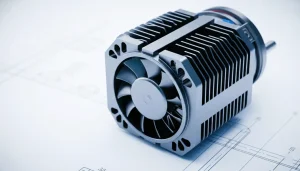
Cooling is one of the most important parts of an LED bulb. It decides whether the bulb stays bright or dims over time.
I check for:
- Aluminum or copper heat sinks
- A strong but quiet fan
- Thermal protection that prevents overheating
If the cooling is weak, the LED loses brightness, and the lifespan drops fast.
-
Color Temperature: I Always Choose Based on Purpose
For normal driving, I prefer something around 5000K–6000K because it feels natural and sharp. For fog setups, I choose a lower color. I stay around 3000K to 4500K. This helps me see better through mist or heavy moisture. Choosing the right color temperature makes the whole driving experience easier on the eyes.
-
Size and Fit: Don’t Overlook This
Some H11 LEDs have large heat sinks or long bases, and they don’t fit tightly inside compact housings.
I always check:
- Housing space
- Dust cover clearance
- Wire length for easy installation
A bulb can be amazing on paper and still be a pain to install if it’s too bulky.
-
Weather Resistance
Fog lights and headlights face humidity, dust, and temperature changes.
So I look for:
- IP67 or IP68 ratings
- Sealed connectors
- Moisture-resistant drivers
These small details protect the LED from early failure.
-
Warranty and Real User Feedback
I don’t rely only on the product page. I look for real feedback, especially on beam pattern, longevity, and heat control. If a bulb performs well for many people, it usually performs well for me, too.
Common Mistakes People Make When Buying H11 LED Bulbs
I’ve watched a lot of people upgrade their lighting over the years, and most of the problems they run into come from simple mistakes. The good news? They’re easy to avoid once you know what you’re looking for. Here are the ones I see the most.
-
Choosing the Brightest Number Instead of the Best Beam Pattern
Everyone likes big lumen numbers. I understand it. High brightness sounds impressive. But if the beam isn’t controlled, all that brightness turns into glare. A clean beam pattern with a proper cutoff is far more important than raw power. You want clarity, not a light cannon.
-
Ignoring Cooling Systems
This is a quiet but critical mistake. People see “LED runs cooler than halogen” and assume cooling doesn’t matter.
In reality:
- The LED chip still produces heat at the base
- Weak cooling leads to a brightness drop
- Poor heat dissipation shortens lifespan
Good heat management is what keeps a bulb performing consistently.
-
Buying the Wrong Color Temperature
Some drivers pick the brightest color they can find. Many go for 6500K or even higher. But that sharp blue-white tone can bounce off rain, fog, or snow and actually reduce visibility. If you drive in mixed conditions, a softer white around 5000K–6000K usually works best.
If you’re buying for fog lights, go even lower.
-
Overlooking Bulb Size and Housing Clearance
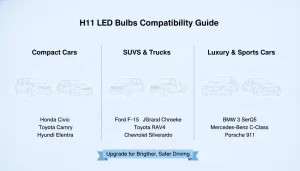
New buyers often forget to check whether the LED base will actually fit in the headlight housing.
Some bulbs are:
- Too long
- Too wide
- Blocked by dust covers
- Tight against wiring
A quick measurement saves a lot of installation frustration.
-
Forgetting About CANbus Compatibility
Not every vehicle reacts the same way to LED upgrades. Some cars throw warning lights or flicker when they detect a different power load. A CAN bus-ready driver usually solves this problem, but many people forget to check until the bulb starts blinking like a nightclub.
-
Trusting Only the Product Description
I’ve seen too many listings promise things that don’t match reality. That is why I always look for real feedback. I pay extra attention to photos that show the beam pattern. A user photo tells me more than any marketing image ever will.
-
Mixing the Wrong Bulb Type for Fog Conditions
Some drivers use a pure white 6500K bulb for fog because it creates a modern look. But in fog. white light can reflect and reduce clarity. For fog setups, softer tones are more effective. It’s a small detail that changes everything in poor weather.
How I Install an H11 LED Bulb (My Simple Step-by-Step Process)
Installing H11 LED bulbs doesn’t have to be complicated. I’ve done it countless times, and I always follow the same process to make sure it’s smooth, safe, and efficient. Here’s my approach.
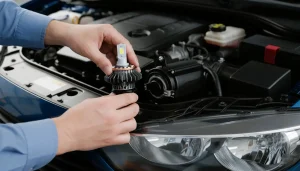
Step 1: Prepare Your Vehicle
Before touching anything, I always:
- Turn off the car and remove the key
- Let the old halogen bulbs cool down
- Gather gloves and a clean cloth
Why gloves? Oils from your fingers can damage the LED housing or create hot spots. It’s a small step that saves headaches.
Step 2: Remove the Old Halogen Bulb
This part is usually straightforward:
- Open the headlight or fog light housing
- Release the clip holding the bulb
- Carefully pull the bulb straight out
I like to keep the old bulb handy, just in case I need a quick comparison.
Step 3: Inspect the Socket and Wiring
I always check the socket for:
- Dust
- Corrosion
- Loose connections
A clean connection ensures the LED works properly and prevents flickering.
Step 4: Insert the H11 LED Bulb
This is where things get satisfying. I carefully:
- Align the LED base with the socket
- Push it in gently
- Lock the clip in place
Pro tip: Many H11 LEDs are polarity-sensitive. If it doesn’t light up immediately, just rotate it 180° and try again.
Step 5: Manage the Cooling System
LEDs generate heat at the base. I make sure:
- Fans aren’t blocked
- Heat sinks have clearance
- Wires aren’t pinched
Proper airflow keeps the bulb performing at peak brightness.
Step 6: Test the Beam
Before putting everything back together, I turn on the lights and check:
- Beam pattern
- Brightness
- Any flicker
If the beam is misaligned, I adjust the housing until it’s perfect.
Step 7: Secure Everything
Once satisfied, I replace the dust cover and close the hood. Then I give myself a small nod of satisfaction. A job done well always feels good. I also like to mention that for fog light setups, the process is almost identical. Just make sure you’ve got the correct H11 LED variant for your fog housing. And if you need more fog-specific tips, you can check my guide on fog lights

Maintenance Tips & Longevity Tricks for H11 LED Bulbs
Once you’ve installed H11 LED bulbs, keeping them performing at their best is easier than most people think. I’ve learned a few practical habits over the years that make the bulbs last longer and save money in the long run.
-
Keep the Housing Clean

Dirt, dust, and moisture can reduce the efficiency of your LEDs. I check the headlight and fog light housings occasionally and:
- Wipe the lens with a soft cloth
- Ensure the seal is intact
- Remove any trapped debris
Clean housings help maintain a crisp beam pattern.
-
Inspect Wiring and Connectors
LEDs rely on consistent power. Loose or corroded connectors can cause flickering or early burnout. I make a habit of checking:
- Wiring for cracks or pinches
- Connectors for corrosion or dirt
- That the plugs are fully seated
This small step prevents a lot of frustration later.
-
Avoid Touching the Bulb Surface
Even though LEDs don’t have filaments, oils from your fingers can damage parts of the bulb over time. I always handle bulbs by the base, never the LEDs themselves.
-
Monitor Heat Dissipation
Good LEDs manage heat internally, but you still need airflow. I make sure:
- Fans aren’t blocked
- Heat sinks aren’t pressed against surfaces
- No insulation or wires trap heat
Overheating is the main reason high-quality LEDs fail prematurely.
-
Regularly Check Beam Alignment
After driving on rough roads, bumps, or minor collisions, the beam alignment can shift slightly. I do a quick visual check every few months to ensure:
- Light points where it should
- No glare for oncoming traffic

Proper alignment keeps both you and others safe.
-
Replace in Pairs
If one bulb fails, the other is often close behind. I always replace both H11 LEDs at the same time. It maintains consistent brightness and avoids the awkward “one side brighter” problem.
- Store Spare Bulbs Properly
Extra bulbs should be stored in a dry, cool place. Moisture, extreme heat, or direct sunlight can reduce their lifespan even before they are installed. These small routines don’t take much time, but they dramatically extend bulb life. In my experience, a little care can make a big difference. This is even more true when you often drive in fog, rain, or dust.
Frequently Asked Questions About H11 LED Bulbs
Over the years, I’ve noticed that drivers often have the same questions about H11 LED bulbs. Here is a breakdown of the most common ones. I also give my clear and simple answers.
Q1: Can I use H11 LED bulbs in my fog lights?
Yes, in most vehicles. I always double-check the bulb size and housing clearance first. Some cars require a CAN bus-compatible LED to avoid dashboard errors, but the majority are plug-and-play.
Q2: Will H11 LEDs fit all vehicles that use halogen bulbs?
Mostly yes, but there are exceptions. If your housing is tight or the bulb has a large heat sink, you may need a low-profile option. Always measure before buying.
Q3: Are H11 LED bulbs legal?
That depends on your region. For fog lights, most bulbs are fine. For headlights, some jurisdictions have regulations on brightness and color. I always check local rules to avoid fines.
Q4: Do I need a resistor or an adapter?
Some vehicles detect LEDs as “burned-out bulbs” due to lower power draw.
In that case, I use a CAN bus adapter or resistor to prevent flickering and error messages.
Q5: How long will H11 LED bulbs last?
Good quality LEDs can last 20,000–50,000 hours. That’s years of use if you’re not driving with them constantly. I like pairing them with proper cooling and clean housings to reach that lifespan.
Q6: Can extreme weather affect performance?
Heat and moisture can impact any bulb. That’s why I choose IP67/IP68 rated bulbs, keep housings sealed, and avoid blocked airflow for the cooling system.
Q7: How do I choose the right color temperature?
It depends on the purpose:
- Low beams / general driving: 5000K–6000K (clean white)
- Fog lights: 3000K–4500K (yellowish/soft white)
I choose the one that helps me see better in real road conditions. I do not pick something just because it looks cool.
Q8: Can I mix halogen and LED bulbs on the same vehicle?
Technically, yes, but I don’t recommend it. Different light intensities and color temperatures can make your beam uneven. I usually replace bulbs in pairs for consistent brightness and beam pattern.
My Final Thoughts on H11 LED Bulbs
After spending years working with different lighting setups, testing upgrades, and helping drivers pick the right bulbs, I’ve come to appreciate how much a simple swap can change the driving experience. Upgrading to H11 LED bulbs is not only about brighter light. It helps you drive with more confidence. It gives you more comfort on the road. You also feel a bit proud when you see that clean white light ahead of you.
I like knowing that my lights respond instantly. I like seeing a clear, stable beam that doesn’t flicker or fade over time. And honestly, I enjoy the look. It feels modern, sharp, and purposeful. But what matters most to me is practicality. If a bulb lasts longer, uses less power, and gives me a clearer view of the road, that’s a win. And h11 led bulbs do all of that when you choose them carefully.
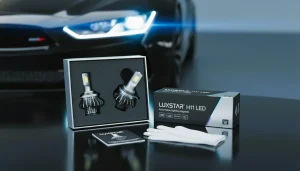
Here’s what I always remind myself:
- A good beam pattern beats high lumen numbers
- Proper cooling keeps LEDs performing for years
- Fog lights need a softer color temperature
- Vehicle compatibility makes or breaks the upgrade
- Checking alignment isn’t optional — it’s necessary
Once these parts come together, the lighting upgrade feels complete. Whether I’m driving at night, in the rain, or through that stubborn early-morning haze, I want lights I can trust. And that’s why I keep choosing H11 LED bulb setups. If you decide to make the switch, I think you’ll feel the same difference I do. It’s subtle at first, then you wonder why you waited so long.