
Fog Lights Advice for Winter and Rainy Conditions
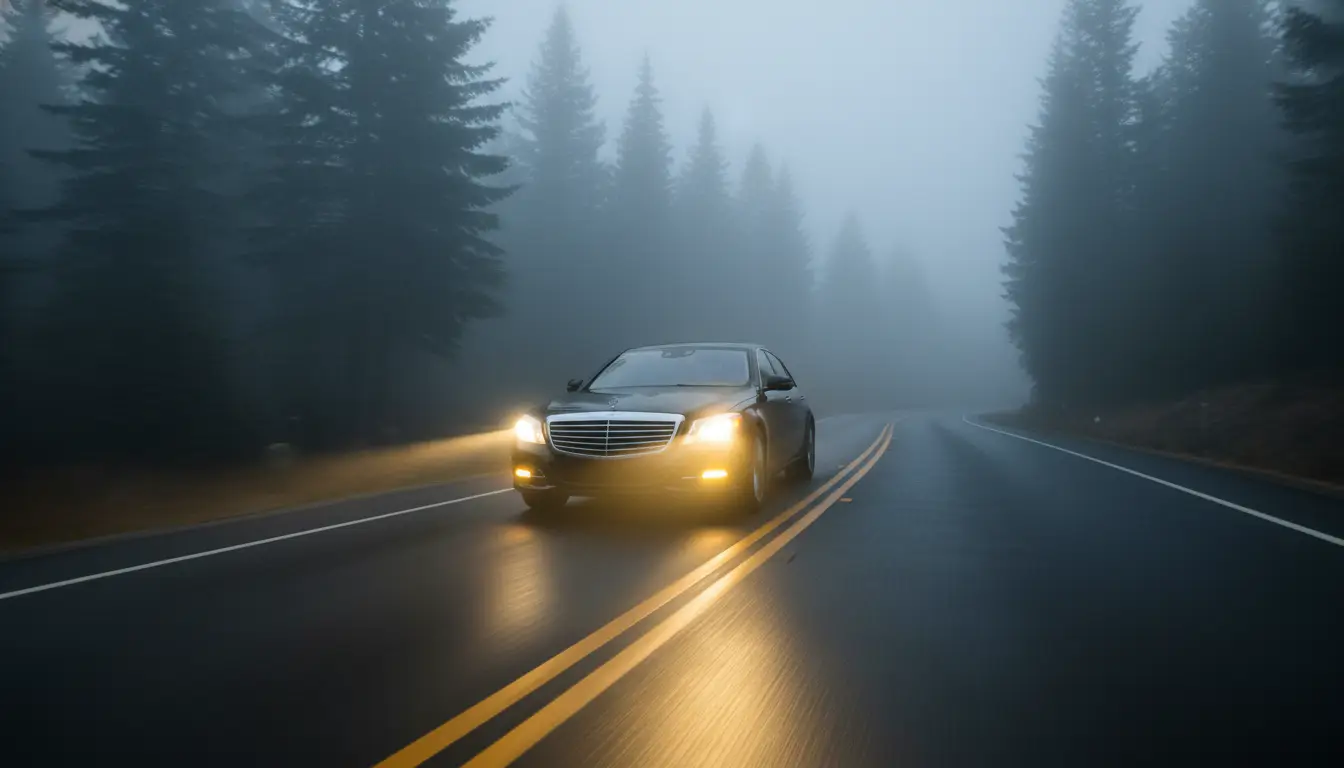
I’ve spent years working with car lighting setups, and fog lights still surprise me with how little they are understood. The name gives away half the story. They help me see through thick mist, spray, or the kind of gloomy weather that makes the road feel like it’s fading into a dream. And yes, sometimes that dream includes a driver ahead who forgot to switch theirs off.
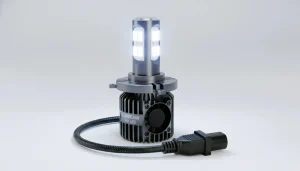
H11 LED headlight bulbs are designed to enhance visibility when regular headlights struggle to penetrate the haze. They sit lower, shine in a wide pattern, and help me see what’s right in front of my bumper. More importantly, they help other drivers see me. That little glow can make a big difference on days when visibility drops fast.
What Fog Lights Do
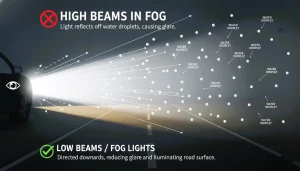
Fog lights help me see when visibility takes a hit. Thick mist, steady spray from the motorway, or low-hanging moisture can make the road ahead disappear. Regular headlights reflect off that moisture and bounce back into my eyes. That makes things worse. LED fog lights solve this by sitting lower and sending light under the haze.
The front H11 LED headlight bulb brightens the ground right in front of my car. The rear H11 fog light bulb does something different. They shine brighter than standard taillights so drivers behind me can spot my vehicle earlier. That matters when the road feels like a grey wall, and everyone is guessing what’s ahead. Even with all the new tech in cars today, fog lights remain one of the simplest tools I rely on when driving in weather that makes everything blurry.

Where Fog Lights Are on a Car
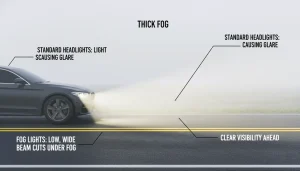
Front fog lights usually sit low, under the headlights. That placement stops the beam from bouncing back into my eyes. It keeps the light where I need it. Right on the road. Not all cars come with front fog lights, especially base trims. Some manufacturers add them only to higher versions.
Rear lighting fog is different. They sit in the rear light cluster and shine straight behind me. Most cars have at least one on the right or in the centre. That one bright light helps drivers behind me understand that a car is ahead, even when everything looks washed out.
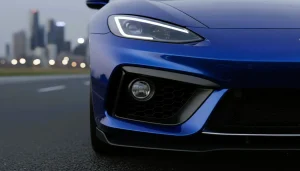
Daytime running lights confuse some drivers, but they’re not fog lights. They’re always on and help other drivers spot the vehicle. They don’t cut through thick mist or spray.
What Fog Light Symbols Look Like
Fog light symbols are simple, though they might look like tiny hieroglyphics the first time you see them. Cars usually display them on the switch cluster or the dashboard.
The front symbol points to the left with a wavy line through it. The rear symbol is similar but points right. In newer cars, especially models with touchscreen controls, the symbols might appear on the infotainment screen instead. As long as you know the direction each symbol faces, it’s easy to tell them apart.
When I use LED fog lights
Fog lights come on only when visibility drops below a point where I feel unsure about what’s ahead. If I cannot see about 100 meters ahead, I turn them on. That distance is close to the length of a football field. That tells me it is time to use them. Snow, thick mist, heavy spray, or sudden pockets of low-lying moisture all qualify.
Using them at the wrong time is a problem. Front fog lights can blind drivers ahead. Rear fog lights can hide my brake lights. Both issues create risk on an otherwise clear road. The goal is simple: use fog lights only when you truly need them.

Types of Fog Lights I Work With
Over the years, I’ve dealt with several fog-light setups. Each type behaves differently, but they all share one goal: helping me see in lousy weather. I’ll break them down in a simple way so it’s easy to understand without feeling like you’re reading a science manual.
Halogen Fog Lights
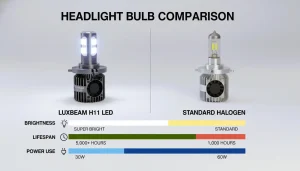
Halogen fog lights have been around for ages. They’re warm in color and easy to replace. I still see them on plenty of cars today. They’re budget-friendly, and they do the job well enough for everyday driving. Their weakness? The brightness doesn’t compare to modern lighting. When the weather is rough, I usually prefer something that gives clearer visibility. Still, they work, and they’re common for a reason.
LED Fog Lights
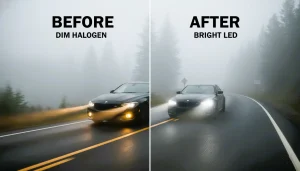
LED options are becoming more common because they offer strong, clean light without heating up much. When I’m driving in thick mist, LED fog lights give me a sharper view of the road. The light spreads well across the ground, which helps me react sooner.
I also like how long they last. I don’t have to think about replacing them often, which is a relief when the weather gives me enough problems already. They pair well with newer cars, but I’ve installed them in older models too. They’re a solid upgrade for drivers who want better visibility without complicated setups.
H11 Fog Light Bulbs
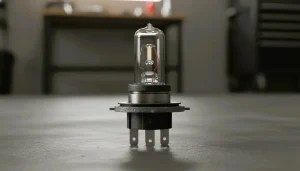
Many cars use H11 bulbs for fog lights. They’re compact, reliable, and easy for me to install. I like them because they fit many vehicles. There is no guessing. I do not need to dig through manuals for hours.
They come in halogen and LED versions. Each one gives a different driving experience. Halogen feels warmer, while LED gives cleaner visibility. It depends on what I need for the road and how much brightness I want.
H11 LED Headlight Bulbs: Can I Use Them as Fog Lights?
This question comes up a lot. The short answer: sometimes. The long answer: depends on the beam pattern and the vehicle.
H11 LED headlight bulbs are bright and clear, but they’re shaped for a different purpose. Headlights need to project far ahead. Fog lights need to stay low and wide. If the LED headlight version fits the housing and gives the right pattern, it can work, but not every car will handle it well.
I’ve used them in certain setups, but I always check how the beam spreads on the road. If the light shines too far up, I change it back to a proper fog light style. My goal is simple. I want better visibility without blinding anyone.
Choosing the Right Option for My Driving Needs
I always start with one question: what kind of weather do I face the most? Driving through steady mist or dark rural roads, LED fog lights give me the clearest view. For something affordable and predictable, halogen does the job. When my car uses H11 bulbs, I check both standard and LED versions to see which fits best. Each one shines differently. The right choice is the one that helps me see clearly without creating glare.
How I Switch My Fog Lights On
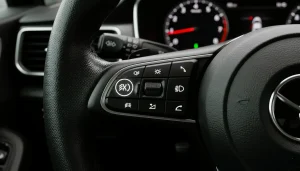
Turning fog lights on should be simple, but car manufacturers sometimes enjoy confusing us. Depending on the model, I might find the switch on the dash, on the indicator stalk, or tucked into a tiny button that looks like it controls a spaceship.
Some cars use a rotating knob with a pull-out action. Others hide everything inside a touchscreen menu, which is great until I’m driving in heavy mist and tapping through three screens just to find the fog-light icon. Either way, I always check the vehicle’s manual the first time so I don’t end up guessing on the road. As long as I know where the switch is and how it feels, it becomes second nature.
How I Know My Fog Lights Are On
Most cars show a small symbol on the dashboard once H11 LED bulbs are activated. The front icon points left, and the rear icon points right. Think of them as little arrows telling me which end of the car is glowing.
These symbols light up just like the headlight indicator. Even in cars with automatic headlights, fog lights are still manual. No system is smart enough to judge fog for me. That part is up to the driver — and yes, that includes me making the right call.
When I Turn Fog Lights Off
The moment visibility improves, my lighting fog goes off. There’s no reason to keep them on, and they do more harm than good in clear conditions. Front fog lights can shine directly into the eyes of oncoming drivers. Rear fog lights can hide my brake lights. Both issues create real risk, and fines are possible if I leave them on without needing them.
If the road looks clear again, I turn them off. Even if only a few minutes have passed. I switch them off right away. It keeps the drive safe, and it stops the guy behind me from silently wishing I’d taken a bus instead.

Why Using Fog Lights Incorrectly Causes Problems
lighting fog is bright. That’s great when the road looks like it’s wrapped in cloud. It’s terrible when the weather is clear. A misplaced glow can mess with another driver’s vision, especially at night. I’ve had it happen to me, and it’s both annoying and unsafe.
Rear fog lights are even stronger. When someone leaves theirs on during light rain, the glare can make it harder for me to spot their brake lights. That’s not a situation I want on a fast road. Using lighting fog properly is more than a rule; it’s simple courtesy.
Common Mistakes I See Drivers Make
I’ve seen all kinds of fog-light mistakes, but these show up the most:
- Turning them on in light rain
Rain doesn’t always reduce visibility. Sometimes it just makes the road shiny. H11 led bulb doesn’t help here. - Leaving them on after the fog clears
This is the classic one. The glow looks harmless, but it’s far too bright for clear roads. - Confusing fog lights with DRLs
A lot of people assume the front LEDs are lighting fog. They’re not. They’re daytime running lights and don’t help in thick mist. - Using high beams in fog
This one actually makes visibility worse because the beam bounces off the moisture and comes right back at me.
Once you know these mistakes, you will spot them everywhere. Hopefully, not in your own driving.
Maintaining My Fog Lights
Lighting fog doesn’t need much attention, but I still check it from time to time. A quick walk around the car can tell me if one bulb has stopped working or if the housing is fogging up.
Moisture inside the lens is common. A worn seal can let water sneak in, and that affects brightness. Cleaning the lens helps too. Dirt builds up fast because H11 fog light bulbs sit low to the ground. If I use LED fog lights, I check the connectors to be sure everything is tight. Loose wiring can cause flickering, which is distracting on dark roads.
Troubleshooting Issues I’ve Dealt With
Here are the problems I face most often — and how I solve them:
- H11 fog light bulb is flickering
Loose connectors or cheap bulbs usually cause this. I secure the wiring or upgrade to a better quality bulb. - One fog light is not turning on
Either the bulb is gone or the fuse has blown. Both are quick fixes. - Foggy lens housing
A cracked seal lets moisture in. I dry the housing and replace the seal before it gets worse. - Weak or uneven lighting
Sometimes bulbs age at different speeds. Replacing them in pairs keeps the light even and reliable.
H11 led headlight bulbs might seem simple, but when they stop working properly, the difference on the road is huge. A few small checks keep everything safe and clear.
Frequently Asked Questions About the H11 Fog Light Bulb
-
Do I really need fog lights?
If you drive in heavy mist, low fog, or early-morning countryside areas, then yes. Fog lights help a lot. If you rarely face those conditions, you may not use them often, but it’s still good to know how they work.
-
Can I use fog lights at night with no fog?
I personally switch them off. H11 LED fog lights are too bright for normal driving, and they can blind oncoming traffic. Regular headlights already do the job.
-
Are LED fog lights better than halogen?
In most cases, yes. LEDs produce a sharper beam, last longer, and keep their brightness for years. Halogens work fine, but they’re old-school and wear out faster.
-
What’s the difference between an H11 LED bulb and headlights?
Headlights shine high and far. H11 LED headlight bulb shines low and wide. When fog is thick, high beams bounce off the moisture and make visibility worse, but H11 LED fog lights cut through it.
-
Can fog lights replace headlights?
No lighting fog is meant to support your headlights, not replace them. They don’t shine far enough ahead to keep you safe on their own.
-
Why do some cars not come with fog lights anymore?
Modern cars now use brighter headlights and sharper beam patterns. Some manufacturers believe fog lights aren’t essential. I still think they’re helpful in poor visibility, but that’s the trend.
-
Are yellow fog lights better?
Yellow light can sometimes reduce glare in thick fog or snow, but the difference is small. For most drivers, the color won’t make or break visibility.
-
Should I use H11 fog light bulbs or H11 LED bulbs?
If you want longevity and brighter output, H11 LED bulbs are a solid upgrade. If budget matters more, regular H11 halogen bulbs work fine too. Both fit the same socket.
-
Do fog lights drain my battery?
Not really. They use less power than headlights. If your battery is draining, the fog lights aren’t the problem.
-
When should I turn my rear fog lights on?
Only when visibility is extremely low. Rear fog lights are powerful and can hide your brake lights if used incorrectly. I turn them off as soon as the road gets clear.
Fog lights are not the stars of your car’s lighting system. They play an important supporting role when driving through mist, early-morning haze, or sudden weather changes. Knowing when to use them and when to switch them off keeps the road safer for everyone.
I’ve always found that a little understanding of how they work goes a long way. From choosing the right bulb to spotting common mistakes, lighting fog becomes easy to manage once you get the basics down.


