
Tail Lights: A Simple Guide to Safer Night Driving.
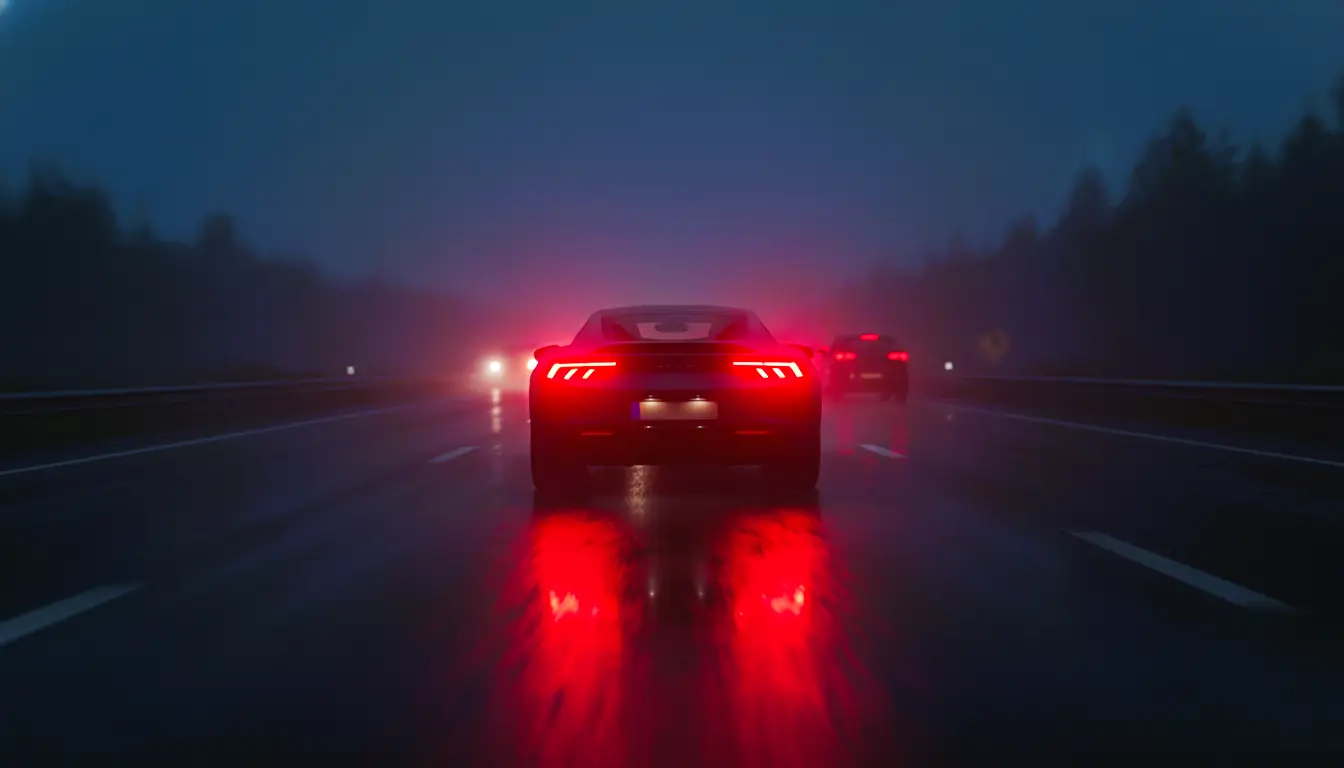
Tail lights help other drivers notice you faster. If you’ve ever driven at night and caught yourself squinting because the car in front of you had barely visible rear illumination, you already know how important these little red heroes truly are. People usually discuss engines, horsepower, turbochargers, or high-end infotainment upgrades. But the humble rear signaling system? It’s the unsung guardian that quietly keeps everyone safe on the road.
And here’s the funny part: most drivers don’t even think about them until something goes wrong. One day, your car appears to be in perfect working order. Then suddenly, a stranger behind you flashes their high beams like they’re sending a secret Morse code message.

Before we get into the technical details, types, upgrades, and all the advanced stuff, it’s important to understand the basics: what they are, how they work, and why your vehicle would be completely unsafe without them. And trust me, once you understand how much they contribute to road safety, you’ll never ignore that dashboard warning again.
What Tail Lights Actually Are
At their core, these components are mounted at the back of every vehicle and activate automatically whenever you turn on your headlights or drive in low-visibility conditions. Their main purpose? To let other drivers know where you are, how far away you are, and which direction your vehicle is moving in the dark.
They’re not bright like brake systems, which light up intensely when you slow down. The glow stays soft. It looks steady and consistent. It gives other drivers a clear view of where you are without causing any glare. Think of them as your vehicle’s calm, polite announcement to the world: “Hey, I’m here. Please don’t bump into me.”
Every modern vehicle has them built into the rear housing alongside indicators, reverse illumination, and sometimes even fog units. But despite being packaged together, each part has its own job, and the red rear glow plays one of the most crucial roles.
Why Tail Lights Matter More Than Most People Realize
Let’s be honest. Most drivers don’t walk around their car to check whether all the rear functions are working, unless they have recently failed a vehicle inspection. But these components do more than glow in the dark. They directly influence:
Tail Lights Visibility During Night Driving
Without a working rear signal, someone approaching from behind wouldn’t know you exist until they’re too close. That is how many avoidable accidents happen. It is even more common on highways where cars run at higher speeds.
Safety in Bad Weather Tail Lights
Fog, heavy rain, and dust storms can drastically reduce visibility. A functioning rear glow cuts through the haze just enough for other drivers to judge your position and maintain a safe distance.
Communication on the Road
Driving is basically silent communication. You use turn signals, the brake system, and your rear illumination to send messages to others. When one of these fails, your vehicle becomes much harder to read.
Legal Requirements
In many regions, it’s illegal to drive without functioning rear illumination. Authorities treat it seriously because poor visibility contributes to thousands of nighttime accidents each year.
The Problem Most Drivers Don’t Notice (But Should)
A big issue with tail assemblies is that you can’t see them while driving. If your headlight goes out, you will notice it right away. The road in front of you suddenly looks dark. But when the rear illumination fails, you’ll keep driving as if nothing happened. That’s why so many people unknowingly travel with a malfunctioning setup.
And here’s a small but common scenario: someone taps your bumper during parking, the housing cracks slightly, water sneaks inside, and the electrical connection starts corroding. The glow becomes weak, flickers, or dies completely. You won’t realize it, but every driver behind you definitely will.
Why This Guide Matters
This complete guide will help you understand different types, proper maintenance, common issues, upgrade options, and which modern solutions are worth using. Whether you want something brighter, longer-lasting, more stylish, or better for safety, you’ll find everything you need in the next sections.
The Real Functions of Tail Lights
I used to think the rear glow on my car was just another basic feature. But the more I learned, the more I realized these small lights handle half the communication on the road.
It’s almost funny how something so simple can have such a big effect on safety. I mean, my car’s engine roars, tires grip the road, brakes work hard… and meanwhile, two small red panels at the back are like, “Don’t worry, buddy. We’ve got the nighttime visibility covered.” Let me break down how they actually contribute to safe driving, because once you understand it, you’ll never think of them as ordinary again.
- They Help People See Where My Car Is — They show width, distance, and position. That subtle glow makes the difference between smooth driving and someone mistaking my car for a shadow.
- They Support Safe Night Driving — Tail lights glow steadily, making me visible even from far away.
- They Work With Other Signals — Brake lights, turn indicators, reverse lights, and tail lights together communicate intentions clearly to other drivers.
- They Improve Safety in Bad Weather — The red glow cuts through rain, fog, dust, snow, and low-light conditions.
- They’re Required by Law — Malfunctioning tail lights can lead to fines and accidents.
- They Reduce Rear-End Collisions — Properly functioning tail lights help drivers judge distance, preventing minor fender-benders.
Types of Tail Lights
I’ve always found it interesting how something as simple as the glow on the back of my car has evolved so much over the years. These days, the rear assembly feels like it’s been through its own technological glow-up. It started with simple bulbs that just “did their job,” and now we’ve got advanced systems that respond faster than I do when someone honks at me. Here’s how the different versions stack up — and how each one changes the driving experience.
The Classic Incandescent Setup (The OG of Rear Lighting)
I feel a bit nostalgic talking about this type because it reminds me of older cars I grew up around. These systems use traditional glass bulbs that rely on heated filaments. They’re simple, familiar, and easy to replace.
But here’s the thing:
They’re not exactly the most efficient. They run warm, they burn out faster, and they don’t provide the sharp brightness that modern setups offer. Still, they get the job done, and many older models still use them. If I ever need a quick and low-cost fix, this style is very easy to use. It needs no tools. It has no fuss. And I never worry about whether I installed it the right way.
LED Rear Systems (Where Efficiency Meets Style)
Now we’re talking about the glow that makes cars look sleek at night. LED setups have become my personal favorite for a few reasons:
- They shine brighter
- They last longer
- They use less energy
- They respond faster
- And yes, they look cooler
There’s something about the crisp illumination of LEDs that just feels modern. The instant response time also improves safety. That split-second advantage can make a big difference. It helps a lot when the driver behind me is speeding or not paying attention. Designers love using this tech because it’s flexible. You’ll see them in thin strips, unique shapes, and eye-catching patterns. My car doesn’t need to look like a spaceship, but I’m not complaining when a clean LED design makes it look like I put extra thought into my ride.
Sequential Rear Signals (Because My Car Likes to Show Off Sometimes)
If you’ve ever seen indicators that “move” from one side to the other, that’s a sequential setup. They light up in a sweeping pattern that gives the car a more high-end look. They’re not just pretty, either. The motion draws attention faster, which means the driver behind me is more likely to notice my turn. If I had a dollar for every time someone ignored my blinker, I’d probably have enough to buy a fancier LED kit by now. Sequential signals help fix that problem.
Adaptive Rear Lighting (Smart Tech That Actually Helps)
This is where things get interesting. Adaptive systems adjust brightness based on my surroundings. The car uses sensors to read traffic conditions and respond accordingly.
For example:
- If I’m driving through a dark road, the glow may increase.
- If the car behind me is too close, the system enhances its contrast.
- And when I step on the brake hard, everything lights up more urgently.
It feels like my car is looking out for me. It even seems to make smarter choices than some drivers on the road. This version is now common in many mid-range and high-end cars. And honestly, I understand why. The added safety is noticeable, especially during long drives or inconsistent weather.
Fiber Optic Designs (Sleek, Smooth, and Very Premium)
Some automakers love this style because it creates clean, continuous strips of red light. Instead of individual points glowing, fiber optics creates smooth lines that look futuristic. They’re less common, but when I see them on the road, I can’t help but admire how polished they look. If you love design as much as function, this style is probably your thing.
Trailer Tail Light Assemblies (Built for Tougher Conditions)
If you’ve ever dealt with towing, you already know that trailers need their own complete rear assembly. They’re designed to handle vibration, outdoor exposure, and uneven roads.
These often come in:
- LED versions
- Waterproof housings
- Shock-resistant frames
Some even come with built-in reflectors. They are practical and very durable. This is important because trailers get no sympathy on the road. They get splashed, bumped, and shaken all the time. I’ll dive deeper into this later, but let’s just say trailer setups deserve more respect than they usually get.
Hybrid Systems (Mixing Old and New Tech)
Some manufacturers blend traditional bulbs with LED sections. You might see:
- LED brake illumination
- Standard bulbs for turn signals
- LED strips for design accents
This combo allows brands to upgrade performance without changing the entire electrical architecture. It’s not the most glamorous solution, but it works, and I’ve driven cars with this setup that performed surprisingly well.
Tail Light Bulbs, Trailer Assemblies, and Upgrades: What I Actually Use and Why
I’ve replaced enough rear bulb setups in my life to admit something: I used to choose whatever was cheap, available, and didn’t require me to make a second trip to the store. But over time, I realized not all options are equal. Some last longer, some shine better, and some save me from looking like I’m driving around with one sad red dot at night.
This part of the guide is where I break down the different upgrade paths I’ve tried — from basic replacements to fancy LED kits that feel like mini technology projects.
-
Regular Bulbs: Simple but Short-Lived
If you’ve ever pulled a glass bulb from the rear assembly, you already know how basic they are. They warm up, glow, and eventually burn out right when you’re running late and don’t have time for car maintenance.
A few reasons I still consider them:
- They’re cheap
- They’re easy to replace
- They fit older models without extra wiring
- They don’t need adapters or converters
The downside? They don’t last long. And compared to newer tech, their brightness isn’t impressive. Still, if I need a quick fix that won’t hurt my wallet, this type stays in the rotation.
-
LED Bulbs: My Go-To for Brighter, Cleaner Light
I used to think LEDs were only a cosmetic upgrade. I thought people used them just to make their cars look modern. But once I tried them, I understood the hype.
Why I prefer them:
- They shine brighter, so I’m easier to see
- They stay cool
- They last far longer than regular bulbs
- They activate instantly
- They don’t wear out from vibration
LEDs also offer sharper visibility, which is noticeable when someone is following me at night. If my brake section lights up even a split second faster, that’s more reaction time for the driver behind me.
The only thing I check twice is compatibility. Some older cars need a resistor to stop hyper flashing or warning messages. It is not complicated. It is just one small extra step.
-
Trailer Tail Light Assemblies: Built for the Tough Stuff
If you’ve ever driven with a trailer, you already know things get real fast. Trailers bounce, vibrate, drag through mud, splash through water, and collect dust like it’s a hobby. That’s why trailer setups demand tougher equipment.
Most good assemblies offer:
- Full waterproof sealing
- Shatter-resistant lenses
- Strong housings
- LED options with long life
- Reflective sides for added visibility
When I’m towing something important, the last thing I want is for one side of the trailer to go dark halfway through the highway. LED trailer kits solve most of those problems because they handle impact and moisture far better than regular bulbs. I’ve also learned to do a quick wiring check before any trip — a loose ground wire can make the whole setup flicker like it’s trying to send Morse code.
-
Why I Sometimes Choose Auxito LED Bulbs
I don’t like promoting products randomly, but I’ve used Auxito before, and they’ve held up well. They’re bright, energy-efficient, and easy to install in most sockets.
From my experience:
- Their brightness improves visibility
- Their build quality feels solid
- Their designs usually fit without modification
- They offer good value for the price
Are they the only good option out there? Of course not. But they’re reliable enough for me to keep using them when I need fresh rear bulbs, or I’m helping a friend upgrade their setup.
5. When I Consider Upgrading Headlights as Well
Sometimes I upgrade both the rear bulbs and the front ones around the same time. Part of that comes from habit, and part of it comes from wanting consistent lighting across the whole vehicle.
Some drivers pair LED rear assemblies with LED options in the front to keep everything uniform. For example, if I switch my back end to LED, I often check whether my front bulbs match in clarity and brightness. Balanced lighting looks cleaner. It also helps with visibility. This matters a lot in dark areas where every bit of light makes a difference.
6. My General Rule of Thumb for Choosing New Bulbs
After a few years of switching between different options, I’ve created my own little checklist:
- If I want the easiest replacement → go with regular bulbs
- If I want brighter, longer-lasting light → choose LED
- If I’m towing → install sealed trailer assemblies
- If I want better consistency → upgrade the front and back together
- If compatibility is unclear → check the socket size twice
- If it’s raining or dusty where I live → go LED for the weather advantage
It’s not a complicated system, but it helps me avoid last-minute frustration.
Why Tail-Specific LEDs Matter
I’ve talked a lot about bulbs and trailer assemblies, but let’s get real for a minute: not every bright, fancy lighting solution belongs at the back. Some people think that if it works in one place, it will work everywhere. That is not always true.
Take the H11 LED headlight bulb, for example. These things shine like a spotlight and are designed to throw light far ahead. They’re amazing for seeing the road, spotting deer at night, or avoiding potholes. But stick one in a tail housing? You’ll immediately see why it’s a bad idea. The shape doesn’t fit, the intensity is overkill, and the wiring doesn’t match. I have tried explaining this to friends. They usually look at me like I am overthinking it. But after a failed experiment, they usually agree.
Why I Stick to Tail-Specific LED Bulbs
After replacing dozens of bulbs over the years, I’ve learned a few things:
- Compatibility is key – Not every LED is universal. Even within the same car model, small differences can matter. I always double-check socket size and voltage.
- Brightness balance matters – Tail-specific LEDs shine bright enough to be seen without blinding other drivers. That’s something a headlight bulb can’t manage safely.
- Durability counts – Tail assemblies are often exposed to rain, dust, and vibration. Auxito LEDs have performed well in my experience because their construction handles those conditions reliably.
For me, the choice is clear: if it’s designed for the rear, it belongs in the rear.
My Personal Take on Reliability
One thing I value more than gimmicks is longevity. I’ve had bulbs that dimmed after a few months, housings that cracked after a single rainstorm, and assemblies that leaked like a sieve. Those experiences taught me that a durable product matters far more than flashy designs.
Auxito LEDs strike a good balance. They’re not overpriced, they last longer than conventional bulbs, and installation is simple. If you’re considering an upgrade but want something practical, they’re a solid choice.
Lighting Consistency Across the Car
I also pay attention to the overall visual balance. A mismatch between the front and rear can look awkward, and it can affect how others perceive my car at night. I prefer setups where the rear and front illumination complement each other:
- Brighter rear markers help other drivers gauge distance.
- Consistent color tone keeps signaling predictability.
- Instant response from LEDs ensures split-second visibility.
Matching my upgrades makes driving feel safer — and honestly, I just like the way it looks.
The Importance of Color and Visibility
Red is the standard for rear illumination, and for good reason: the human eye picks it up easily in low-light situations. A weak or uneven red glow can reduce reaction time for the driver behind me. That’s why I rarely compromise on brightness or color consistency.
For trailers, I go a step further: reflective surfaces, LED strips, and waterproof housings. All these small details add seconds of reaction time in case of emergency braking or poor weather.
When I Consider Full Assembly Upgrades
Sometimes it’s not just about bulbs. If the housing is cracked, faded, or fogged up, I consider replacing the entire rear assembly. Modern LED housings often include:
- Integrated brake lights
- Turn signals with clear sequencing
- Even adaptive light features are on higher-end models
Replacing a full unit can feel like overkill, but for me, it saves ongoing maintenance headaches. I know I won’t have to deal with inconsistent brightness or faulty wiring again for years.
Trailer-Specific LEDs vs Car Rear LEDs
It’s worth mentioning that trailer rear lighting is slightly different. While the principles are the same, trailer units need extra toughness. I’ve used:
- Sealed LED modules
- Shock-resistant frames
- Reflective sides for extra visibility
This approach ensures that my trailer isn’t just “visible” — it’s reliably noticeable in all conditions.
Tail Light Maintenance, Troubleshooting, and Replacement Tips
Let’s get real: lights don’t maintain themselves. I’ve learned over the years that neglecting them leads to sudden failures, weird flickering, or worse, an embarrassing encounter with a traffic officer. Here’s how I handle maintenance and troubleshooting without turning it into a full-blown project.
- Cleaning the Lens: The Simple Step I Never Skip
I’ve noticed that even a new bulb can appear dim if the lens is dirty. Dust, rain residue, and small insects tend to accumulate in a way that reduces brightness.
My routine is simple:
- Use mild soap and warm water
- Wipe with a soft microfiber cloth
- Dry thoroughly to prevent streaks
I avoid harsh chemicals because they can cloud the plastic or damage the seal. Spending five minutes on this every few weeks has saved me from driving around with dull rear visibility.
- Inspecting the Wiring and Connections
Loose connections are the silent villains. A flickering glow or intermittent brake light is usually not the bulb — it’s the wire.
When I inspect:
- I check for corrosion at contact points
- Make sure the connectors are tight
- Look for frayed wires or exposed copper
I also jiggle the assembly gently to see if movement triggers flickering. If it does, I know I need to reseat the connectors. Doing this prevents that “Why is my rear glow acting up now?” panic moment.
- Checking Brake, Indicator, and Reverse Functions
I treat the rear system as one unit. It’s not enough that the tail marker glows; I also verify:
- Brake lights light up brightly when pressed
- Indicators blink at correct intervals
- The reverse lights function when the gear is engaged
I step back and watch the response from another reflective surface or ask a friend to check. I’ve learned that catching problems early avoids bigger fixes later.
- LED and Adaptive Systems: Extra Care Needed
Even though LEDs last longer than traditional bulbs, I still check for:
- Cracks or moisture in the housing
- Any dimming spots along the strip
- Odd flickering patterns
Adaptive rear systems, while clever, rely on sensors and electronics. I sometimes check the manual for updates or firmware changes. Yes, some systems actually have firmware. A quick check every few months keeps the lights performing at their peak.
- Troubleshooting Common Issues
Here’s a short list of problems I’ve run into and how I solved them:
| Problem | Likely Cause | My Fix |
| One tail marker is not lighting up | Burnt bulb | Replace with the correct type |
| Flickering lights | Loose wire/ground | Tighten connectors and clean corrosion |
| Dim illumination | Dirty lens or aging bulb | Clean lens or switch to LED |
| Trailer lights not working | Improper grounding or plug | Check wiring harness and connectors |
| Moisture inside the housing | Cracked seal | Dry housing and reseal with silicone |
This table saves me from guessing and wasting time.
- Replacement Tips I Swear By
When it’s time to replace bulbs or assemblies:
- Always turn off the car and remove keys — safety first.
- Use gloves or a cloth to handle bulbs. Oils from fingers can shorten lifespan.
- Match the bulb type exactly (LED vs incandescent, voltage, socket type).
- Check orientation — some LEDs are directional.
- Test before reassembling completely — ensures everything works.
These steps may seem obvious, but I’ve learned the hard way that skipping any of them leads to frustration.
- DIY vs Professional Help
I handle simple bulb changes and lens cleaning myself. However, for adaptive systems, cracked housings, or trailer assemblies with complex wiring, I call a professional. Trying to force a solution usually costs more in time, money, and headaches than letting someone trained handle it.
- Routine Maintenance Schedule
For me, it’s simple:
- Weekly glance: Check brightness and lenses
- Monthly cleaning: Wipe lenses and check connections
- Every 6–12 months: Inspect full assembly, replace bulbs if needed
- Before trips: Quick test of all functions (especially if towing a trailer)
Keeping this small schedule means my rear lighting always performs reliably.
Common Mistakes, Upgrade Pitfalls, and Pro Tips
Over the years, I’ve seen (and made) more mistakes with rear lighting than I care to admit. Some are minor, others… well, let’s just say my car could’ve used a little more glow back then. Here’s a list of the most common missteps and how I avoid them now.
- Ignoring Tail Lights Until It’s Too Late
This one is classic. I used to think, “If it’s working, I don’t need to check it.” But one rainy night, a glance in the rearview mirror made me realize one side of my rear glow was barely visible.
Lesson learned: a five-second visual inspection is all it takes to prevent tickets or, worse, accidents. I also keep spare bulbs in the glove compartment for emergencies.
- Overlooking Lens Cleaning
I’ve caught myself assuming “if the bulb is new, it’s bright enough.” That’s not always true. A dirty lens can reduce visibility dramatically. After a few months, the dust, water spots, and road grime accumulate.
I now clean mine monthly, it’s quick, and I can actually see the difference in brightness. A polished lens makes even older bulbs perform better.
- Mismatched Upgrades
Some friends tried to swap bulbs without checking compatibility. LED brake lights in one section, incandescent tail markers in another — you can imagine the uneven glow.
From my experience:
- Stick to one type of technology in the same assembly
- Ensure voltage and connector match
- For trailers, use dedicated assemblies that handle vibration and moisture
Consistency matters more than you think. Mixed upgrades can cause flickering or short circuits.
- Forgetting Trailer Lighting
If you tow a trailer, don’t assume the car’s rear lights handle everything. Trailer assemblies need their own glow. I once forgot to check the harness before a trip. Yes, someone behind me almost hit my trailer because one side was not working. Now, I always inspect trailer connections and verify all lights are functioning before every trip.
- Not Checking Brake, Indicator, and Reverse Functions Together
One of the biggest oversights is focusing on tail markers only and forgetting the rest. Brake lights, turn signals, and reverse lights all need proper coordination. I always test all functions from a reflective surface or ask a friend to observe. It prevents the “Why isn’t anyone seeing me?” scenario.
- Ignoring Upgrades That Improve Safety
Some drivers avoid LED or adaptive options, thinking they’re unnecessary. I was skeptical at first, too. After seeing how clear, fast, and bright these systems are, I see them as essential upgrades. They help a lot when I drive at night or in bad weather.
If you want more on choosing the right LED or headlight option, you can check out my article on H11 LED bulbs for more guidance.
- Overlooking Internal Resources and Guides
I’ve found that reading well-written guides saves time and prevents mistakes. For example:
- Tail Light vs Brake Light → Understanding the difference avoids confusion: tail light vs brake light
- Fog Lights → Helps in rainy or foggy conditions: fog lights
Using these internal references helps me make informed upgrades and avoid unnecessary trial-and-error. Trust me — it saves both time and frustration.
- My Pro Tips for Anyone Upgrading or Maintaining Rear Lighting
- Check compatibility first — Always verify bulb type and voltage.
- Prioritize durability — LED and adaptive units handle vibration and weather better.
- Clean lenses regularly — Dirt and water spots reduce brightness significantly.
- Test functions together — Brake, reverse, indicator, and tail lights.
- Keep spares handy — A burnt-out bulb on a rainy night is no fun.
- Upgrade smartly — Consistency in brightness and type matters more than style alone.
Following these tips keeps my vehicle’s rear assembly performing reliably, reduces maintenance headaches, and ensures I’m visible under all conditions.
Final Thoughts: Keeping My Tail Lights Bright and Reliable
After going through everything from basic bulbs to full LED and adaptive upgrades, I’ve realized that tail lights aren’t just small red panels at the back of my car. They’re essential safety tools, subtle communicators, and yes, sometimes even a style statement — all without needing a flashy logo or exhaust note to brag about.
Maintaining them isn’t complicated, but it requires attention. Over the years, I’ve learned that a few small routines save a lot of headaches.
1. Routine Maintenance Makes All the Difference
I’ve developed a simple schedule to ensure my rear system works optimally:
- Weekly glance — A quick look in the mirror to confirm brightness
- Monthly cleaning — Wipe lenses and check for grime
- Quarterly inspection — Test brake, turn, reverse, and tail lights
- Pre-trip check — Especially before towing a trailer
These habits might sound minor, but they prevent a lot of potential failures. And if anything seems off, I fix it immediately rather than letting it get worse.
2. Upgrade Wisely, Not Just for Style
While LEDs, adaptive systems, and sequential designs are eye-catching, the real value is in performance. Here’s how I decide what to install:
- Purpose first — Will it improve visibility and safety?
- Compatibility second — Check socket type, voltage, and fit.
- Durability third — Look for weather resistance, solid housing, and vibration protection.
- Optional style factor — Only after the first three are satisfied
I’ve seen too many drivers install fancy bulbs or housings without considering function. A flashy glow is nice, but consistent visibility is priceless.
3. Trailer Lighting Needs Extra Attention
If you tow, treat your trailer’s rear assembly like it’s part of your car. Trailer tail lights face harsh conditions, so I always choose LED or sealed units with reflectors.
A small check before each trip — plug in, walk around, inspect — keeps everything working and keeps me confident that other drivers can see me.
Smarter Decisions
To make informed choices, I often refer to internal resources on my blog:
- Tail Light vs Brake Light → Helps understand signal functions: tail light vs brake light
- H11 LED Bulb → Guides on choosing proper LED headlights: H11 LED bulb
- Fog Lights → Useful for low-visibility weather: fog lights
Using these resources has saved me from trial-and-error mistakes multiple times.
My Bottom Line on Tail Lights
Here’s what I’ve learned from experience:
- Function over fashion — visibility first
- Regular maintenance keeps bulbs and assemblies reliable
- LEDs and adaptive systems are worth the investment for safety
- Trailer lighting deserves just as much attention as your car
- Internal guides and simple routines save time, money, and stress
Tail lights may seem small and simple, but they play a critical role in keeping me and everyone else on the road safe. Ignoring them is a mistake I no longer make.
A Small Dose of Humor (Because I Can’t Resist)
I like to joke that my taillights are my car’s “rear personality.” They quietly announce my presence, signal my intentions, and make sure nobody mistakes me for a ghost car in the night. Unlike the horn, which tends to shout at everyone, these lights are polite, reliable, and never passive-aggressive. It is funny that something so small can get so much attention. After years of driving, I cannot imagine being without them.
Final Advice for Every Driver
- Don’t wait until failure — check your rear system regularly
- Upgrade smartly — safety first, style second
- Respect trailer lighting — it’s not optional
- Keep spare bulbs handy — emergencies happen
- Learn from guides — they save you frustration
If you follow these tips, you’ll be confident that your car’s rear lights are performing at their best. And yes, you’ll also avoid that awkward flashing from impatient drivers behind you.