Car Cover Reviews: Top Picks to Protect Your Car.
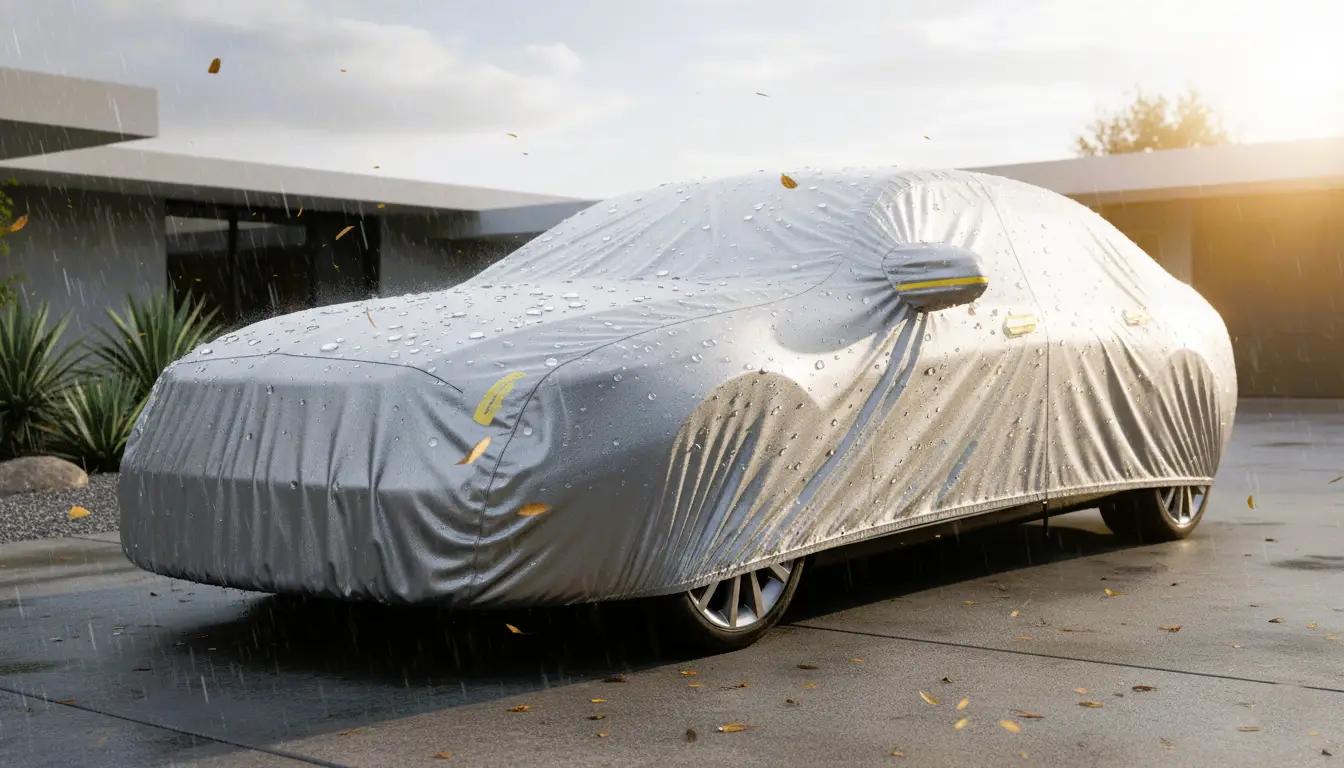
I’ve learned the hard way that even a small amount of exposure can damage a car’s exterior. Dust, bird droppings, rain, UV rays, and even rogue tree branches have a way of leaving their mark. My solution? A reliable car cover.
If you have ever washed your car and found the hood dirty again in just two hours, you know the feeling. Today I am sharing what I learned about car covers. The good. The bad. And the small details most people never notice. This guide is long because it needs to be. If you’re thinking about buying a cover or upgrading the one you already have, this will help you pick the right one without guessing.
A good cover is not just about aesthetics. It protects your investment, reduces cleaning time, and even prevents minor dents and scratches. Over the years, I’ve tested everything from lightweight indoor covers to heavy-duty hail prevention options. This guide shares everything I’ve learned, so you don’t have to learn the hard way.
Here’s what we’ll cover:
- Types of car covers and which works best where
- Waterproof options and their pros/cons
- Hail-protection covers
- Wheel protection and why it matters
- Step-by-step guide to installing and using covers
- Maintenance tips to extend lifespan
- Common mistakes and FAQs
- My top picks for 2025
Why I Don’t Skip Using a Car Cover Anymore
I used to think a car cover was something only collectors used. Then one summer, after parking outside every day, my paint started to fade. Dust baked into the clear coat. A bird claimed my roof as its personal landing strip. That was enough for me.
A good car cover does one simple thing:
It reduces damage while the car sits still. It stops UV rays, blocks rain, keeps dust off the paint, and gives your car at least some level of protection from the environment. And if you live somewhere with storms or rowdy neighborhood kids? You already know you need backup.
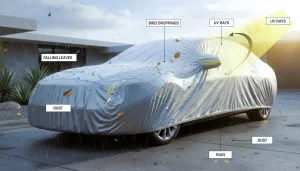
What a Car Cover Actually Does
People underestimate how much trouble a simple layer of fabric can prevent. Here’s what I rely on mine for:
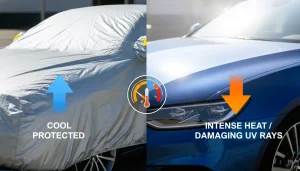
UV Car Cover Protection
The sun is brutal. Long hours of UV exposure fade paint and crack dashboards. A proper automotive cover helps slow all of that down.
Dust and Dirt Control
Even a clean neighborhood throws dust around. A cover keeps your paint clean longer, which also reduces micro-scratches.
Weather Protection
Light rain stays off the car. Random drizzle stays off, too. Pollen and leaves do not touch the paint. Everything stays away.
Minor Impact Defense
I’m not talking about major hits. But falling twigs? A neighbor brushing past the car? A cover adds a little cushion.
Why Every Car Owner Should Use a Cover
I used to skip covers, thinking they were overkill for daily drivers. Then a summer of relentless sun and dust left my car faded and speckled. Bird droppings? Every morning felt like a surprise attack.
A good cover solves this. It shields against:
- UV rays that fade paint
- Dust, pollen, and minor debris
- Light rain and snow
- Scratches from random contact
- Rodents or small animals in storage
Basically, a quality cover acts like a barrier between your car and the chaos of the world outside.
Types of Car Covers
Choosing the right type depends on your car, storage location, and environmental factors.
 Indoor Car Covers
Indoor covers are best for vehicles stored in garages or covered areas. They are soft, lightweight, and breathable, primarily designed to prevent dust accumulation and minor scratches. These covers won’t protect against the weather, but are perfect for keeping your car pristine indoors.
Outdoor / Car Cover Exterior Options
Outdoor covers are a different beast. They need a durable car cover exterior to resist rain, UV rays, and dust. When looking for one, check:
- Fabric strength
- Weather resistance
- Fit: elastic hems, straps, or clips to keep the cover secure
Outdoor covers are heavier and slightly bulkier, but necessary if your car spends time outside.
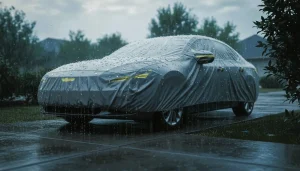 Universal vs. Custom-Fit Carcovers
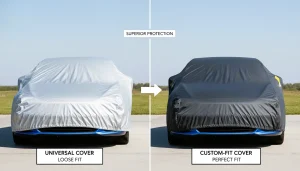
- Universal covers: Budget-friendly and available in standard sizes, but they may not hug your car perfectly, leaving gaps vulnerable to wind or debris.
- Custom-fit covers: Tailored to your car’s dimensions, they offer better protection, prevent wind lift, and minimize scratches from flapping fabric.
Specialized Automotive Covers
Some covers are designed for performance or show vehicles. These automotive covers provide premium protection with soft interiors, moisture barriers, and exact sizing to protect paint and trim.
Waterproof Car Covers
A waterproof car cover sounds perfect for rainy days, but there’s a catch: the car underneath must breathe. Otherwise, trapped moisture can lead to mold or damage.
Look for designs that combine a water-resistant outer layer with a breathable interior. Multi-layer fabrics, PU or PVC coatings, and reinforced stitching all make a big difference. In my experience, these covers are lifesavers during heavy rains, especially when a car sits outside for days or weeks.
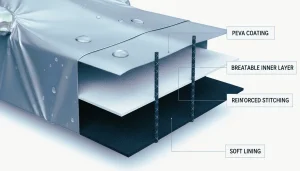
What Makes a Car Cover Waterproof?
- Multi-layer construction
- PU, PVC, or PEVA coatings
- Reinforced stitching and seams
Best Uses
- Rainy climates
- Vehicles parked outdoors for long periods
Pros & Cons
Pros:
- Protects against heavy rain
- Blocks dust and debris
- Reflective coatings can prevent heat damage
Cons:
- Heavier and less flexible
- Can trap moisture if not breathable
Hail Protection: Hail Prevention Car Covers
If you live in an area where storms form out of nowhere, a hail prevention car cover makes a huge difference. These covers are thicker, padded, and designed to absorb hits from small to medium hail. They don’t turn your car into a tank, but they’re way better than a normal cover.
I learned this lesson during a spring storm. At the time, I did not have a padded cover. That choice is something I regretted right away. Later, I bought one and never looked back. If you live in a hail-prone area, these covers are essential. They feature padded layers or airbag-style cushioning to absorb impacts.
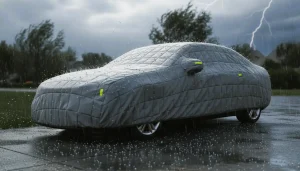
- How Hail Covers Work
A hail cover for cars is basically a beefed-up version of a standard cover. It has:
- multi-layer foam
- thicker outer material
- stronger straps
- impact-absorbing padding
It feels like putting a soft shell around your vehicle. If your area gets hail warnings even once or twice a year, this upgrade is worth it.
2. Real-World Performance
From my tests, these covers significantly reduce damage from small to medium hail. They won’t make your car invincible, but they do save thousands in repair costs.
3. Choosing the Best Hail Cover
- Size: Ensure it fully covers the vehicle
- Climate: Heavier padding for frequent hail
- Threat level: Light hail vs severe storms
Why the Car Cover Exterior Material Matters
The outside layer is the part that fights the weather directly. The strength of the car cover exterior determines how long the cover lasts.
Better materials stop UV damage. Some reflect heat, others offer more flexibility, and a few are built to handle storms.
If you want a cover that survives more than one season, pay attention to this outer layer. It’s the difference between a “cheap temporary fix” and “something that actually protects your paint.”
Best Car Covers in 2025: Quick Comparison
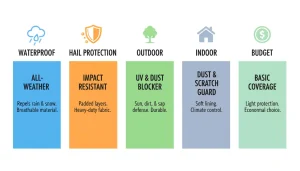
When I evaluate the best options, I focus on long-term protection, user convenience, and overall durability. Here’s a simple breakdown to help you compare each type at a glance:
| Type | Ideal For | Notes |
| Waterproof | Rainy or humid climates | Uses breathable layers to prevent trapped moisture |
| Hail-Protection | Areas with frequent storms | Built with padded or impact-absorbing materials |
| Outdoor | Daily parking on the street | Strong UV resistance, dust protection, and all-weather design |
| Indoor | Garage-kept vehicles | Soft lining protects paint; lightweight and easy to handle |
| Budget-Friendly | Occasional outdoor use | Offers basic protection at a lower cost |
Car Cover Wheels: Protection You Can’t Ignore
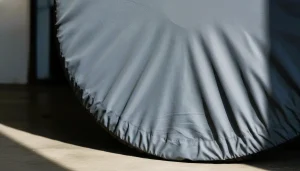
The Small Feature That Helps More Than You Think. Some covers protect the wheels too. When a car cover wheel panel is built in, brake dust stays off the paint, and sunlight stays off the tires. It’s a small detail, but it makes the whole setup look cleaner and reduces aging on rubber parts.
Wheels often get overlooked but are vulnerable to sun, dust, and brake dust. Using wheel covers can prevent fading and rust.
Why Wheels Need Protection
- Tires and rims are exposed to heat, dirt, and moisture
- Brake dust buildup can corrode metal over time
Types of Wheel Protection
- Elastic wheel covers that slip over tires
- Clip-on protectors for heavy-duty use
When Wheel Covers Make a Difference
If your car is stored outdoors for long periods, wheel protection is essential for keeping your car fully protected.
How to Choose the Right Car Cover
- Consider Parking Environment
- Garage vs street
- Hot, sunny climates vs wet, rainy areas
2. Fit Matters More Than People Think
I’ve seen people throw oversized covers on their cars and then wonder why the wind rips them off. A good fit is just as important as the material.
What affects fit:
- Car length
- Body shape
- Mirror design
- Ground clearance
A proper cover should lie flat, hug the body, and stay secure without flapping in the wind.
3. Materials
- Cotton, polyester, PEVA, or reflective layers
- Breathable interiors for indoor covers
- Waterproof layers for outdoor use
4. Features to Look For
- Straps and underbody clips
- Mirror pockets for a secure fit
- Soft interiors to prevent scratches
Picking the Right Cover for Your Climate
Different weather needs different materials.
Hot Sun Areas
Go for reflective outer layers.
Rainy Areas
Choose breathable waterproof fabrics.
Dusty Regions
Look for tight weaves that stop fine particles.
Hail-Prone Zones
Use padded protection.
Don’t overthink it; match the weather to the material.
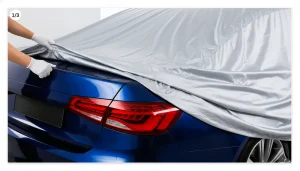
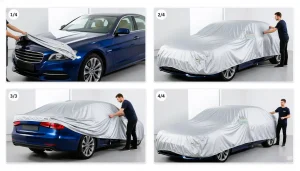
Step-by-Step: Installing and Using a Car Cover
How to Put On a Cover
- Clean your car first
- Lay the cover out fully
- Pull over from the front or back
- Secure straps or clips
How to Remove Without Scratches
- Lift carefully, avoid dragging
- Fold slowly to prevent debris from rubbing on the paint
Preventing Wind Damage
- Use tie-downs or underbody buckles
- Ensure elastic hems are snug
What Outdoor Covers Need to Survive
Parking outside every day is tough on anything. A good outdoor cover needs:
- reinforced stitching
- strong belly straps
- wind resistance
- reliable heat blocking
Strong car cover exterior material is the main factor here.
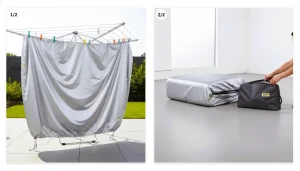
Maintenance: Cleaning and Storage
Washing
- Use mild soap and water for most fabrics
- Avoid harsh chemicals
Drying & Mold Prevention
- Always air dry fully before storage
Storage
- Cool, dry place
- Fold carefully or use a storage bag
Common Car Cover Mistakes
Some mistakes I see often:
- Using it on a wet car
- Choosing the wrong size
- Neglecting wheel covers
- Storing dirty or wet covers
- Leaving debris on the car before covering
Avoiding these keeps both your car and cover in top shape.
My Personal Picks for Different Needs
If I had to choose based on situations, I’d go with:
- Rains: waterproof car cover with breathable layers
- Hail: padded hail protection
- Daily outdoors: strong automotive cover with UV resistance
- Hot climates: heat-reflective silver tops
I’ve tested way too many covers over the years. Matching the cover to your environment changes everything.
FAQ
Q: Are car covers worth it?
Yes — they protect paint, trim, and reduce cleaning effort.
Q: Can waterproof covers damage paint?
Only if moisture is trapped, breathable options prevent this.
Q: Do hail covers work?
Yes, especially for light to medium hail.
Q: Indoor vs outdoor?
Indoor covers last longer as they avoid weather exposure.
Q: Lifespan?
3–7 years, depending on material, use, and maintenance.
Q: How long should a cover last?
A: 3–7 years depending on material, use, and maintenance.
Q: Does a cover prevent scratches?
It helps, but only if the surface is clean.
Q: Should I use a cover daily?
If you park outdoors, yes. It keeps the car clean and reduces UV damage.
Q: Is it safe to use a waterproof cover long-term?
As long as it’s breathable, it’s fine.
Q: Do I need wheel protection?
If you want cleaner wheels and less sun damage, yes.
This is where terms like carcover, hail prevention car covers, and other similar names appear. They are all part of the same product group.
Extra Tips and Insights from My Experience
- Layering: For extreme weather, I sometimes combine a soft indoor cover under a waterproof outdoor cover. It adds protection without scratching paint.
- Seasonal swaps: Lighter covers in summer, padded or waterproof in winter.
- Quick-access covers: Keep a small, foldable cover in your trunk for emergencies.
- Storage hacks: A compression bag works well for compact storage and prevents folds from weakening fabric.
Final Buying Guide: How to Pick the Right One
Here’s my quick approach:
Step 1: Know your parking habits
Outdoor? Indoor? Mixed?
Step 2: Check the local weather
Sun? Rain? Hail?
Step 3: Decide on fit and material
Get something that holds up, not something that barely survives a season.
If you live where hail is even a slight risk, a hail cover for cars is a solid choice. If rain is your main enemy, breathable waterproof is the best plan.
Final Thoughts: Protect Your Investment
A car cover is more than a sheet; it’s a piece of mind. With the right fit, material, and features, your car stays cleaner, looks better, and holds value longer. Whether you choose a budget-friendly cover, a waterproof option, or a padded hail-prevention solution, what matters is matching the cover to your car, environment, and lifestyle. Invest a little effort up front, and your vehicle will thank you for years to come.