
Picture Frame for Displaying Cherished Memories
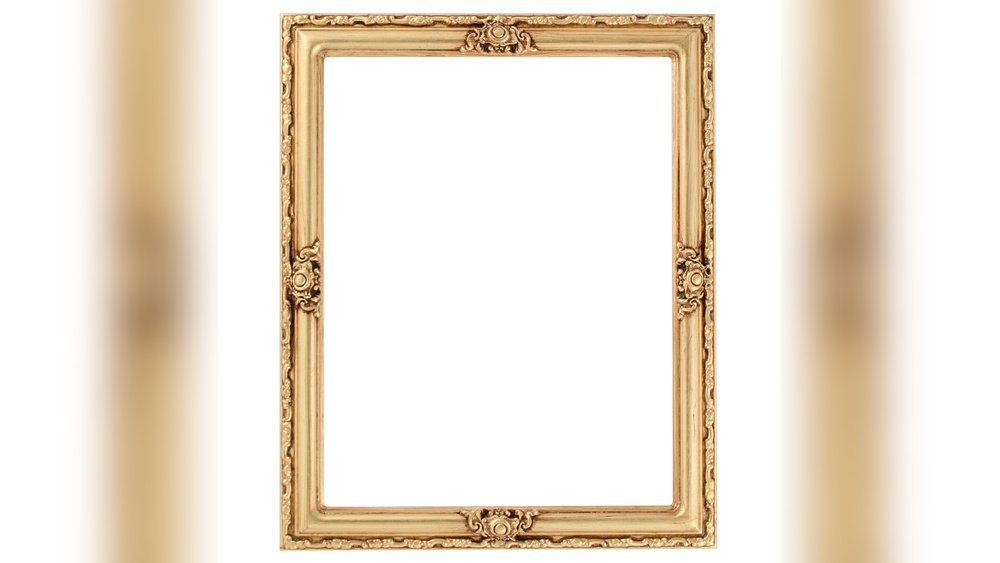
A picture frame is more than a decorative border—it protects your photos, enhances visual appeal, and turns meaningful moments into lasting displays. Whether you’re framing family portraits, artwork, or certificates, choosing the right picture frame can dramatically improve how an image looks and feels within a space.
This complete guide explains everything you need to know about picture frames, including the different types of picture frames, popular sizes such as 5×7 picture frames, digital picture frame options, and how to frame picture photo displays correctly. You’ll also learn how to match frames with room styles, select the right size for walls or desks, and avoid common framing mistakes.
By the end of this guide, you’ll be able to choose picture frames confidently—whether for your home, office, or as a thoughtful gift
What Is a Picture Frame?
A picture frame is a structure designed to hold, protect, and display photographs, artwork, or documents. It typically includes a border made from materials such as wood, metal, or acrylic, along with a protective front layer, such as glass or plastic. Beyond protection, a picture frame helps define the visual boundaries of an image, guiding the viewer’s focus and enhancing its overall presentation.
Picture frames serve both practical and aesthetic purposes. They prevent physical damage, reduce exposure to dust and light, and allow images to be displayed neatly on walls, desks, or shelves. Whether used for personal photos, artwork, or professional certificates, a well-chosen picture frame adds clarity, balance, and meaning to the image it surrounds.
The Core Purpose of a Picture Frame
The primary purpose of a picture frame is to protect and present an image in a structured, visually appealing way. Frames shield photos and artwork from dust, moisture, handling, and light exposure while giving them a defined boundary. This structure helps guide the viewer’s attention and prevents images from blending into the surrounding environment. A well-chosen frame enhances clarity, preserves condition, and gives images a finished, intentional look.
Common Materials Used in Picture Frames
Picture frames are commonly made from wood, metal, acrylic, or composite materials, each offering different benefits. Wooden frames offer warmth and a timeless appeal, making them a popular choice for homes and traditional décor. Metal frames provide a sleek, modern appearance suited for offices and contemporary interiors. Acrylic and plastic frames are lightweight, affordable, and practical for casual displays or high-traffic areas. Material choice affects durability, style, and long-term maintenance.
Key Components of a Picture Frame
A standard picture frame includes several essential parts: the frame border, protective front (glass or acrylic), matting, and backing board. The border defines the image visually, while the front layer protects it from damage. Matting creates spacing that improves focus and presentation, and the backing secures everything in place. High-quality frames often use acid-free materials to help preserve images over time.
Decorative vs Functional Picture Frames
Decorative picture frames prioritize style and visual impact, often featuring bold designs, colors, or textures. These are ideal for statement pieces and artistic displays. Functional frames focus more on protection and longevity, using simple designs and durable materials. Understanding the difference helps you choose frames that either enhance décor or preserve important images—sometimes both when quality and design are well balanced.
Why Picture Frames Matter in Home and Office Design
Picture frames play an important role in shaping how a space feels and functions. In both homes and offices, they help create visual structure, highlight personal or professional achievements, and contribute to a cohesive interior design. A thoughtfully framed image can draw attention, add warmth, and strengthen emotional connection, while poor framing choices can make even meaningful images feel out of place.
In interior design, picture frames influence scale, balance, and flow. The right size and style can anchor a wall, complement furniture, and enhance color harmony within a room. In office environments, clean and understated frames support focus and professionalism, while in homes, they add personality and comfort. By choosing frames that align with the space and purpose, images become intentional design elements rather than simple decorations.
How Picture Frames Improve Visual Balance
Picture frames help establish scale, proportion, and alignment within a space. The right size and placement can anchor a wall, balance furniture, and prevent visual clutter. Frames also create consistency when displaying multiple images, making arrangements feel organized and intentional rather than random. Proper spacing and alignment contribute to a polished, well-designed look.
The Emotional Impact of Framed Images
Framed images tend to feel more meaningful than digital photos because they occupy physical space and invite daily interaction. Displaying personal photos, artwork, or memories strengthens emotional connection and adds warmth to a room. Frames turn moments into visible stories, making them part of everyday life instead of forgotten files on a device.
Picture Frames as Interior Design Elements
Beyond holding images, picture frames function as decorative design elements. Their color, material, and style can complement wall colors, furniture, and overall décor themes. Whether minimalist or ornate, frames help unify a room’s aesthetic and add visual interest. Thoughtfully chosen frames enhance cohesion and elevate interior design without overwhelming the space.
Professional Benefits of Picture Frames in Offices
In office environments, picture frames contribute to professionalism and credibility. Clean, understated frames are ideal for displaying certificates, awards, branding visuals, or subtle personal photos. They help humanize workspaces while maintaining focus and order. Well-framed visuals create a polished atmosphere that supports productivity and leaves a positive impression on clients and visitors.
Types of Picture Frames
Picture frames come in several types, each designed to serve a specific purpose. Understanding the differences helps you choose the right option based on how you want to display, protect, and experience your images. Below is a complete breakdown of the most common picture frame types and when to use them.
Traditional Picture Frames (Printed Photos)
Traditional picture frames are designed to display printed photographs, artwork, certificates, and documents. They typically include a solid border, a protective front layer, and a backing that keeps the image secure.
Material Options
- Wood frames offer warmth and timeless appeal, making them ideal for family photos and classic interiors.
- Metal frames provide a sleek, modern look and are commonly used in offices or contemporary spaces.
- Acrylic or plastic frames are lightweight and budget-friendly, suitable for casual displays or children’s rooms.
Best Use Cases
Traditional frames work best for permanent displays, sentimental images, artwork, and professional documents that benefit from long-term protection.
Pros and Cons
- Pros: Durable, tactile, emotionally meaningful, no power required
- Cons: Limited to one image at a time, requires printing and physical storage
Digital Picture Frame
A digital picture frame is an electronic display designed to showcase multiple digital photos in a rotating slideshow. These frames use LCD or LED screens and often resemble traditional décor pieces to blend into living or workspaces.
What It Is and How It Works
Digital picture frames store images internally or receive them through USB, memory cards, Wi-Fi, or mobile apps. Many models allow remote photo updates, scheduling, and automatic transitions.
Best Use Cases
Digital frames are ideal for:
- Families who want to rotate shared memories
- Offices, reception areas, and waiting rooms
- Gifting to relatives who enjoy frequent photo updates
They are especially useful when flexibility and variety matter more than permanence.
Floating and Shadow Box Frames
Floating and shadow box frames add depth and dimension by creating space between the image and the front of the frame.
When to Use Them
These frames are best used when you want the display itself to feel like part of the artwork rather than just a border.
Best Subjects
- Artwork and illustrations
- Memorabilia, keepsakes, and collectibles
- Textiles, pressed flowers, or layered designs
Shadow box frames are ideal for preserving three-dimensional items while maintaining a clean, organized presentation.
Digital Picture Frame vs Traditional Picture Frame (Comparison Table)
|
Feature |
Traditional Picture Frame |
Digital Picture Frame |
|
Image Type |
Printed photos or artwork |
Digital images |
|
Display Capacity |
One image per frame |
Multiple rotating images |
|
Power Requirement |
No power needed |
Requires electricity |
|
Emotional Feel |
Permanent and tactile |
Dynamic and flexible |
|
Best For |
Heirloom photos, artwork, certificates |
Families, offices, and frequent updates |
|
Maintenance |
Occasional cleaning |
Software updates and screen care |
Picture Frame Styles That Match Your Space
Picture frame style influences how an image feels within a room. The right style supports the subject of the photo while complementing the surrounding décor. Choosing a frame that aligns with your interior design helps images feel intentional, balanced, and visually connected to the space.
Modern Minimalist Picture Frames
Best for: Contemporary homes, offices, and clean, clutter-free spaces
Modern minimalist picture frames feature clean lines, slim borders, and neutral finishes such as black, white, or brushed metal. These frames reduce visual distraction and place full attention on the image itself.
This style works especially well with:
- Black-and-white photography
- Architectural images
- Modern art prints
Minimalist frames are ideal for open-plan spaces and professional environments where simplicity and focus matter most.
Vintage-Inspired Picture Frames
Best for: Traditional interiors, sentimental photos, and classic décor
Vintage-inspired picture frames often include ornate detailing, distressed finishes, and muted tones such as bronze, gold, or antique wood. These frames add character and a sense of history to displayed images.
They pair well with:
- Old family photographs
- Classic artwork
- Sentimental or heirloom images
Vintage frames bring warmth and nostalgia, making them suitable for living rooms, hallways, and reading corners.
Rustic and Natural Picture Frames
Best for: Farmhouse, boho, and nature-inspired interiors
Rustic picture frames emphasize natural textures, visible wood grain, and earthy tones. They create a relaxed, organic feel that blends seamlessly with cozy and informal spaces.
These frames work best with:
- Nature photography
- Landscape prints
- Casual family photos
Rustic styles add depth and authenticity, helping images feel grounded rather than overly polished.


Decorative and Statement Picture Frames
Best for: Accent walls and artistic focal points
Decorative picture frames feature bold colors, unique textures, or artistic designs that make the frame itself part of the display. These frames are best used sparingly to avoid overwhelming the image.
They are ideal for:
- Feature walls
- Artistic prints
- Standalone statement pieces
When balanced correctly, statement frames add personality and visual interest without competing with surrounding décor.
Matching Picture Frame Style to Room Function
Choosing the right picture frame style depends not only on décor but also on how the space is used:
- Living rooms: Mix styles for personality and visual interest
- Bedrooms: Softer tones and simpler designs for a calming effect
- Offices: Clean, understated frames to maintain professionalism
Aligning frame style with room function ensures displays feel purposeful and cohesive.
Picture Frame Sizes Explained (With Practical Use Cases)
Choosing the right picture frame size is essential for creating visual balance and ensuring your images look intentional rather than crowded or lost. Frame size affects how an image interacts with wall space, furniture, and surrounding décor. Understanding standard picture frame sizes and their best uses makes it easier to select the right option for any room.
Common Picture Frame Sizes and Their Best Uses
Different picture frame sizes serve different display purposes. The table below highlights popular sizes and how they’re typically used.
|
Picture Frame Size |
Best Use Case |
Ideal Placement |
|
4×6 |
Casual photos, snapshots |
Desks, shelves |
|
5×7 picture frames |
Portraits, gifts |
Bedside tables, desks |
|
8×10 |
Art prints, certificates |
Walls, offices |
|
11×14 |
Statement photos |
Living rooms |
|
Large formats |
Gallery walls |
Feature walls |
This approach helps ensure each frame complements its surroundings instead of competing with them.
Why 5×7 Picture Frames Are So PopularAmong standard sizes, 5×7 picture frames strike an ideal balance between visibility and compactness. They’re large enough to display detail clearly while remaining small enough for desks, shelves, and bedside tables.
This size works especially well for:
- Individual portraits
- Travel memories
- Wedding or graduation photos
- Ready-to-use gifts
Because of their versatility, 5×7 frames fit seamlessly into both personal and professional spaces.
Choosing the Right Size for Wall Displays
Wall-mounted displays require careful size selection. Small frames can feel lost on large walls, while oversized frames may overwhelm smaller spaces. As a general rule, framed artwork should fill about 60–75% of the available wall space above furniture.
Grouping multiple frames of varying sizes can create a balanced gallery wall, especially when spacing and alignment are consistent.
Vertical vs Horizontal Orientation
Orientation plays a key role in how an image is perceived. Vertical frames work best for portraits and narrow wall areas, while horizontal frames suit landscapes, group photos, and wide surfaces.
Many modern picture frames allow both orientations, making it easy to update displays without replacing the frame.
Mixing Picture Frame Sizes for Visual Interest
Combining multiple picture frame sizes adds depth and movement to a display. Grid layouts create a clean, modern look, while staggered arrangements feel more relaxed and creative.
To maintain harmony:
- Stick to a limited color palette
- Use consistent spacing
- Balance large frames with smaller accents
Planning the layout on the floor before hanging helps avoid spacing mistakes.

How to Choose the Right Picture Frame (3-Step Method)
Many people feel overwhelmed by too many styles and sizes. Simplifying the decision-making process helps users act faster and with confidence.
Step 1: Define the Purpose
Start by identifying why you’re displaying the image. Is it decorative, sentimental, professional, or temporary? Decorative displays prioritize aesthetics, while sentimental ones emphasize emotional value. Professional displays focus on clean presentation and durability.
Step 2: Match the Space
Consider where the display will live. Wall-mounted arrangements require careful size and spacing choices, while desks and shelves benefit from compact formats. Always account for surrounding furniture and lighting.
Step 3: Choose Style and Finish
Select a style that complements both the image and the room. Neutral finishes are versatile, while bold designs make a statement. When in doubt, simplicity usually delivers the best long-term results.
How to Frame a Picture Photo Correctly
Learning how to frame a photo correctly ensures your images look polished while remaining protected over time. Proper framing enhances visual clarity, prevents damage, and helps photos blend naturally into their surroundings rather than feeling out of place.
Matting and Protection
Matting creates visual breathing room between the image and the frame, helping guide the viewer’s focus toward the photo itself. Using acid-free mats and backing materials is essential, as they prevent discoloration and long-term deterioration.
For added protection, choose frames with UV-protective glass or acrylic, which help reduce fading caused by sunlight. This is especially important for irreplaceable photos, artwork, or documents meant for long-term display.
Placement and Viewing Height
Correct placement plays a major role in how framed images are perceived. The most comfortable viewing height is typically at eye level, with the center of the image positioned around 57–60 inches from the floor.
Avoid hanging frames in direct sunlight or high-humidity areas, such as near windows, kitchens, or bathrooms. Excess light and moisture can cause fading, warping, or mold growth over time.
Common Framing Mistakes to Avoid
One of the most common mistakes is choosing a frame that overpowers the image. Overly ornate or oversized frames can distract from the photo instead of enhancing it. Incorrect sizing is another issue, making images feel cramped or visually disconnected.
Poor spacing, inconsistent alignment, and hanging displays too high or too low can also disrupt visual flow. Measuring carefully and planning placement helps prevent these problems.
Picture Frame Display Ideas That Actually Work
Effective display layouts transform framed images into intentional design features. Whether you prefer structured arrangements or relaxed compositions, the right layout enhances both the image and the surrounding space.
Gallery Wall Layouts
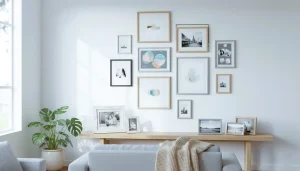
Gallery wall layouts use multiple frames to create a strong visual impact. Start with a central anchor piece and build outward, keeping spacing consistent—typically 2 to 3 inches between frames.
This approach works well in hallways, staircases, and large living areas, where grouped displays can fill space without relying on a single oversized piece.
Asymmetrical and Modern Arrangements
Asymmetrical layouts offer a more contemporary look and introduce visual movement. These designs work best above sofas, beds, or long consoles where horizontal space allows for creative balance.
The key to success is maintaining consistent alignment and spacing so the display feels intentional rather than random. Mixing frame sizes works well when anchored by a clear visual center.

Shelf and Desk Displays
Shelf and desk displays provide flexibility and are ideal for smaller spaces. Leaning frames against walls creates a relaxed, layered look, while mixing frames with books or decorative objects adds depth.
This approach allows easy updates without permanent wall mounting and works especially well with 5×7 picture frames and compact formats.
Picture Frame Placement: Room-by-Room Guide
Choosing the right picture frame display depends on the function, style, and atmosphere of each room. Proper placement ensures your photos and artwork enhance the space while reflecting your personality.
Living Room Displays
Focus on statement pieces that draw attention.
- Use large frames or grouped arrangements to anchor walls.
- Mix traditional and modern frames for a balanced, stylish look.
- Perfect for family portraits, travel photos, or bold artwork.
Bedroom Displays
Create a calming, personal environment.
- Opt for smaller frames, soft colors, and simpler layouts.
- Display sentimental images, personal quotes, or calming artwork.
- Avoid clutter—minimalist arrangements work best for relaxation.
Office and Workspace Displays
Keep it professional and inspiring.
- Use clean, understated frames for certificates, awards, or motivational visuals.
- Small desk frames or wall-mounted arrangements maintain focus without distraction.
- Consider rotating digital displays for dynamic visual interest.
Kitchen and Dining Areas
Add warmth and personality to shared spaces.
- Compact frames on shelves or countertops work well.
- Display family recipes, travel photos, or food-themed art.
- Ensure frames are resistant to humidity and kitchen conditions.
Hallways and Entryways
Make a memorable first impression.
- Gallery walls or vertically aligned frames work best for narrow spaces.
- Use consistent spacing and cohesive frame styles for visual harmony.
- Highlight memorable trips, artwork, or family milestones to engage visitors.
Digital Picture Frame vs Printed Frame — Which Is Right for You?
Choosing between a digital picture frame and a traditional printed frame depends on your style, space, and how you want to enjoy your memories. This quick guide helps you decide the best option for your home or office.
When to Choose a Digital Picture Frame
- Perfect for rotating multiple images automatically.
- Ideal for families who share memories frequently.
- Great for offices, waiting areas, or dynamic displays.
When a Printed Frame Works Best
- Offers a tactile, permanent display for cherished photos.
- Perfect for heirloom prints, artwork, and sentimental gifts.
- Works well in spaces where traditional décor enhances the ambiance.
Why Combining Both Options Can Be Ideal
- Balance tradition and technology in your displays.
- Use printed frames for personal, emotional pieces, and digital frames for variety.
- Provides flexibility for rotating images while keeping key memories permanent.
Quick Comparison Table: Digital vs Printed Frames
|
Feature |
Digital Frame |
Printed Frame |
|
Image Rotation |
✔ Multiple images |
✖ Single image |
|
Ease of Updates |
✔ Remote or app-based |
✖ Requires reprinting |
|
Emotional Impact |
Moderate |
High |
|
Best Use |
Shared spaces, offices |
Sentimental, decorative, heirlooms |
|
Maintenance |
Clean screen, occasional updates |
Protect from UV, dust, and humidity |
Picture Frame Care, Protection, and Long-Term Maintenance
Proper care keeps your pictures and frames looking their best for years. Follow these tips to protect both printed and digital displays:
Cleaning and Upkeep
- Use a soft, dry cloth for dusting wooden, metal, or acrylic frames.
- Avoid harsh chemicals that can damage finishes or photos.
- For digital frames, gently clean the screen with a microfiber cloth.
Preventing Fading and Damage
- Use UV-protective glass or acrylic for printed photos.
- Keep frames out of direct sunlight, heat, and humid areas.
- Store extra prints in acid-free sleeves or boxes to preserve quality.
Digital Frame Maintenance
- Regularly update software or firmware for optimal performance.
- Backup images to prevent accidental loss.
- Ensure power sources are stable to avoid interruptions or screen damage.
Recommended Sizes for Common Use Cases
Choosing the right size becomes easier when matched with real-world scenarios:
- Desks and bedside tables: compact formats like 5×7 picture frames
- Shelves and mantels: medium sizes or grouped displays
- Large walls: oversized pieces or gallery-style arrangements
Matching size to function improves both aesthetics and usability.
Frequently Asked Questions
What Materials Are Commonly Used For Picture Frames?
Wood, metal, plastic, and glass are popular materials for picture frames.
How Do I Choose The Right Size For A Picture Frame?
Select a frame that fits your photo or artwork with a bit of extra space.
Can Picture Frames Protect Photos From Damage?
Yes, frames with glass or acrylic covers protect photos from dust and damage.
How Do I Hang A Picture Frame Securely On The Wall?
Use nails, hooks, or wall anchors suitable for your wall type to hang frames.
What Styles Of Picture Frames Suit Different Room Decors?
Classic wood fits traditional rooms; sleek metal works well in modern spaces.
Is a digital picture frame worth it?
Yes, if you want rotating images, remote updates, or flexible display options for home or office.
Is a 5×7 picture frame suitable for desks?
Absolutely. It’s compact yet large enough to showcase details, making it ideal for desks, shelves, and bedside tables.
How do I protect photos from fading?
Use UV-protective glass, acid-free backing, avoid direct sunlight, and maintain moderate humidity levels.
Conclusion
Choosing the right picture frame is about balancing style, size, and purpose. From classic printed frames to modern digital picture frames, each option offers a unique way to display and protect your most meaningful images. Understanding frame types, materials, and sizing—such as versatile 5×7 picture frames—helps ensure your photos and artwork look intentional, balanced, and visually appealing.
Whether you’re learning how to frame picture photo displays correctly, designing a gallery wall, or deciding between digital and printed options, the right frame enhances both your space and your emotional connection to the image. By focusing on quality materials, proper placement, and thoughtful design choices, your framed memories can remain beautiful for years to come.
Invest in picture frames that match your style and environment, care for them properly, and let your favorite moments become part of your everyday surroundings.


