Apple HomeKit: Secure Smart Living Guide 2026

Apple HomeKit is a smart home platform that enables you to control connected devices from a single location. With HomeKit, you can manage lights, locks, cameras, and thermostats using your iPhone, iPad, or Mac. The system works through the Apple Home app and supports voice control with Siri. HomeKit is built for ease of use and privacy.
This guide explains how Apple HomeKit works, what devices it supports, its cost, and how it compares to other smart home platforms. It also covers setup tips and popular accessories to help you build a system that fits your needs. This guide is designed for beginners and Apple users who want to build or expand a HomeKit smart home in 2026.
What is Apple HomeKit?
HomeKit connects devices like lights, locks, cameras, and thermostats. You can control these devices with your voice or an app.
For example, you can turn off the lights when you leave the house. Or, set the heater to turn on before you arrive.
How Does Apple HomeKit Work?
HomeKit works by linking your smart devices to Apple’s Home app. You add devices to the app using a QR code or setup code. Then, you can control each device from the app.
HomeKit also works with Siri, Apple’s voice assistant. You can say commands like “Turn off the lights” or “Lock the front door.” Siri listens and tells the devices what to do.
All devices must be HomeKit compatible. Many brands make HomeKit devices. Some examples are Philips Hue lights and August smart locks.
System Diagram (HomeKit → Hub → Devices)
Adding visuals can improve user engagement and help search engines better understand your content structure. Even simple visuals can increase time on page and reduce bounce rate.
Consider adding:
- A system diagram showing how Apple HomeKit connects devices through a HomeKit hub (HomePod mini or Apple TV)
- An automation flow image showing how a scene or routine works (for example: motion detected → lights turn on → camera records)
- A comparison chart image summarizing HomeKit vs other smart home platforms
These visuals help readers quickly understand how HomeKit works without reading every section in detail.
Key Components & Features
Apple HomeKit consists of three main parts: the Home app, compatible smart devices, and a HomeKit hub (such as HomePod mini or Apple TV). The Home app lets you control lights, locks, cameras, thermostats, and more from one place. Scenes and automations help devices work together based on time, activity, or location.
Benefits of Using Apple HomeKit
- Voice Commands: Use Siri to control devices hands-free.
- Secure: Apple uses strong security to protect your data.
- Energy Saving: Turn off devices when not needed.
- Remote Access: Control your home even when you are away.
Automation & Real-World Use Cases
You can set lights to turn off once you fall asleep, lock doors after leaving the house, and warm your home before you arrive. Security cameras can send alerts when motion is detected, helping you act quickly.
Daily Routines
- “Good Morning” Scene: Lights gradually turn on, thermostat warms, coffee machine starts.
- “Good Night” Scene: Lights turn off, doors lock, and security cameras activate.
Security Routines
- Lock doors automatically at night or when you leave home.
- Motion-triggered lights or cameras send alerts via the Home app.
Energy Saving Routines
- Automatically turn off lights when no one is in a room.
- Smart plugs can cut power to devices when not in use.
- Adjust the thermostat based on occupancy or time of day.
How to Set Up Apple HomeKit
Setting up HomeKit is simple. Follow these steps:
- Open the Home app on your iPhone or iPad.
- Tap the plus (+) icon to add a device.
- Scan the HomeKit setup code on the device or its box.
- Follow the on-screen instructions to connect the device.
- Name your device and assign it to a room.
You can also create groups for multiple devices. For example, group all the lights in the living room together.
Using the Apple Home App
It has many features:
- Rooms: Organize devices by room for easy control.
- Scenes: Create actions that control many devices at once. For example, a “Good Night” scene that turns off lights and locks doors.
- Automation: Set devices to work automatically. Example: Turn on the lights at sunset.
- Notifications: Get alerts if a device detects something. Like a security camera sensing motion.
How Siri Helps with Apple HomeKit
Siri makes controlling your home easy. You just speak commands.
Some examples of Siri commands for HomeKit:
- “Hey Siri, turn on the kitchen lights.”
- “Hey Siri, set the thermostat to 72 degrees.”
- “Hey Siri, lock the front door.”
- “Hey Siri, is the garage door open?”
Siri can also run scenes. Just say, “Hey Siri, good morning,” and your home can turn on the lights and start the coffee maker.
Safety and Privacy with Apple HomeKit
Apple cares about your privacy. HomeKit uses strong security to protect your data. It encrypts messages between your devices and Apple’s servers.
Only you and the people you trust can control your smart home. You can invite family members to use your devices safely.
This keeps your home information private.
What Is Needed for Apple HomeKit?
To use Apple HomeKit, you need a few basic items. First, you need an Apple device like an iPhone, iPad, or Mac. You also need smart home products that support HomeKit. A stable Wi-Fi network is required so devices can stay connected and respond quickly to commands.
You may also want a HomePod, Apple TV, or iPad as a Home Hub. This lets you control devices when you are not home.
Apple HomeKit Hub Explained
A HomeKit hub allows you to control your devices when you are away from home. It also enables automations and remote access.
Apple TV, HomePod, or HomePod mini can work as a HomeKit hub. Once set up, your hub keeps devices connected securely and allows features like location-based actions and scheduled routines.
Is Apple HomeKit Free to Use?
Apple HomeKit itself is free to use. Apple does not charge a monthly or yearly fee to control smart home devices through the Home app. The main expenses come from buying compatible smart home devices. Some accessories, such as security cameras, may offer optional cloud storage plans, but HomeKit does not require a subscription to function.
Top 5 HomeKit Accessories for Beginners
If you’re just starting, these devices offer maximum value without breaking the bank:
- HomePod mini – Voice control and hub functionality.
- Philips Hue Starter Kit – Easy-to-use smart lighting.
- Eve Energy Smart Plug – Monitor power use and schedule devices.
- August Smart Lock – Basic home security with remote control.
- Logitech Circle View Camera – Simple, secure indoor/outdoor monitoring.
Tips: Start small, automate one room at a time, and expand gradually.
Best Apple HomeKit Devices
Choosing high-quality Apple HomeKit devices makes your smart home work smoothly and reliably. Here are some of the most useful and well-supported devices across key categories, from speakers and thermostats to cameras and plugs.
Apple HomePod mini
The HomePod mini is one of the best starting points for any HomeKit system. It works as a smart speaker with Siri built in and also acts as a HomeKit hub, giving you remote access and automation control from anywhere. It delivers clear sound for its size and ties directly into your Apple ecosystem without extra setup.
Apple TV 4K doubles as a HomeKit hub and also gives you streaming entertainment. When set up as a Home Hub, it keeps your devices connected and lets you control HomeKit accessories even when you are not at home.
Pros
- Acts as both a smart speaker and a HomeKit hub
- Works seamlessly with Siri and the Home app
- Small size fits almost anywhere
- Strong local control and privacy
Cons
- Music quality is good, but not as deep as larger speakers
- Must be on the same Apple ecosystem
- Limited tactile controls (mostly voice)
Apple TV 4K – Best HomeKit Hub for Large Homes
Apple TV 4K offers strong performance as a HomeKit hub. It keeps accessories connected and responsive, especially in homes with many devices. It also supports advanced automations and fast remote access.
Best for: Homes with many smart devices
Why it’s useful: Stable connection and fast response
Apple TV 4K
Pros
- Serves as both a HomeKit hub and an entertainment hub
- Very responsive and stable
- Supports remote HomeKit control
- Works well with many device automations
Cons
- Higher cost than standalone hubs
- Requires a TV to get the most value
- Frequent software updates can be large
Philips Hue Smart Bulbs
Philips Hue is known for reliable smart lighting. These bulbs can dim, change color, and be controlled through the Home app or by voice. They also work well in various scenes, such as “Good Morning” or “Movie Time.”
Nanoleaf Light Panels
For creative lighting and decorative scenes, Nanoleaf panels provide both style and functionality. They work with Siri and the Home app, allowing unique lighting setups for mood and ambience.
Philips Hue Smart Lights
Pros
- Reliable performance and brightness
- Supported by many smart home systems
- Many bulb types and color options
- Easy automation and scheduling
Cons
- Requires Hue Bridge for full functionality
- The bridge adds to the overall cost
- Setup can be more steps than direct Wi-Fi bulbs
Ecobee Smart Thermostat Premium
Ecobee’s thermostat offers advanced automation and HomeKit support. It can adjust temperature based on occupancy and preferences, helping manage comfort and energy use.
Honeywell Home T6 or X2S
Honeywell’s HomeKit-compatible models provide reliable temperature control with scheduling and optional remote sensors. These thermostats offer a cost-effective way to add smart climate control.
ecobee Smart Thermostat (HomeKit Support)
Pros
- Excellent temperature control
- Smart scheduling saves energy
- Works with sensors in multiple rooms
- HomeKit automation works well
Cons
- Pricier than basic thermostats
- Installation may require a professional
- Works best if the HVAC system is compatible
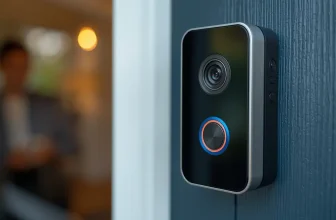
Logitech Circle View Doorbell
This doorbell sends alerts to your Apple devices when motion is detected. It integrates smoothly with HomeKit automations and supports secure video storage.
Best for: Front door security
Why it’s useful: Direct Home app integration
Logitech Circle View Doorbell
Pros
- Works directly with HomeKit
- Sends notifications when visitors arrive
- Solid video quality and night vision
- Integrates into automations
Cons
- Hard-wired installation required
- Power via doorbell wiring only
- Limited battery options
Eve Energy Smart Plug
Eve Energy lets you control plugged-in devices and track power usage. It helps reduce energy waste by turning devices off automatically when not needed.
Best for: Lamps, fans, and small appliances
Why it’s useful: Energy monitoring without extra apps
Eve Energy (Smart Plug)
Pros
- Tracks energy usage
- Works directly with HomeKit without a bridge
- Easy setup and control
- Good for lamps and small appliances
Cons
- Bulky size may block adjacent outlets
- No scheduling in some advanced cases
- Works best with Apple devices
August Smart Lock
August Smart Lock allows remote locking and unlocking through the Home app. You can check the door status anytime and give access to trusted users.
Best for: Home entry control
Why it’s useful: Phone and voice-based locking
August Smart Lock
Pros
- Easy phone access and remote control
- Works with Home app scenes and automations
- Great for family entry management
- Adds convenience to door locking
Cons
- Battery life varies with heavy use
- More expensive than basic locks
- Some advanced features require a subscription
Best Apple HomeKit Devices Comparison Chart
This table helps readers quickly compare popular Apple HomeKit devices based on use case, features, and ideal buyers.
| Device Category | Product | Works as a HomeKit Hub | Best For | Key Benefit |
| Smart Speaker | HomePod mini | Yes | Beginners | Voice control + automation |
| Streaming Hub | Apple TV 4K | Yes | Advanced setups | Fast response + remote access |
| Smart Lights | Philips Hue | No | Lighting control | Reliable scenes and colors |
| Smart Thermostat | ecobee Smart Thermostat | No | Energy savings | Smart scheduling |
| Security Camera | Logitech Circle View | No | Home security | HomeKit Secure Video |
| Video Doorbell | Logitech Circle View Doorbell | No | Entry monitoring | Clear alerts in Home app |
| Smart Plug | Eve Energy | No | Energy control | Power usage tracking |
| Smart Lock | August Smart Lock | No | Door security | Remote locking |
Apple HomeKit vs Google Home Comparison Table
| Feature | Apple HomeKit | Google Home |
| Supported Phones | iPhone, iPad | Android, iPhone |
| Voice Assistant | Siri | Google Assistant |
| Privacy Focus | High, local processing | Moderate, cloud-based |
| Device Compatibility | Smaller but controlled | Very wide |
| Setup Process | QR code, Home app | App-based, varies by brand |
| Remote Access | Requires Home Hub | Built-in |
| Automation Control | App-based, reliable | Flexible, cloud-driven |
| Best For | Apple users | Mixed-device households |
Apple HomeKit vs Other Platforms (Alexa, SmartThings)
While HomeKit is optimized for Apple users, it’s useful to see how it stacks up against other ecosystems:
| Feature | Apple HomeKit | Amazon Alexa | Samsung SmartThings |
| Supported Devices | iPhone, iPad | Android, iOS | Android, iOS |
| Voice Assistant | Siri | Alexa | Bixby / optional Alexa |
| Privacy Focus | High, local | Moderate, cloud-based | Moderate |
| Automation | Reliable, app-based | Flexible, cloud-based | Very flexible |
| Remote Access | Requires Home Hub | Built-in | Built-in |
| Best For | Apple users | Mixed-device households | Tech-savvy households |
Who Should Use Apple HomeKit (and Who Shouldn’t)
Apple HomeKit is a strong choice for users who already rely on Apple devices and want a smart home system that is easy to manage and privacy-focused. It works best when your household is built around an iPhone, iPad, Mac, or Apple Watch.
Apple HomeKit is a good fit if:
- You use an iPhone or other Apple devices daily
- You want a simple setup through one app
- You care about data privacy and local control
- You plan to use automations like lights, locks, and thermostats together
Apple HomeKit may not be ideal if:
- Your household uses only Android phones
- You want the widest possible range of low-cost smart devices
- You prefer cloud-based voice assistants over local processing
For Apple users who value consistency, security, and smooth automation, HomeKit offers a reliable smart home experience. Users outside the Apple ecosystem may find other platforms more flexible.

Limitations of Apple HomeKit You Should Know
Apple HomeKit prioritizes privacy and local processing, but this approach can limit device compatibility compared to other smart home platforms. Many accessories require Apple certification, which reduces product variety and often increases cost. Advanced features such as secure video storage or complex automations may also depend on additional hardware like a Home Hub.
Another limitation is that HomeKit updates and new integrations tend to roll out more slowly. While this improves stability and security, it can delay access to the latest smart home features. Users planning a large or fast-expanding smart home should consider these constraints before committing fully to the ecosystem.
Common Mistakes New HomeKit Users Make
A common mistake is purchasing smart devices without checking HomeKit or Matter compatibility. Not all “smart” products work natively with Apple HomeKit, which can lead to limited functionality or reliance on third-party apps. Verifying compatibility before buying prevents setup issues later.
Another frequent issue is overlooking network quality. HomeKit relies heavily on a stable Wi-Fi network and a properly configured Home Hub for automations and remote access. Poor router placement or outdated hardware can cause delays, failed automations, or unresponsive devices, reducing the overall smart home experience.
Apple HomeKit Buyer’s Guide Checklist
Before buying any Apple HomeKit device, it helps to check a few key details
Check HomeKit or Matter Support
Always confirm that the product supports Apple HomeKit or Matter. Look for HomeKit logos or Matter labels on the box or product page. This ensures the device works inside the Apple Home app.
Decide If You Need a HomeKit Hub
If you want remote access or automations, you will need a HomeKit hub. HomePod mini or Apple TV 4K works well for this. Without a hub, control is limited to when you are at home.
Match the Device to Your Home Setup
Choose devices that fit your living space. Smart plugs work well for small appliances, while switches are better for built-in lighting. Cameras and doorbells should match indoor or outdoor use.
Review Power and Network Requirements
Some devices run on batteries, while others need wired power. Check Wi-Fi requirements and supported bands to avoid connection problems, especially in larger homes.
Look for Software Updates and Brand Support
Brands that release regular updates tend to offer better long-term performance. Updates improve security, fix bugs, and add new features over time.
Balance Price and Features
More expensive devices often include better sensors, faster response, or stronger materials. Decide which features you actually need so you do not overpay.
Plan for Future Expansion
If you plan to add more devices later, choose accessories that work well with scenes and automations. Matter-ready products are a good option for long-term use.
Maintenance & Troubleshooting Tips
Even the best smart home setup can run into issues. Here’s how to handle the most common HomeKit problems:
Wi-Fi Issues
- Ensure your HomeKit devices are within strong Wi-Fi range.
- Restart your router or hub if devices disconnect frequently.
- Check for firmware updates on both the router and HomeKit devices.
Siri Commands Not Working
- Make sure your Apple device is updated to the latest iOS version.
- Verify the device name and room in the Home app match the command.
- Restart your HomeKit hub (HomePod mini, Apple TV, or iPad) to refresh connectivity.
Device Offline
- Reboot the device or check its power source.
- Remove and re-add the device using the Home app setup code.
- Confirm your HomeKit hub is online; the remote control depends on an active hub.
Examples:
- Keep firmware updated
- Place cameras where Wi-Fi is strong
How We Test HomeKit Devices
To make useful recommendations for Apple HomeKit devices, our approach focuses on real-world reliability, compatibility confirmation, and ongoing support. Here is how we test and evaluate products:
- Compatibility with Apple Home App
We confirm whether a device fully integrates with the Home app and supports key features such as remote control, scenes, and automation without needing third-party bridges. - Ease of Setup
Devices must pair quickly using HomeKit setup codes or supported apps without complex networking steps. Products that frequently disconnect or require repeat setup are ranked lower. - Response Time and Stability
Smart home devices should respond reliably to commands from the Home app or Siri. We test how quickly commands take effect across Wi-Fi and hub-based setups. - Feature Value vs Price
Each device is judged on what it offers for its cost. This includes video quality on cameras, audio clarity on speakers, energy-tracking on plugs, and scheduling depth on thermostats. - Security and Updates
We consider whether the manufacturer provides firmware updates and whether the device supports secure communication protocols. Devices with frequent updates and security patches score higher.
Apple HomeKit MyQ Garage Door Support
MyQ garage door systems have limited compatibility with Apple HomeKit. Support depends on the specific garage door opener model and often requires additional hardware or third-party bridges to function inside the Apple Home app. Because of this, features such as direct Siri control, native automations, and HomeKit Secure Video are not always available.
Before choosing a MyQ-enabled garage door system, users should verify current HomeKit or Matter support and understand which features are accessible without workarounds. For users who rely heavily on Apple HomeKit automations or voice control, alternative garage door controllers with native HomeKit support may offer a more reliable experience.
Govee Devices and Apple HomeKit
Govee devices do not offer full native Apple HomeKit support, but some newer products can integrate through Matter or limited platform connections. Lighting products are the most common category where partial compatibility exists, allowing basic control through the Apple Home app when supported standards are in place.
Compatibility varies by model, so checking product specifications is essential before purchase. Users should confirm whether a specific Govee device supports Matter and what features are available within HomeKit, as advanced automations and scenes may still require the Govee app. For users focused on deep HomeKit integration, fully certified accessories provide a more consistent experience.
Matter & Future Compatibility
Matter is a new smart home standard that helps devices from different brands work together more easily. Apple HomeKit supports Matter, which means many newer smart home products can connect to the Home app even if they were not originally built only for HomeKit.
With Matter support, devices such as lights, plugs, switches, and sensors can work across platforms while still being controlled inside Apple HomeKit. This gives users more choice when buying new accessories and reduces the risk of compatibility problems in the future.
Apple devices like HomePod mini and Apple TV 4K help manage Matter accessories. Once a Matter device is added, it behaves like a regular HomeKit device and can be used in scenes, automations, and Siri commands.
Future updates are expected to expand Matter support to more device types, including security products and energy tools. Choosing Matter-ready accessories helps keep your smart home flexible as new devices and features are released.
Future Trends in Apple HomeKit
The Apple HomeKit ecosystem is evolving. Here’s what to expect in 2026 and beyond:
Expanded Matter Support
- More devices from third-party brands will work across platforms while maintaining HomeKit control.
New HomeKit Devices
- Expect next-gen smart lights, plugs, thermostats, and sensors with improved energy tracking and faster automation.
Integration with Energy Management
- Smart thermostats and plugs will work alongside Apple’s ecosystem to track usage and reduce energy bills.
Enhanced Security Features
- Improved encryption and AI-powered alerts will make HomeKit devices more proactive in protecting your home.
Why These Apple HomeKit Devices Are Recommended
These devices are recommended because they:
- Work smoothly with the Apple Home app
- Respond quickly to Siri commands
- Support automations and scenes reliably
- Receive regular software updates
- Offer clear value for their price
Using trusted HomeKit accessories reduces setup issues and improves daily performance.
Frequently Asked Questions
What Devices Are Compatible With Apple HomeKit?
Apple HomeKit works with smart lights, locks, cameras, thermostats, and other smart home gadgets.
How Secure Is Apple HomeKit for Smart Home Control?
HomeKit uses strong encryption and privacy features to keep your smart home data safe.
Can Apple Homekit Work With Non-apple Smart Devices?
Yes, many third-party smart devices support HomeKit through certification and apps.
How Do I Set Up Apple Homekit On My iPhone?
Open the Home app, scan the accessory code, and follow the on-screen steps to connect devices.
Conclusion
Apple HomeKit offers a simple and secure way to manage smart home devices. It brings lights, locks, cameras, thermostats, and other accessories together in one app, making daily control easier and more reliable. For users who already own Apple devices, HomeKit fits naturally into everyday use.
The platform focuses on privacy, consistent performance, and easy automation. With the right accessories and a HomeKit hub, you can control your home remotely, create helpful routines, and reduce energy use without complex setup steps.
If you want a smart home system that works smoothly with Apple products and keeps your data protected, Apple HomeKit is a strong choice. You can start with one device and expand over time, building a smart home that stays simple, secure, and easy to manage.
Author Bio
Ishrat Jahan is a smart home and consumer technology writer who focuses on simplifying complex products for everyday users. She researches smart home platforms, connected devices, and home automation trends with an emphasis on usability, privacy, and long-term value. Her guides are based on real-world usage, product compatibility testing, and analysis of user needs to help readers make confident buying decisions.