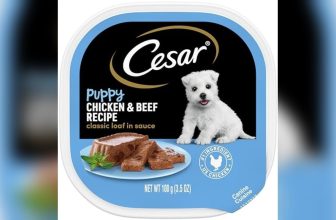
Best Dog Food for All Breeds and Sizes

Choosing the best dog food affects your dog’s energy, digestion, coat health, and lifespan. digestion, coat health, and lifespan. With hundreds of brands, formulas, and price ranges available in the USA and Bangladesh, selecting the right option requires understanding ingredients, life stages, and specific health needs.
Key Nutrients Dogs Need
Dogs need balanced nutrients to stay healthy and active. Good dog food provides these key nutrients. Each one plays a special role in your dog’s well-being. Knowing about them helps you pick the best food for your pet.
Proteins And Fats
Proteins build strong muscles and repair body tissues. They give dogs energy and keep their skin shiny. High-quality protein sources include chicken, beef, and fish.
Fats also provide energy. They help absorb vitamins and keep the coat soft. Healthy fats come from fish oils and animal fats. Both proteins and fats are essential for growth and daily activity.
Vitamins And Minerals
Vitamins support the immune system and help the body work well. For example, vitamin A helps with vision, while vitamin D supports bones.
Minerals like calcium and phosphorus strengthen bones and teeth. Iron helps carry oxygen in the blood. These nutrients keep your dog strong and prevent illness.
Importance Of Fiber
Fiber aids digestion and keeps the stomach healthy. It helps control weight by making dogs feel full. Sources of fiber include vegetables and grains.
A diet with enough fiber reduces constipation and supports regular bowel movements. It is a vital part of a dog’s diet for overall health.

Types of Dog Food Explained
Choosing the right dog food can be confusing. Dogs need a balanced diet for good health. Different types of dog food offer various benefits. Understanding each type helps you pick the best option for your pet.
Dry Dog Food (Kibble)
Dry dog food is the most common option. It is convenient, easy to store, and generally more affordable than other types. Kibble also supports dental health by helping reduce plaque buildup. For most households, high-quality dry dog food with real meat listed as the first ingredient provides balanced nutrition and cost efficiency.
Pros:
Dry dog food is affordable, easy to store, and widely available. It promotes oral hygiene by helping to minimize plaque accumulation. Many formulas provide complete and balanced nutrition for different life stages.
Cons:
Lower moisture content may not suit dogs that need extra hydration. Some budget brands rely on fillers instead of high-quality meat sources.
Best For:
Most households, adult dogs, and owners are looking for a cost-effective daily feeding option.
Wet Dog Food
Wet food contains higher moisture content, which supports hydration and may improve palatability for picky eaters. It can be beneficial for senior dogs or those with dental issues. However, it is typically more expensive per serving and requires refrigeration after opening.
Pros:
High moisture content supports hydration. The rich smell and satisfying texture make it attractive even for selective eaters. Easier to chew for senior dogs or those with dental issues.
Cons:
Higher cost per serving. Requires refrigeration after opening. Shorter shelf life once opened.
Best For:
Senior dogs, small breeds, or dogs that need additional moisture in their diet.
Raw Dog Food
Raw dog food follows a diet closer to what dogs may have eaten ancestrally. It often includes raw meat, bones, and organs. While some owners prefer this approach, raw feeding requires strict hygiene and careful nutritional balancing to avoid deficiencies or contamination risks.
Pros:
High protein content with minimal processing. Often includes fresh meat and organs. Appeals to owners seeking a natural feeding approach.
Cons:
Requires strict hygiene practices. Risk of bacterial contamination if handled improperly. Nutrient imbalance is possible without professional formulation.
Best For:
Experienced owners who understand safe food handling and balanced diet formulation.

Freeze-Dried Dog Food
Freeze-dried dog food offers a nutrient-dense alternative with an extended shelf life. It preserves nutrients through low-temperature processing and is often rehydrated before feeding. This option is convenient compared to raw diets but usually comes at a higher price point.
Pros:
Nutrient-dense and minimally processed. Long shelf life. Lightweight and convenient for travel.
Cons:
Higher price point. Needs rehydration before feeding. Not always available in local stores.
Best For:
Premium feeding plans, travel situations, or owners seeking a raw-style alternative with added convenience.
Dog Food Roll
Dog food roll is a semi-moist product shaped like a sausage. It can be sliced and served alone or mixed with dry food.
Best For: Variety feeding or training
Pros:
- Easy to portion
- More moisture than kibble
Cons:
- Shorter shelf life after opening
- Less common in some markets
Storage:
Refrigerate after opening.
Dog Food Topper
A dog food topper is added to regular meals to improve taste or boost nutrition. It may include gravy, freeze-dried meat, or supplements.
Best For: Picky eaters or adding variety
Pros:
- Enhances flavor
- Encourages appetite
- Adds nutrients
Cons:
- Not a complete meal
- Increases feeding cost
Toppers should supplement, not replace, balanced dog food.
Feeding Tip
When switching between food types, introduce the new food gradually over 7–10 days. Sudden changes can cause digestive upset.

What Type of Food Is Best for Dogs?
The best type of dog food depends on your dog’s age, health condition, activity level, and your feeding routine. Dry, wet, raw, and freeze-dried options each offer specific advantages. Instead of focusing on trends, evaluate ingredient quality, nutrient balance, safety standards, and long-term practicality. A well-matched formula supports consistent energy, healthy digestion, and sustainable feeding habits.
Dog Food by Life Stage
Choosing the right food for your dog depends on their age. Dogs have different needs at each stage of life. Their bodies grow, change, and slow down over time. The food must support these changes to keep them healthy and active.
Different life stages require different nutrients and energy levels. Puppies need more nutrients for growth. Adult dogs require well-balanced meals to stay healthy and active. Senior dogs benefit from food that supports aging joints and digestion.
Puppies
Puppies grow fast and need extra nutrition. Their food should have more protein and fat. These nutrients help build strong muscles and healthy organs. Puppy food also supports brain development and energy levels. Feeding the right food helps puppies develop well.
Adult Dogs
Adult dogs need balanced food to stay fit. Their energy needs are lower than puppies’. The food should have moderate protein and fat. It helps maintain muscle and a healthy weight. Adult dog food supports overall health and vitality.
Senior Dogs
Senior dogs need food that supports aging bodies. Lower calories help prevent weight gain. Higher fiber improves digestion and gut health. Senior food often has ingredients for joint support. It helps keep older dogs comfortable and active.
Best Dog Food by Health Condition
Different dogs have different health concerns. Choosing the right formula can improve digestion, skin health, and weight control. Below are common conditions and the best food types for each.
Weight Control / Low Fat Dog Food
Overweight dogs need controlled calories and higher fiber. Low-fat dog food helps maintain a healthy weight while preserving muscle mass. Protein should remain moderate to high to prevent muscle loss.
Sensitive Stomach
Dogs with digestive issues benefit from easily digestible protein sources. Probiotics improve gut balance. Ingredients like pumpkin or sweet potato support healthy digestion. Low-fat formulas reduce stomach stress. Gradual food transitions prevent further digestive upset.
Allergies & Skin Issues
Many dogs suffer from allergies or food sensitivities. Common triggers include grains, dairy, and certain proteins. Hypoallergenic dog food contains limited ingredients to reduce reactions. Foods rich in omega-3 fatty acids help reduce inflammation. Avoid artificial additives and fillers that can worsen symptoms.

Best Dog Food for Large Breeds
Large breed dogs have unique nutritional requirements. They need controlled calcium levels, joint support, and balanced calories to protect bone development and maintain a healthy weight. Here, we break down what to look for in large breed formulas and which features truly matter.
Best Dog Food for Small Breeds
Small-breed dogs burn energy quickly and require nutrient-dense meals in smaller portions. Kibble size, calorie concentration, and dental support all play an important role. This section focuses on what makes a formula suitable for small breeds and how to choose correctly.
Dog Food Ingredients & Label Guide
Understanding what goes into your dog’s food is key to health and longevity. Ingredients determine protein quality, vitamin content, and overall nutrition. Learning to read labels ensures your dog gets real meat, proper nutrients, and safe formulas.
This section breaks down the main components, their benefits, potential drawbacks, and where to buy the best options.
Dog Food Protein Sources
Protein is the foundation of a dog’s diet. It supports muscle development, immune strength, skin health, and daily energy levels. The quality and source of protein matter more than quantity alone. Named animal proteins, such as chicken, beef, lamb, or fish indicate better ingredient transparency and digestibility. Understanding protein sources helps you evaluate label accuracy and choose formulas that match your dog’s life stage and activity level.
Dog Food Meat, Fish, and Lamb Options
Dog food meat should be clearly identified on the ingredient label. Common sources include chicken, beef, fish, and lamb. Fish-based formulas often provide omega-3 fatty acids, while lamb is frequently used in limited-ingredient diets. The first ingredient should be a real, named protein source. Clear labeling signals better ingredient transparency.
Dog Food Vitamins and Minerals
Dog food vitamins and minerals support essential body functions. Calcium and phosphorus help maintain bone strength. Vitamins A, D, and E support immunity, vision, and overall health. A balanced formula includes properly measured nutrients without relying on artificial additives. Reviewing the guaranteed analysis section helps confirm nutritional balance.

Organic vs High-Protein Dog Food
Organic dog food focuses on cleaner ingredient sourcing and fewer synthetic additives. High-protein dog food contains a larger percentage of meat-based ingredients for active or growing dogs. Each option serves a different purpose. Choose based on your dog’s age, activity level, and health condition rather than marketing claims.
How to Read Dog Food Labels
Reading labels correctly prevents poor buying decisions. Start with the ingredient list and identify the first five ingredients. Review the guaranteed analysis for protein, fat, and fiber levels. Check for named meat sources and avoid vague by-products or excessive fillers. Compare calorie content per serving to match your dog’s daily needs.
AAFCO Standards Explained
When choosing the best dog food, understanding AAFCO standards is essential. AAFCO approval indicates that a formula meets established nutritional guidelines for a dog’s specific life stage. This section explains what AAFCO compliance really means, why it matters for your dog’s health, and how you can verify it directly on the product label.
Quick Buying Tip
- Check labels for named meat sources first.
- Compare protein and vitamin levels.
- Avoid fillers and artificial additives.
- Look for subscription discounts online for convenience.
Grain-Free vs Grain-Inclusive Dog Food
Grain-free and grain-inclusive dog foods serve different nutritional purposes. The right choice depends on your dog’s health, allergies, digestion, and activity level. In this section, we compare both options clearly, so you can decide which type supports your dog’s long-term well-being.
Top 10 Best Dog Food 2026 (Expert Comparison)
| Rank | Brand | Best For | Protein Source | Life Stage | Grain-Free | Price Range | Rating |
| 1 | Royal Canin | Breed-Specific Nutrition | Chicken, Fish | All | No | $$$ | ⭐ 9.5/10 |
| 2 | Hill’s Science Diet | Vet-Recommended | Chicken, Lamb | All | No | $$$ | ⭐ 9.4/10 |
| 3 | Blue Buffalo | Natural Ingredients | Deboned Chicken | All | Yes (options) | $$ | ⭐ 9.2/10 |
| 4 | IAMS | Budget Quality | Chicken | All | No | $ | ⭐ 8.9/10 |
| 5 | Ziwi Peak | Air-Dried Premium | Lamb, Beef | All | Yes | $$$$ | ⭐ 9.3/10 |
| 6 | Zignature | Allergy-Friendly | Limited Proteins | All | Yes | $$$ | ⭐ 9.1/10 |
| 7 | Jinx | High-Protein Modern Formula | Salmon, Chicken | Adult | Yes | $$ | ⭐ 8.8/10 |
| 8 | Lyka | Fresh Subscription Food | Fresh Meat | All | Yes | $$$$ | ⭐ 9.0/10 |
| 9 | Aldi Brand | Affordable Option | Mixed Proteins | Adult | No | $ | ⭐ 7.8/10 |
| 10 | Lidl Brand | Budget Choice | Poultry | Adult | No | $ | ⭐ 7.5/10 |
Best Dog Food Brands in 2026
Brand quality matters. Reliable dog food brands invest in research, ingredient sourcing, and safety testing. Below are trusted names many pet owners choose.
Royal Canin
Royal Canin focuses on breed-specific and size-specific nutrition. Many formulas are designed for individual breeds, life stages, and medical conditions.
Best For: Breed-specific diets, small breeds, dogs with medical needs
Pros:
- Targeted breed formulas
- Strong digestive support
- Widely recommended by veterinarians
Cons:
- Premium pricing
- Some formulas contain grains
Price Range: $$$ (Mid to Premium)
This brand suits owners who want precise nutrition tailored to their dog’s profile.

Hill’s Science Diet
Hill’s Science Diet offers research-based formulas developed through clinical testing. It includes weight management, sensitive stomach, and senior dog options.
Best For: Weight control, sensitive stomach, senior dogs
Pros:
- Clinically tested formulas
- Prescription diet options available
- Balanced life-stage nutrition
Cons:
- Higher cost than basic brands
- Limited grain-free options
Price Range: $$$ (Mid to Premium)
This brand works well for dogs needing structured nutritional support.
Blue Buffalo
Blue Buffalo emphasizes natural ingredients and real meat as the first ingredient. It offers grain-free and limited-ingredient recipes.
Best For: Skin allergies, natural ingredient preference
Pros:
- Real meat first ingredient
- Grain-free options available
- Wide variety of formulas
Cons:
- Some formulas are expensive
- Quality varies by product line
Price Range: $$–$$$ (Mid-range to Premium)
It suits owners looking for balanced nutrition with fewer artificial additives.

IAMS
IAMS provides affordable, balanced dog food for daily feeding. It offers puppy, adult, and senior formulas.
Best For: Budget-conscious owners, everyday nutrition
Pros:
- Affordable pricing
- Widely available
- Reliable protein levels
Cons:
- Fewer specialty formulas
- Contains grains in most recipes
Price Range: $–$$ (Budget to Mid-range)
IAMS works well for owners who want dependable nutrition without high cost.
Quick Comparison
| Brand | Best For | Grain-Free Options | Price Level |
| Royal Canin | Breed-specific diets | Limited | $$$ |
| Hill’s Science Diet | Weight & medical support | Limited | $$$ |
| Blue Buffalo | Natural & allergy support | Yes | $$–$$$ |
| IAMS | Budget daily feeding | Few | $–$$ |
Dog Food Brands to Avoid
Not every dog food brand meets high-quality standards. Some products use low-grade ingredients, excessive fillers, or unclear labeling. Choosing the wrong brand can lead to digestive problems, allergies, or long-term health issues.
Instead of focusing on specific brand names, it is safer to understand what makes a dog food low quality.
Warning Signs
Look out for these red flags on the ingredient label:
- Meat by-products listed as the first ingredient
- Corn, wheat, or soy as primary ingredients
- Artificial colors and preservatives
- Unclear protein sources (for example, “meat meal” without specification)
- Excessive added sugars
High-quality dog food should clearly state the protein source, such as chicken, lamb, or salmon.
Recall History
Brands with repeated recall history may indicate quality control problems. Before buying, check official recall reports from trusted food safety authorities. Monitoring recalls helps protect your dog from contamination risks.
Low Transparency
Some brands use attractive packaging and bold claims but provide limited ingredient information. If a company does not clearly explain sourcing, nutrition standards, or feeding guidelines, proceed with caution.
Transparency is a strong indicator of reliability.
Extremely Cheap Products
Very low-priced dog food often reduces cost by using fillers instead of quality protein. While budget options can be safe, extremely cheap products may lack balanced nutrition.
Compare ingredient quality, not just price.

Dog Food Recall & Safety Guide
Dog food safety should never be ignored. A dog food recall can occur due to contamination, undeclared ingredients, or manufacturing issues. Checking the FDA recall database before purchasing reduces risk and protects your pet’s health. Store food in airtight containers to prevent moisture and bacterial exposure. Always monitor expiration dates and packaging conditions before feeding. Small safety checks prevent serious health problems.
How to Check Recalls
Dog food recalls can occur due to contamination, undeclared ingredients, or safety concerns. Staying informed protects your dog from potential health risks.
Steps to Check Recalls:
- Visit the FDA Dog Food Recall Database regularly.
- Sign up for email alerts from the FDA or your local pet food distributor.
- Check the batch number on your dog food packaging and compare it with recall notices.
- Stop feeding recalled products immediately and follow the manufacturer’s instructions for returns or disposal.
Safe Storage Practices
Proper storage maintains freshness and prevents contamination.
- Airtight Containers: Store dry kibble or opened packages in sealed containers to protect from moisture and pests.
- Cool, Dry Place: Keep food away from heat and sunlight to preserve nutrients.
- Separate Wet Food: Refrigerate canned or pouch food after opening and use within 2–3 days.
Monitor Expiration Dates
Always check expiration or “best by” dates before purchase and before serving. Feeding expired dog food can lead to digestive upset or nutrient loss.
- Rotate stock: Use older packages first.
- Avoid buying bulk if you cannot finish it before expiration.
Additional Safety Tips
- Wash your hands after handling dog food, especially raw or freeze-dried formulas.
- Clean feeding bowls daily to prevent bacterial growth.
- If your dog shows unusual symptoms after eating, contact your veterinarian immediately.
Vet-Approved Feeding Chart by Weight
Feeding the correct portion is just as important as choosing the right food. Overfeeding leads to obesity, while underfeeding can cause nutrient deficiencies. Below, you’ll find a practical, vet-informed feeding guide based on weight categories to help you measure accurately and maintain a healthy body condition.
How Much to Feed a 50 kg Dog?
Feeding the correct portion is essential for maintaining a healthy weight and preventing long-term health issues. A 50 kg dog requires a calorie intake based on activity level, metabolism, and food density. Portion size should align with the product’s feeding chart and be adjusted based on body condition. Monitoring weight and energy levels ensures the amount remains appropriate over time.
Homemade Dog Food and Recipes
Preparing dog food at home gives you control over ingredients and freshness. Many owners search for dog food home options and simple dog food recipes to avoid fillers and artificial additives. However, homemade diets can create a nutrient imbalance if not properly formulated. Dogs require precise levels of protein, vitamins, minerals, and fats. Always consult a veterinarian before switching to a homemade plan to ensure complete and balanced nutrition.

Where to Buy the Best Dog Food
Buying from the right store affects price, availability, and product selection. Some platforms offer better discounts, while others provide convenience or subscription savings. Below is a breakdown of major buying options.
Dog Food on Amazon
Customers can compare prices, read verified reviews, and choose from different package sizes. Fast delivery and subscription options make it convenient for regular purchases. This option works well for buyers who want variety and competitive pricing in one place.
Pros:
- Wide brand selection
- Customer reviews available
- Fast delivery options
- Subscribe-and-save discounts
Cons:
- Prices may fluctuate
- Risk of third-party sellers
Price Level: $ to $$$$ (varies by brand)
Best for buyers who want convenience and quick price comparison.
Dog Food at Chewy
Chewy focuses on pet products and offers subscription discounts on many brands.
Pros:
- Pet-focused platform
- Autoship discounts
- Strong customer service
- Large selection of specialty diets
Cons:
- Online only
- Shipping time varies by location
Price Level: $$ to $$$$
Best for regular monthly purchases and specialty formulas.
Dog Food at Aldi
Aldi sells affordable store-brand dog food and limited national brands. These options are usually lower in price compared to premium brands. Ingredient quality may vary, so checking labels is important before buying.
Aldi is suitable for owners looking for affordable everyday dog food.
Pros:
- Low prices
- Easy in-store purchase
Cons:
- Limited premium options
- Fewer specialty formulas
Price Level: $ (Budget)
Best for cost-conscious buyers.

Lidl Dog Food
Lidl provides basic options at competitive prices. Most products focus on basic nutrition for adult dogs. While cost-effective, formulas may have limited specialty options.
Lidl works best for budget-conscious buyers.
Pros:
- Affordable
- Convenient during grocery shopping
Cons:
- Limited ingredient variety
- Few premium choices
Price Level: $ (Budget)
Best for basic adult dog nutrition on a budget.
Dog Food at Coles
Coles carries supermarket and well-known dog food brands. Buyers can choose between dry, wet, and specialty formulas. Availability may depend on location. Coles suits shoppers who prefer buying pet food during regular grocery trips.
Pros:
- Balanced mix of brands
- Easy grocery bundle shopping
Cons:
- Prices are higher than those in discount stores
- Limited specialty diets in some locations
Price Level: $$ to $$$
Best for buyers who prefer in-store purchase.
Dog Food at Kroger
Kroger offers national brands and store-label products with loyalty rewards. It often provides discounts and loyalty rewards. This allows buyers to compare options across different price levels.
Kroger is practical for regular household shopping combined with pet food purchases.
Pros:
- Regular discounts
- Multiple price tiers
Cons:
- Stock varies by store
- Limited premium specialty brands
Price Level: $ to $$$
Best for routine household shopping, including pet food purchases.
Dog Food at HEB
HEB stocks mainstream and store-brand products. HEB offers a selection of mainstream and store-brand dog food products. Prices are usually competitive within local markets. Checking ingredient lists remains important for quality comparison.
HEB is convenient for buyers who prefer in-store shopping and can count on consistent stock availability.
Pros:
- Competitive pricing
- Reliable stock availability
Cons:
- Fewer premium imported brands
- Limited specialty diets
Price Level: $ to $$$
Best for local buyers looking for consistent availability.
Quick Price Comparison
| Store | Selection Variety | Best For | Price Level |
| Amazon | Very High | Convenience & comparison | $–$$$$ |
| Chewy | High | Subscriptions & specialty diets | $$–$$$$ |
| Aldi | Low | Budget buyers | $ |
| Lidl | Low | Basic nutrition | $ |
| Coles | Medium | Grocery shoppers | $$–$$$ |
| Kroger | Medium | Discount seekers | $–$$$ |
| HEB | Medium | Local shoppers | $–$$$ |
Buying Tip
Before purchasing:
- Check ingredient quality
- Compare price per kilogram, not just bag price
- Look for subscription savings if feeding long-term
- Review recall history
Choosing the right store helps control cost while maintaining quality nutrition.

How We Evaluated These Dog Foods
Every recommendation in this guide follows a structured evaluation process. We assessed ingredient quality, protein levels, recall history, price-to-value balance, verified customer feedback, and veterinary insights. This approach ensures transparency, credibility, and practical value for dog owners who want reliable guidance.
Best Dry Dog Food
The best dry dog food should list real meat as the first ingredient. Protein levels between 20–30% support muscle health. Avoid artificial colors and unnecessary fillers. Balanced vitamins and minerals help maintain immunity and bone strength.
Dry food works well for daily feeding and long-term storage.
How to Avoid Poor-Quality
To protect your dog’s health:
- Check the ingredient list carefully
- Look for named meat sources
- Review feeding guidelines
- Read verified customer reviews
- Consult your veterinarian if unsure
Choosing a reputable brand with clear labeling reduces risk and supports long-term health.


Final Recommendation – Which Type Is Best Overall?
For most dogs and households, high-quality dry dog food (kibble) is the best overall choice. It offers balanced nutrition, long shelf life, easy storage, and affordable pricing. When the first ingredient is real meat, and the formula meets AAFCO standards, kibble provides complete daily nutrition without complexity.
Wet food can be added for hydration or to improve the taste for picky eaters. Raw and freeze-dried diets may offer higher protein levels, but they require careful handling, higher budgets, and proper nutritional balance.
Quick Decision Guide:
- Choose dry dog food for daily convenience and cost efficiency.
- Choose wet food for hydration support or senior dogs.
- Choose raw or freeze-dried only if you understand proper handling and balanced formulation.
The best option depends on your dog’s age, activity level, health condition, and your budget. Focus on ingredient quality first, then select the food type that fits your routine.
Frequently Asked Questions
What Ingredients Make The Best Dog Food?
High-quality protein, healthy fats, vitamins, and minerals create balanced dog food for good health.
How To Choose Dog Food For Different Dog Sizes?
Smaller dogs need smaller kibble and more calories; large dogs need joint support and balanced nutrients.
Can Homemade Dog Food Replace Commercial Dog Food?
Homemade food can work if balanced well with nutrients, but commercial food is often more complete.
How Often Should I Feed My Dog Daily?
Most dogs eat twice a day; puppies may need three to four small meals daily.
Is Grain-Free Dog Food Better For Dogs?
Grain-free food suits dogs with allergies, but grains are safe and healthy for most dogs.
What Is the #1 Healthiest Dog Food?
There is no single answer for every dog. The healthiest dog food contains real meat, balanced nutrients, and no harmful fillers. The best choice depends on your dog’s age, size, and health condition.
Focus on ingredient quality and proper feeding portions rather than brand popularity.
Conclusion
Choosing the Best Dog Food requires understanding ingredients, life stage requirements, brand quality, and budget. Focus on real meat, balanced nutrients, and formulas suited to your dog’s health condition. Whether buying in the USA or Bangladesh, prioritize quality over marketing claims. A consistent, nutrient-rich diet supports long-term health and vitality.
Author Bio
Israt Jahan is a pet nutrition researcher and content strategist specializing in evidence-based dog food analysis. She focuses on ingredient transparency, brand comparison, and feeding guidelines tailored for both the U.S. and Bangladesh markets. Her work combines veterinary research, recall monitoring, and consumer review analysis to help dog owners make informed, safe, and practical feeding decisions.