Best Home Control Devices to Simplify Daily Living
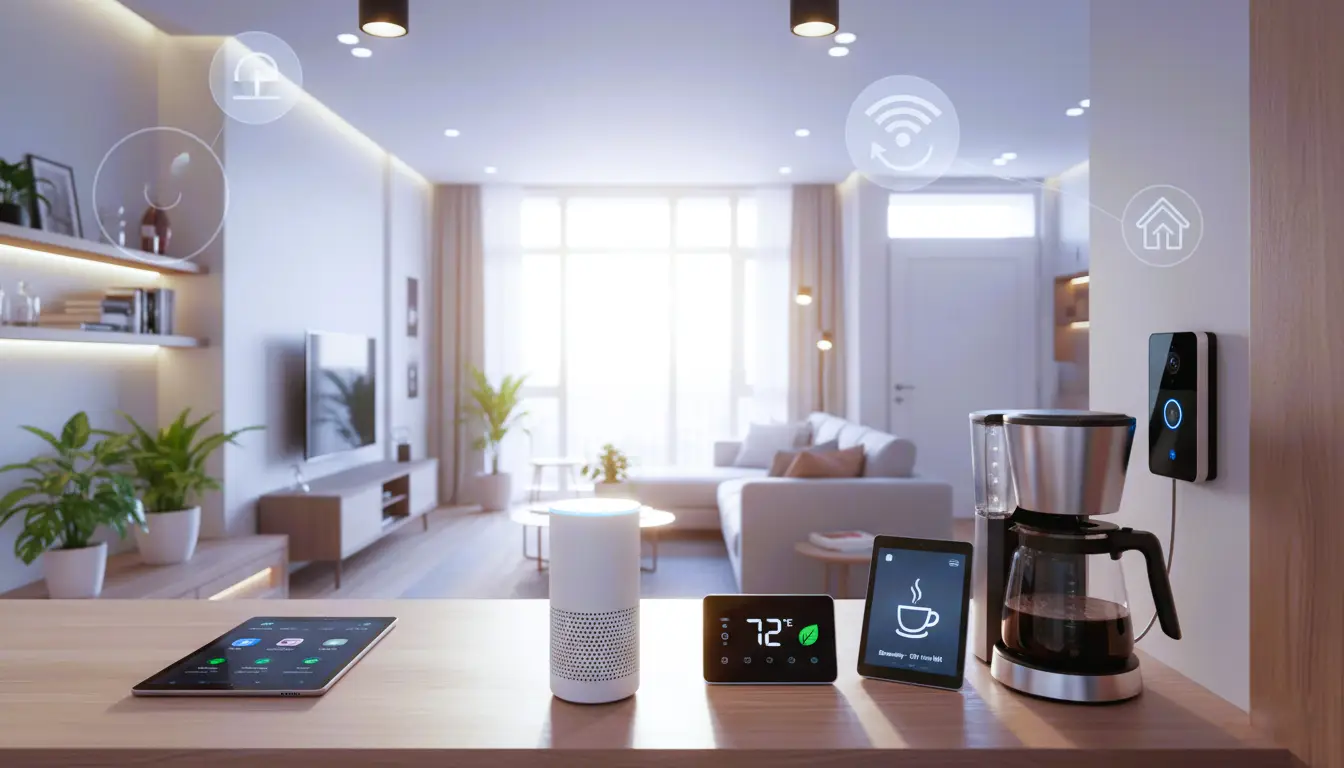
When I first explored home automation, I assumed one voice assistant would be sufficient. Fast forward to today, and my locks, thermostat, lighting, and even my coffee maker are interconnected. Truth be told, that coffee machine is more capable than I am before 8 a.m.
That’s the power of home control devices. They streamline everyday routines, enhance security, and boost comfort. But with endless options on the market, how do you know what’s worth your investment?
In this guide, I’ll take you through the best control devices for every area of your home, sharing my experiences, tips, and insights. Whether you want more peace of mind at the front door, a cozier bedroom, or a kitchen that saves you time, there’s something here for you.
How Smart Home Automation Devices Work Together
What makes smart home automation devices truly valuable isn’t any single feature—it’s how well everything works as a system. Behind the scenes, most setups rely on a mix of Wi-Fi, Bluetooth, and cloud-based apps to keep devices in sync. To the user, though, all of that complexity fades into the background. You tap a button, speak a command, or follow a schedule, and the home responds.
Once devices start communicating across rooms, everyday routines become noticeably smoother. Lights can adjust based on the time of day, temperature settings can respond to occupancy, and security alerts can trigger other actions automatically. Instead of managing each product individually, you begin interacting with your home as a unified environment.
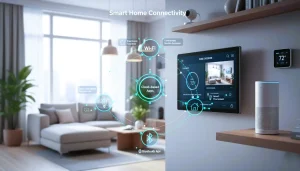
This is where centralized dashboards and automation routines shine. Managing everything from one place reduces friction and eliminates the need to juggle multiple apps. Over time, these small efficiencies add up. The home feels less like a collection of gadgets and more like a responsive space that quietly adapts to how you live.
Front Yard & Entryway: Your First Line of Control
The entrance sets the tone for your entire home. Modern control devices can add significant security and convenience here.

Essential Devices for Entryways
Security Cameras – Today’s cameras offer high-resolution footage, night vision, motion alerts, and cloud or local storage. Arlo and Eufy deliver strong options that balance affordability with features.
Video Doorbells – Whether it’s a package delivery or a surprise guest, these gadgets keep you in the loop. They allow you to see and talk to whoever’s at your door, even if you’re halfway across the world.
Door Locks with App Access – Forget key hunting. Choose locks with fingerprint scanners, PIN pads, or phone-based entry. Many can auto-lock when you leave.
Privacy Glass Doors – Switchable glass lets sunlight in but maintains privacy at the tap of a button.
Full Security Systems – If you want maximum protection, go for systems like ADT (professionally monitored) or DIY setups like SimpliSafe.
Tip: Connect locks, doorbells, and lights to routines. For instance, unlock the door → hallway light turns on automatically.
Related: If you’re curious about how these devices connect across platforms, check out my full guide on smart home automation devices for deeper insights.
Living Room: Comfort Meets Command
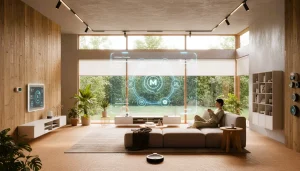
Living rooms are the social and entertainment hubs of a home. It makes sense to use technology here for both comfort and control.
Temperature control is another big win—check out my detailed [Ecobee smart thermostat review] to see how these devices balance comfort and energy savings.”
Devices Worth Considering
Voice Assistants with Displays – Think of these as your command center. Echo Show, Nest Hub, or Apple HomePod Mini allow you to control devices, play music, or even check recipes while you relax.
Connected Lighting – Replace switches or bulbs with app-controlled options like Philips Hue or Kasa. Adjust colors, dim lights, or schedule routines for movie nights.
Climate Controllers – Devices like Nest Learning or Ecobee adapt to your habits, reducing bills while keeping you comfortable.
Smart Plugs – Plug in any ordinary lamp or fan, and suddenly it’s app-controlled. Great for starting small without overhauling your home.
Indoor Cameras & Pet Cams – I’ll admit, I’ve streamed my dog’s antics more often than I’d like to admit. A well-placed camera gives peace of mind when you’re away.

Pro Tip: Group multiple devices into “scenes.” For example, create a “movie night” scene that dims lights, lowers blinds, and sets the thermostat.
Kitchen: Smarter Cooking & Cleaning
The kitchen is where everyday convenience truly shines. Devices here save time, reduce effort, and sometimes even improve your cooking skills.
Must-Have Gadgets
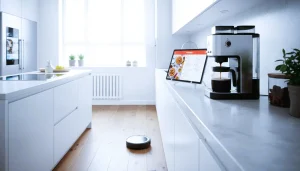
Displays with Recipe Guides – Mount a Nest Hub or Echo Show for step-by-step cooking help, timers, and quick conversions.
Connected Ovens & Coffee Machines – From Tovala ovens that auto-cook meals to xBloom coffee machines that brew perfect cups, the options are endless.
Robotic Vacuums & Mops – Because let’s face it—cleaning crumbs after cooking is never fun.
Motion-Activated Trash Cans – Hygienic and handy, especially when your hands are messy.
Plug-Connected Appliances – Add a plug to your kettle or slow cooker for scheduled brewing and meals ready on time.
Original Idea: Use voice assistants to manage your grocery list. Say “add milk” while pouring cereal, and it syncs instantly with your phone.
Bedroom: Rest, Relax, Recharge
Your bedroom should be the calmest space in your house. Control devices here help improve sleep, relaxation, and even your health.
Bedroom Upgrades
Adjustable Beds & Toppers—Control firmness, monitor sleep cycles, or even warm the bed on cold nights.
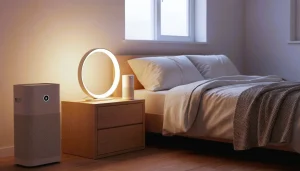
Air Conditioners & Purifiers—Keep air clean and climate comfortable without getting out of bed.
Sunrise Lamps—Mimic natural light for a gentler wake-up. Great for gloomy winter mornings.
Compact Speakers & Displays – Small bedside assistants can control lights, alarms, and more.
Baby Monitors with Tracking—For parents, these offer peace of mind by monitoring both video and breathing patterns.
Because nothing ruins rest faster than lying awake, wondering if you forgot to lock the door.
Bathroom: Smarter Mornings
Yes, even the bathroom can benefit from automation. It’s about hygiene, comfort, and efficiency.
Notable Devices
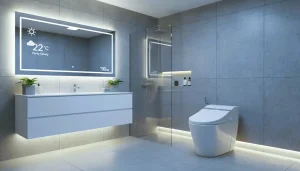
High-Tech Toilets & Bidets – Heated seats, bidets, built-in lights, and even self-cleaning features. Kohler leads in this space.
Automated Showers – Pre-set water temperature and flow before stepping in.
Mirrors with Lighting & Displays – Check the weather, time, or even news headlines while brushing teeth.
Health Scales – Track weight, muscle mass, and hydration levels with connected apps.
Electric Toothbrushes – Some models even provide brushing guidance through apps.
Extra Idea: Add a motion-activated nightlight to avoid switching on blinding lights during midnight trips.
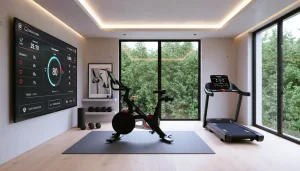
Home Gym: Smarter Workouts
Fitness meets tech here, and the results are impressive.
Best Devices
Connected Bikes – Peloton, SoulCycle, and Echelon offer interactive workouts.
Rowing Machines with Scenic Workouts – Transport yourself to rivers or open waters while rowing.
Automated Treadmills – Track metrics, adjust incline, and follow guided programs.
Strength Systems with Feedback – Tonal and Tempo act like virtual trainers, correcting your form.
Pro Tip: Pair your workout devices with a voice assistant for hands-free control of playlists and timers.
Garage & Outdoors: Extending Control Beyond Walls
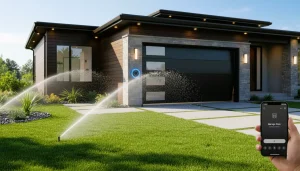
Home automation doesn’t end at the front door. Garages and outdoor areas can benefit just as much from smart control, adding convenience, security, and efficiency to spaces that are often overlooked. With the right devices, you can manage access, maintenance, and outdoor comfort without being physically present.
App-controlled garage doors allow you to open or close your garage remotely, making it easy to grant access to family members or delivery drivers while you are away. Automated sprinkler systems adjust watering schedules based on real-time weather, helping maintain a healthy lawn while reducing water waste. Outdoor plugs and lighting simplify patio setups, landscape lighting, and seasonal decorations, all managed from your phone or through voice commands.
Connected grills and smart thermometers take the guesswork out of outdoor cooking by sending alerts when food reaches the ideal temperature. Robotic mowers and automated bug-control devices handle routine yard work, keeping outdoor spaces tidy and comfortable with minimal effort. Together, these tools extend smart control beyond your walls and make outdoor living more manageable year-round.
Choosing the Right Home Control Device
With so many options available, choosing the right home control device can feel overwhelming. The first thing to consider is compatibility. Make sure the device works with platforms like Alexa, Google Assistant, Siri, or Matter so it fits smoothly into your existing setup. Budget also matters. Starting with simple items such as smart plugs or bulbs lets you test automation without a big investment. Ease of setup is another key factor. Devices with intuitive apps and clear instructions save time and frustration. Finally, privacy and security should never be overlooked. Regular firmware updates and strong passwords help keep your system protected.
Personal Insight: The most valuable devices are the ones you use every day. Instead of buying everything at once, focus on areas where you’ll notice an immediate benefit.
Benefits of Home Control Devices
Home control devices are designed to make everyday life easier. Automations handle repetitive tasks for you, saving time and reducing daily effort. With smarter control over lighting and temperature, energy use becomes more efficient, which can help lower utility bills. Security features like cameras, locks, and sensors add peace of mind, whether you’re home or away. Overall, these tools improve comfort by quietly removing small stresses from your routine.
Challenges & Considerations
Home control devices can make life easier, but they aren’t without drawbacks. Not every gadget works smoothly with others, which can lead to frustration if you mix brands without checking compatibility. A stable internet connection is also crucial, since many features stop working when Wi-Fi drops. Privacy deserves attention too, especially with devices that listen or watch, so taking time to adjust settings is important. Finally, costs can add up quickly, so starting with the most useful devices helps avoid overspending.
Future Trends
Smart home technology is evolving quickly, with new features focused on making everyday life easier and more efficient. Artificial intelligence is allowing devices to learn routines and respond automatically, reducing the need for manual control. At the same time, energy efficiency is becoming a major priority, helping homeowners manage power usage while supporting sustainability goals. Compatibility is also improving, as standards like Matter make it easier for products from different brands to work together. Looking ahead, health and wellness integrations are expected to expand, bringing smarter monitoring and added peace of mind into the connected home.
Smart Home Automation Switches: The Simplest Upgrade
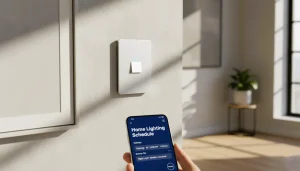
For anyone new to automation, smart home automation switches are often the most practical place to start. Unlike bulbs or standalone gadgets, switches work behind the scenes while keeping the familiar feel of a traditional wall control. You still flip a switch as usual, but now it also supports schedules, remote access, and automation routines.
This approach works especially well in high-traffic areas like hallways, bedrooms, and shared living spaces. Guests don’t need instructions, and family members don’t have to learn a new app just to turn on a light. At the same time, you gain the ability to control lighting from your phone, set timers, or integrate it into broader routines.
From a safety and convenience standpoint, switches offer long-term value. They can prevent lights from being left on accidentally, support hands-free control when paired with voice assistants, and maintain consistent behavior even if someone changes a bulb. It’s a subtle upgrade, but one that often delivers immediate, everyday benefits without disrupting how the home already functions.
Do You Need a Smart Home Automation Hub?
As your setup grows, you may start wondering whether a smart home automation hub is necessary or just another layer of complexity. At its core, a hub acts as a central coordinator, allowing multiple devices to communicate more reliably and follow shared rules. Instead of each product operating independently, the system begins to function as a connected whole.
For smaller homes or starter setups, direct connections through Wi-Fi or Bluetooth are often enough. Many devices work perfectly well on their own, especially when automations are simple. However, once routines span multiple rooms or involve different device types, centralized control becomes noticeably helpful. It reduces delays, minimizes app switching, and keeps automations consistent.
That said, a hub isn’t mandatory for everyone. The decision usually comes down to scale and preference. If your goal is basic convenience, you may never need one. But if you want smoother automations, fewer compatibility headaches, and a more organized system as your home evolves, a central controller can quietly make everything feel more dependable.
Why Matter Smart Home Devices Are Changing Everything
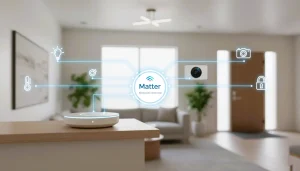
One of the biggest frustrations in home automation has always been compatibility. Products from different brands often require separate apps, workarounds, or compromises. This is where Matter smart home devices are making a meaningful difference. The standard was created to help products communicate more reliably across ecosystems, reducing friction for everyday users.
Instead of locking you into a single brand, this approach allows devices to work together more smoothly, regardless of the platform you prefer. Setup becomes simpler, connections feel more stable, and long-term usability improves. For homeowners, this means less time troubleshooting and more confidence when adding new devices later.
From a long-term perspective, support for this standard also helps protect your investment. As platforms evolve and new products enter the market, compatibility remains a priority rather than an afterthought. For anyone building or expanding a connected home today, choosing products that align with this shift makes future upgrades far less stressful.
Choosing the Right Setup Based on Your Lifestyle
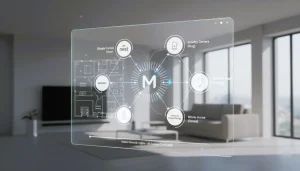
The most effective automation setups are the ones designed around real habits, not trends. A small apartment has very different needs than a multi-room house, and a setup that works for a single person may fall short for a family or pet owners. Before adding new devices, it helps to think about where convenience would make the biggest daily difference.
Lifestyle plays a major role in shaping a connected home. Parents may prioritize monitoring and safety features, while remote workers often focus on comfort and productivity. If you travel frequently, security and lighting routines can offer peace of mind. The goal is to build a system that quietly supports your routine rather than demands constant adjustment.
Budget matters just as much as layout. Expanding gradually allows you to learn what works before committing further. Starting with a few reliable essentials and adding new tools over time leads to a more balanced setup and fewer unused gadgets. Thoughtful planning almost always delivers better results than trying to automate everything at once.
Common Mistakes to Avoid When Expanding Your Smart Home
As automation setups grow, it’s easy to fall into the trap of adding devices faster than the system can realistically support. One of the most common issues is buying products without checking compatibility first. Even well-reviewed devices can create frustration if they don’t integrate smoothly with what you already use.
Another frequent mistake is over-automation. While routines are helpful, too many rules can make a home feel unpredictable instead of intuitive. When lights change unexpectedly or devices trigger at the wrong time, convenience quickly turns into annoyance. Simple automations that mirror real habits tend to work far better than complex setups that try to anticipate every scenario.
Privacy and maintenance are often overlooked as well. Skipping firmware updates or using weak passwords can expose connected devices to unnecessary risk. Cameras, microphones, and sensors deserve careful configuration from the start. A well-managed system isn’t just smart—it’s secure, reliable, and easy to live with over time.
Frequently Asked Questions (FAQ)
- What’s the easiest smart home device to start with?
Smart plugs or bulbs—they’re affordable and simple to install. - Do I need a hub?
Not necessarily. Many devices connect directly via Wi-Fi.
- Which ecosystem is best: Alexa, Google, or Apple?
Choose based on your devices and priorities: Alexa for variety, Google for search, Apple for privacy. - Are smart home devices secure?
Yes, if you keep firmware updated and use strong passwords. - Can devices from different brands work together?
Yes—especially if they support Matter or a central hub like SmartThings. - What’s the best entry-level device?
Plugs or bulbs—they’re inexpensive and easy to install.
- Can I use multiple home control devices together?
Yes, especially if they support Matter or a central hub like SmartThings.
Building a Home That Works for You
Home automation isn’t about owning the flashiest gadgets—it’s about creating a space that quietly supports your daily life. The true value lies in tools that simplify routines, enhance comfort, and provide peace of mind without requiring constant attention. Whether it’s locking doors automatically, adjusting the thermostat, or brewing your morning coffee before you’re fully awake, these small improvements add up.
The best setups are those that fit our lifestyle. Start small, focus on devices you’ll interact with every day, and expand thoughtfully. Overbuying or chasing every new feature can quickly turn convenience into clutter. Instead, prioritize tools that genuinely make life simpler and more enjoyable.
At the end of the day, the goal isn’t building the “smartest” home it’s building the most livable one. By planning carefully, selecting compatible devices, and keeping routines intuitive, you create a connected home that feels natural, responsive, and tailored to your lifestyle.