
Best Trailer Tires: Top Picks for Durability
Trailer Tires: Why the Right Choice Matters
Trailers rely on strong, reliable tires to move safely and smoothly, whether they’re hauling cargo, boats, or equipment. Therefore, choosing the right trailer tire is essential, as it affects handling, load capacity, and overall safety on the road.
Premium trailer tires come in various types, each designed with specific features to suit different needs. For example, some are built for long-distance highway travel, while others are made for rough terrain or heavy loads. By understanding these differences, you can ensure better performance and a safer towing experience.
Now, let’s explore the best trailer tire options and what makes them stand out.
Why Good Trailer Tires Matter
The Importance of Strong Tires for Trailers
Trailers often carry heavy loads, so they require strong, durable tires to handle the weight safely. As a result, having good-quality tires is essential, not just for performance, but also for safety.
In addition, reliable tires help keep trailers stable on the road, reducing the risk of swaying or tipping, which can lead to accidents. Moreover, quality tires wear down more slowly, meaning they last longer and need to be replaced less often. Over time, this durability translates to cost savings. Instead of spending money on frequent replacements, you can rely on well-made tires that deliver long-term value.
Types of Trailer Tires
Types of Trailer Tires: What You Need to Know
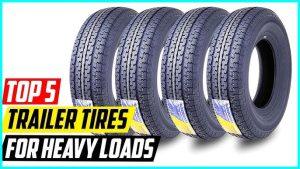
Top trailer tires come in different types, each designed for specific purposes. Here are three main categories to consider:
-
Radial Tires: These tires are known for their strength and long lifespan. In addition, they offer a smoother ride on paved roads, making them ideal for long-distance travel.
-
Bias Tires: On the other hand, bias tires are more affordable and suitable for shorter trips. Despite their lower cost, they can handle heavy loads effectively, especially in off-road conditions.
-
Specialty Tires: Finally, specialty tires are built for unique conditions. For example, some are designed for rough terrain, while others perform better in wet or slippery environments.
Ultimately, each type has its pros and cons. To make the best choice, consider how and where you’ll be using your trailer.
Key Features to Consider
Looking for trailer tires? Key Features to Consider
If you’re shopping for trailer tires, it’s important to focus on the features that matter most. To help guide your decision, consider the following:
| Feature | Description |
|---|---|
| Load Capacity | How much weight can the tire safely carry? |
| Tread Pattern | Does it provide good grip and stability on roads? |
| Durability | Will the tire hold up over time and resist wear? |
| Price | Is it budget-friendly without compromising quality? |
In conclusion, thinking carefully about these features will help you choose a tire that meets your needs for safety, performance, and value.
Top Trailer Tire Brands
When it comes to trailer tires, many manufacturers compete in the market. However, some brands stand out for their reputation and quality. Below are a few top brands known for producing reliable trailer tires:
-
Goodyear is renowned for its durability and long-lasting performance. Goodyear tires are ideal for heavy-duty use and extended road travel.
-
Michelin—Known for offering a smooth and stable ride, Michelin focuses on comfort without sacrificing reliability.
-
Carlisle A trusted name for rugged performance, Carlisle tires are especially well-suited for rough terrains and off-road conditions.
-
Maxxis— Recognized for strength and dependability, Maxxis tires are built to handle high loads and demanding environments.
In summary, each brand has its strengths and specializations. Therefore, it’s important to choose a brand that aligns with your specific towing needs and driving conditions.
How to Maintain Trailer Tires
Maintaining your trailer tires is essential, as it not only extends their lifespan but also ensures safety on the road. To keep your tires in top condition, consider these simple maintenance tips:
-
First, check air pressure regularly to make sure it’s within the recommended range.
-
Next, inspect the tires for any cuts, punctures, or visible damage.
-
Additionally, rotate the tires periodically to promote even wear.
-
Finally, clean the tires to remove dirt and debris that can cause deterioration over time.
By following these steps consistently, you can help prevent tire failure, improve performance, and enjoy safer, more reliable towing.
Common Tire Problems
Like any other part of a vehicle, trailer tires are subject to wear and tear over time. That’s why it’s important to understand the most common tire issues so you can catch them early and take action before they become serious.
- Flat Tires: Flat tires are a frequent problem, usually caused by punctures from nails, glass, or other sharp objects. These can lead to sudden stops and pose safety risks on the road.
- Worn Tread: Worn tread is another issue that develops with prolonged use. When tread depth gets too low, tires lose their grip, especially in wet or slippery conditions.
- Cracks: Cracks often appear due to aging rubber or exposure to extreme temperatures. These cracks can compromise the tire’s structure and may eventually result in blowouts.
- Uneven Wear: Uneven wear usually points to poor alignment or unbalanced loads. This not only reduces tire life but also affects the stability and handling of your trailer.
Know these problems. They help with quick fixes.

Choosing the Right Size
Why Size Matters: Choosing the Right Trailer Tire
When selecting trailer tires, size matters more than you might think. To begin with, the right tire size ensures better performance, stability, and safety on the road. For example, properly sized tires help distribute weight evenly and improve handling.
To find the correct size, start by checking your trailer’s manual—it will list the recommended specifications. If you’re unsure, you can also consult a tire expert or mechanic for guidance.
In the end, choosing the right size tire isn’t just a technical detail—it’s a key factor in safe and efficient towing.
Trailer Tires for Different Conditions
Trailers travel in different conditions. Tires should match the condition. Here are some conditions:
- Wet Roads: Need tires with good grip.
- Rough Terrains: Need strong tires.
- Hot Weather: Need heat-resistant tires.
Choose tires based on conditions. It ensures smooth travel.
Tips for Buying Trailer Tires
Buying tires can sometimes feel tricky, but with a few simple tips, you can make a smart choice. First, research different brands and tire types to find what suits your needs best. Next, consider your budget to balance cost with quality. It’s also helpful to read reviews from other users to learn about real-world performance. Finally, don’t forget to check warranty offers, which can provide peace of mind and protect your investment.
Following these steps will help you select the right tires confidently and get the best value for your money.
Final Thoughts
Choosing the best trailer tires is crucial for both safety and cost savings. Good tires not only keep your trailer secure on the road but also help you avoid frequent replacements. To make the right choice, be sure to consider important features such as tire types and trusted brands. Proper maintenance is also key to extending tire life. By following smart buying tips and caring for your tires well, you’ll ensure your trailer runs smoothly and reliably for years to come.
Frequently Asked Questions
What Are The Best Trailer Tire Brands?
Popular brands include Goodyear, Michelin, and Carlisle. They offer durability and quality for towing needs.
How Do I Choose the Right Trailer Tires?
Check load capacity, size, and tread design. Match them to your trailer’s specifications for safety.
Can Trailer Tires Affect Fuel Efficiency?
Yes, proper inflation and tread design can improve fuel efficiency by reducing rolling resistance.
How Often Should Trailer Tires Be Replaced?
Typically, every 3 to 5 years. Regular inspections for wear and damage are crucial.


