
Car Seat Protector for Families and Pets.

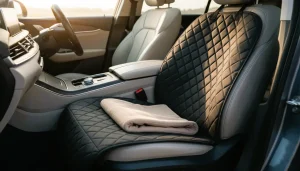
Car Seat Protectors Keep Your Seats Clean and Safe. Keep your car seats spotless and protected from spills, dirt, and wear with a durable, easy-to-clean car seat protector that fits any vehicle. I’ve spent enough time cleaning car interiors to know this: no matter how careful you think you are, the seats always tell a different story. Crumbs, pet fur, coffee spills, and sticky fingerprints find their way in. That’s when I realized something simple but game-changing: using a seat protector can save both your sanity and your upholstery.
Why Car Seat Protectors Matter More Than You Think
I used to believe a quick vacuum and some wipes were enough. Then came road trips, spilled juice boxes, and a muddy golden retriever. Let’s say I changed my mind fast. The Car Seat Protector is simply a layer of fabric, rubber, or composite that guards your vehicle’s seat from daily wear. It helps reduce damage from spills, fading, scratches, and pressure marks caused by child seats or heavy gear.


But here’s the real reason it matters: it saves you from permanent damage. A single stain can ruin leather or cloth fibers beyond repair, especially when moisture soaks in. Replacing or reupholstering seats is expensive. A simple protective layer can prevent that headache completely. And honestly, who doesn’t want to sit on something clean?
The Truth About Safety and Child Seats
If you’re a parent, you’ve probably seen debates about using mats under child car seats. Some swear by them; others avoid them completely. So, what’s the truth? Here’s what I’ve learned: not every car seat protector is safe to use under a child restraint. Many safety experts warn that adding any cushion or grippy material can alter the seat’s secure installation.
When a child seat is designed, it’s tested on a bare vehicle seat. Adding anything in between can introduce small gaps. Those tiny spaces might loosen the fit over time, and that could reduce crash safety. But before you panic and toss your child’s car seat protector, check the child seat manual. Some brands do allow specific protectors, often their own models. Others recommend using a thin towel or blanket instead.

If your manufacturer gives the green light, keep these rules in mind:
- Choose a thin, stable mat. Avoid thick padding.
- Never use rubber or silicone textures that could “fake” tightness.
- Check the seat tightness regularly; it should not move more than an inch from side to side.
The Case for Car Seat Protectors (When Done Right)
Now, assuming your car seat allows one, here’s why I absolutely love these things:
- They prevent indentations from heavy child seats.
- They protect against juice box explosions and snack storms.
- They save your sanity when cleaning up after kids or pets.
- They help maintain your car’s resale value (because let’s face it, “stained with mystery goo” doesn’t sound appealing to buyers).
I personally like using Car Seat Protector made from polycotton twill fabric with a water-repellent finish. This combo stands up well to spills and crumbs without feeling plasticky. A thin nylon lining underneath adds an extra barrier. If you’ve got pets or kids, this setup is practically magic. Just make sure it fits snugly and doesn’t slip around when you move the seat.
Different Kinds of Car Seat Protectors
Over time, I’ve tried everything from budget-friendly mats to heavy-duty covers. Each has its own perks, depending on how you use your car.
-
Basic Seat Mats
These are thin, non-slip protectors made for child seats or pet carriers. They’re easy to clean and don’t take up space. They’re great if your main goal is to prevent scratches or dents rather than full spill protection.

-
Full Seat Covers
If you’re going for complete coverage, full seat sets are the way to go. They wrap around the entire seat front, back, and headrest, giving the cabin a clean, unified look. I’ve shared a few of my thoughts about them here. These are perfect for family cars, rideshares, and anyone who wants a cleaner aesthetic (or to hide the signs of past messes).

-
Heavy-Duty Covers
Work trucks, adventure vehicles, or pet owners, this one’s for you. Brands like Carhartt make durable covers that handle mud, tools, and even sharp claws. They’re not soft and delicate, but they’re nearly indestructible.

-
Slipcovers for Infant Seats
Parents love these for one reason: they’re easy to clean and replace. These thin layers go directly on the child seat, keeping it fresh between washes. Just make sure yours is compatible with your baby seat model.

How to Choose the Right Protector
When I shop for seat protection, I look beyond looks. I ask myself: what mess am I actually dealing with?
Here’s my quick checklist:
- Purpose: Is it for kids, pets, or just daily protection?
- Material: Do I want waterproof or breathable fabric?
- Maintenance: Can I throw it in the washing machine?
- Fit: Does it match the shape of my seats?
If you have leather seats, pick a protector that doesn’t trap moisture. For fabric interiors, choose a material that blocks stains but doesn’t feel plastic-like. I personally prefer using a polycotton fabric with a water-resistant lining that is strong enough to withstand spills but still comfortable to sit on. For family cars, I always recommend a mat that stays in place with a non-slip backing and sturdy straps.
And please, check for side airbags in your seats. If a cover blocks an airbag, that’s a no-go. Some protectors have built-in slots or stitching designed to split safely during airbag deployment; those are the smart choices.
Installation Tips (That Actually Matter)
I used to think installing seat protectors was foolproof. Then I learned how many people do it wrong — including me, the first time.
Here’s how to do it right:
- Lay the protector completely flat. Folds or bumps can interfere with proper seat contact.
- Secure straps firmly, but don’t over-tighten; you don’t want tension points.
- Make sure belts, anchors, and buckles are fully accessible.
- If you’re installing under a child seat, test the base for movement after securing it.

It takes five minutes, and that’s five minutes that can prevent years of wear or worse, a safety issue.
The Materials That Work (and the Ones That Don’t)
Not all protectors are created equal. The type of material you pick will determine how well it performs and how long it lasts. Here’s a breakdown from my own experience:
- Polycotton Twill: My go-to for balance. Soft, durable, and easy to clean.
- Canvas: Great for heavy-duty protection. Think muddy boots and dog paws.
- Leatherette: Stylish and simple to wipe clean, but it can heat up in summer.
- Neoprene: Flexible and water-resistant, ideal for active lifestyles.
- Vinyl: Affordable and waterproof, but it can feel sticky.

Avoid ultra-thick foam inserts or textured rubber mats unless your seat manual says they’re allowed. They may look sturdy, but they can cause fitting issues.
Common Myths About Car Seat Protectors
Let’s clear a few up while we’re here:
- “All protectors are unsafe.” Not true, the right model with manufacturer approval can be perfectly fine.
- “Thicker means better.” Actually, no. Thinner is often safer for car seat stability.
- “One size fits all.” I wish! Always check your vehicle type before buying.
It’s amazing how often I see people buy universal protectors that don’t fit properly. A poor fit can shift, wrinkle, and end up being more hassle than help.
Cleaning and Maintenance (Because Things Happen)
No matter how “stain-proof” a protector claims to be, life finds a way. The good news? Cleaning them is simple. Most fabric-based protectors can be machine-washed. I prefer using a mild detergent and air-drying them to maintain shape. If it’s a heavy or waterproof cover, a damp cloth and light soap do the job.

Don’t forget the area under the protector. Lift it every few weeks and vacuum underneath. You’ll be surprised at what you find hiding there (looking at you, old French fry). For pet owners, sprinkle a little baking soda under the mat before long trips. It helps control odor without harming fabrics.
Design, Fit, and Little Details That Make a Big Difference
Fit is more than aesthetics; it’s about comfort and safety. A poorly fitted protector can slide, bunch, or wrinkle, all of which make seats uncomfortable and unsafe. Some protectors have adjustable inserts that mold to your seat’s shape. I prefer semi-custom options. They’re not too specific (which makes them expensive) but fit better than “universal” ones that try to suit every car on the planet.
Also, keep an eye out for color accuracy. Product photos online can be misleading. I’ve received “beige” protectors that looked more like mustard. Always check reviews and user-uploaded images before buying.
When You Should Skip a Car Seat Protector
I know that sounds odd coming from someone who promotes them, but yes, there are times when I say “don’t bother.”
Skip it if:
- Your car seat manufacturer explicitly forbids them.
- You have a brand-new child seat that hasn’t been tested with one.
- You’re only using it for looks rather than practical protection.
Safety should always outweigh convenience or aesthetics.
Real-World Scenarios (From Experience)
Let me share a few examples from my own experience and clients I’ve worked with:
- The Family Van: They used a thick rubber protector under a baby seat. It looked secure, but after a few months, the seat was actually loose because the mat compressed. They replaced it with a thin, approved version; problem solved.
- The Pet Owner: A friend of mine installed a heavy canvas cover in her SUV. It protected her seat from fur and claws, but covered the seatbelt slot. After adjusting it and cutting a proper opening, she got both safety and cleanliness.
- The Daily Commuter: A client used fabric protectors on her leather seats but didn’t remove them for months. The trapped moisture left marks on the leather. We switched to a breathable polycotton model, no more damage.

Each situation taught me that a seat protector is only as good as its fit and care.
Extra Tips for the Perfect Setup
Here are a few final tweaks I always follow:
- Recheck installation monthly. Seat materials compress over time.
- Rotate the position. If possible, shift your seat or mat slightly every few months to prevent permanent dents.
- Avoid colored towels or fabrics underneath. Dyes can transfer in heat.
- Keep a small lint roller in the car. It’s a quick fix for hair and crumbs.
And yes, if your passengers include toddlers, dogs, or snack enthusiasts, accept that “clean” is a relative term. You’re maintaining, not achieving perfection.
A Quick Word About Airbags and Straps
If your car has side-impact airbags embedded in the seats, double-check before installing covers or protectors. You never want straps or fabric to interfere with airbag deployment. Safety always wins, even if it means skipping a fancy cover.
Also, note that vehicles with a center seatbelt may lose access to it once a protector or cover is installed. That’s not a flaw, it’s just part of the design. Always read the fine print before purchase.
So, Are Car Seat Protectors Worth It?
In my opinion, yes, absolutely. But with a little asterisk: only if used correctly.
The Car Seat Protector protects your investment, makes cleaning easier, and keeps your car looking good. Just stay mindful of the compatibility with your car seat setup.
The ultimate goal isn’t a spotless backseat; it’s a safe one.
Comfort, Cleanliness, and Common Sense
After years of trial, error, and a few sticky mishaps, here’s my honest take: seat protectors are worth it when chosen wisely.
They keep interiors looking newer, reduce long-term wear, and make cleanup less painful. Just don’t forget the basics: safety, fit, and care.
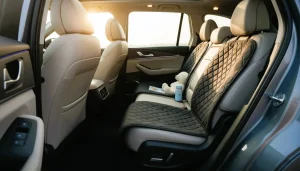
If you’re shopping for one, start by checking your vehicle manual, then pick a protector that matches your real lifestyle, not the ideal one you wish you had. Whether it’s a single mat for your child’s seat or a full set of covers for the family car, the goal is simple: Car Seat Protect your investment without sacrificing comfort or safety. And yes, one day you’ll thank yourself when you realize your seat survived that milkshake spill unscathed.


