Dog Food Skin Allergies Support for Healthy Coat

Dog food-related skin allergies are among the most common causes of itching, redness, rashes, and chronic discomfort in dogs. Choosing the right dog food for skin allergies can reduce inflammation, repair the skin barrier, and prevent recurring flare-ups.
This guide explains the best ingredients, top veterinary-recommended brands, homemade options, allergy symptoms, and how long recovery takes, so you can make an informed decision for your dog’s long-term skin health.
Common Causes Of Skin Allergies In Dogs
Skin allergies in dogs cause itching, redness, and discomfort. Many dogs suffer from these allergies. Understanding common causes helps choose dog food for skin allergies. It also aids in managing symptoms effectively.
Environmental Allergens
Dust, pollen, mold, and grass can trigger skin allergies. Dogs sniff and play outside. These allergens stick to their fur and skin. This causes irritation and itching. Some dogs are more sensitive than others.
Food Allergies
Certain ingredients in dog food can cause allergies. Common culprits include beef, chicken, dairy, and grains. Allergies may develop at any age. Symptoms often show as skin problems. Choosing the right food is key to relief.
Flea Allergy Dermatitis
Flea bites cause allergic reactions in some dogs. Even a few flea bites can cause severe itching. Flea allergy dermatitis leads to hair loss and sores. Preventing fleas helps reduce skin allergies.
Contact Irritants
Chemicals in shampoos, cleaning products, or plants can irritate skin. Dogs may scratch or lick affected areas. This worsens skin problems. Avoiding irritants helps keep skin healthy.


Key Ingredients To Look For In Dog Food
Choosing the right dog food helps manage skin allergies effectively. Certain ingredients soothe irritation and boost skin health. Some nutrients reduce inflammation and support the immune system. Knowing what to check on the label saves time and helps your dog feel better.
Omega-3 And Omega-6 Fatty Acids
These healthy fats reduce skin inflammation and dryness. They improve coat shine and help heal irritated skin. Fish oil and flaxseed are common sources of these fatty acids. Including them in your dog’s diet promotes a soft, healthy coat.
Limited Ingredient Proteins
Proteins like duck, venison, or lamb cause fewer allergic reactions. Limited ingredient diets avoid common triggers such as beef or chicken. This helps identify and prevent food allergies. Simple protein sources ease digestion and skin problems.
Natural Antioxidants
Vitamins C and E help safeguard the skin cells from harm. They support the immune system and reduce redness. Fruits and vegetables provide these antioxidants naturally. A diet rich in antioxidants helps dogs fight skin allergies better.
Probiotics
Probiotics improve gut health and boost immunity. A healthy gut reduces allergic reactions and skin issues. Yogurt, kefir, and special supplements add probiotics. These friendly bacteria support overall skin wellness.
Hypoallergenic Ingredients
Hypoallergenic foods avoid common allergens and irritants. Ingredients like rice, sweet potatoes, or peas are gentler on sensitive skin. These formulas reduce flare-ups and itching. They provide balanced nutrition without triggering allergies.
Comparison Table – Best Dog Food Types for Skin Allergies
| Food Type | Protein Source | Grain-Free | Best For | Vet Prescription Required | Key Benefit | Limitation |
| Limited Ingredient Diet (LID) | Single novel protein (duck, venison, salmon) | Sometimes | Mild to moderate skin allergies | No | Reduces ingredient exposure | May still trigger a reaction if the protein was used before |
| Hydrolyzed Protein Diet | Broken-down (hydrolyzed) protein | Yes | Severe or chronic allergies | Yes (often) | Minimizes immune response | Higher cost |
| Novel Protein Diet | Uncommon single protein | Sometimes | First elimination trial | No | Helps identify trigger protein | Requires strict feeding discipline |
| Grain-Free Formula | Varies (chicken, fish, lamb) | Yes | Suspected grain sensitivity | No | Removes common grain ingredients | Protein may still cause an allergy |
| Prescription Veterinary Diet | Hydrolyzed or novel | Yes | Confirmed food allergies | Yes | Clinically formulated | Limited availability without vet |
| Fresh / Gently Cooked Diet | Single whole protein | Usually | Owners preferring minimally processed food | Sometimes | High palatability | Needs careful ingredient control |
What To Consider When Buying Dog Food for Dogs With Allergies
Choosing the right dog food for allergies requires more than picking a popular brand. Focus on:
- Protein source – Novel proteins or hydrolyzed proteins reduce allergic reactions.
- Grain vs grain-free – Grains are not always the trigger; proteins matter more.
- Fatty acids – Omega-3 and omega-6 support skin health and reduce inflammation.
- Digestibility – Limited ingredient formulas or gentle proteins help sensitive stomachs.
- Veterinary guidance – Severe cases often require a prescription or professional oversight.
A careful evaluation ensures the diet effectively manages symptoms while supporting overall health.
Best Dog Food Skin Allergies – Targeted Options
Not all allergy-friendly dog foods work the same way. Some are better for yeast issues, while others support small breeds or sensitive stomachs. Choosing the right formula depends on your dog’s specific symptoms and nutritional needs.
Best Dry Dog Food for Skin Allergies
Dry food should contain:
- A single protein source
- Omega-3 fatty acids
- No artificial preservatives
- Minimal fillers
Kibble designed for allergy support often includes fish-based proteins or novel meats.
Best Dry Dog Food for Skin Allergies and Yeast Infections
Dogs prone to yeast issues benefit from:
- Low carbohydrate content
- No added sugars
- Probiotics for gut balance
- Fish oil for inflammation control
Controlling yeast requires reducing ingredients that feed fungal growth.
Best Dog Food for Skin Allergies Small Breed
Small breeds need:
- Smaller kibble size
- Higher nutrient density
- Controlled calorie intake
Skin-support nutrients should remain a priority.
Best Dog Food for Skin Allergies and Sensitive Stomach
For dogs with both digestive and skin issues, choose:
- Easily digestible proteins
- Prebiotics and probiotics
- Limited ingredient formulas
- No artificial additives
Supporting gut health often improves skin condition.

Top Dog Food Brands For Skin Allergy Relief
Certain brands focus on ingredients that reduce irritation and boost skin health. These foods often contain limited ingredients, fatty acids, and natural nutrients. They support a dog’s immune system and calm itchy skin.
Here are some top dog food brands trusted for skin allergy relief. Each brand uses special formulas to protect sensitive skin and improve overall coat condition. This guide will help find the best option for your dog’s needs.
Hill’s Prescription Diet Derm Defense
Hill’s offers a formula made for dogs with skin problems. It has antioxidants and omega-6 fatty acids. These ingredients help reduce inflammation and itching. The food uses high-quality proteins to avoid common allergens.
Hill’s Prescription Diet Derm Defense
Pros
- Clinically formulated for environmental skin allergies
- High omega-6 and antioxidant blend supports skin barrier
- Backed by veterinary research
- Proven anti-inflammatory nutrient profile
Cons
- Requires veterinary authorization
- Higher cost than OTC formulas
- Limited flavor options
Who Should Buy This?
- Dogs with diagnosed environmental allergies
- Chronic itching not responding to standard LID diets
- Owners working directly with a veterinarian
Who Should Avoid This?
- Dogs without a confirmed allergy diagnosis
- Budget-restricted households
- Mild cases are manageable with OTC limited-ingredient diets
Royal Canin Hydrolyzed Protein
Royal Canin uses hydrolyzed protein to prevent allergic reactions. This means the protein is broken down into tiny pieces. It is easier for dogs to digest and less likely to cause allergies. This food also supports skin barrier function.
Royal Canin Hydrolyzed Protein
Pros
- Hydrolyzed protein reduces immune response
- Highly controlled ingredient profile
- Strong clinical reputation
- Supports digestive and skin health simultaneously
Cons
- Prescription required
- Expensive long-term
- Palatability varies between dogs
Who Should Buy This?
- Dogs with confirmed food allergies
- Severe, persistent skin flare-ups
- Dogs failing novel protein trials
Who Should Avoid This?
- Dogs without verified food allergies
- Owners are unwilling to follow the strict elimination protocol
- Mild allergy cases

Blue Buffalo Basics Limited Ingredient
Blue Buffalo’s limited ingredient diet is simple and gentle. It contains a single protein source and no grains. This helps reduce the chance of allergic reactions. Adding omega-3 and omega-6 fatty acids improves skin and coat.
Blue Buffalo Basics Limited Ingredient
Pros
- Single animal protein source
- Grain-free option available
- No poultry by-product meals
- More affordable than prescription diets
Cons
- Not hydrolyzed
- May not work for severe allergies
- Multiple protein options require careful selection
Who Should Buy This?
- Dogs are starting their first elimination trial
- Mild to moderate food sensitivities
- Owners seeking OTC limited ingredient options
Who Should Avoid This?
- Dogs reacting to multiple proteins
- Severe chronic allergy cases
- Dogs needing hydrolyzed formulas
Natural Balance L.I.d. Ultra
Natural Balance focuses on limited ingredients and balanced nutrition. Their L.I.D. Ultra line avoids common allergens like chicken and corn. It includes novel proteins such as duck or salmon. These proteins support dogs with sensitive skin.
Natural Balance L.I.D. Ultra
Pros
- Simple ingredient list
- Novel protein choices
- Good digestibility profile
- Accessible and widely available
Cons
- Not prescription-strength
- Some formulas contain legumes
- Not ideal for complex allergy cases
Who Should Buy This?
- Dogs with suspected single-protein intolerance
- First-stage elimination diet trials
- Owners seeking balanced, limited-ingredient nutrition
Who Should Avoid This?
- Dogs with confirmed multi-protein allergies
- Dogs requiring hydrolyzed protein
- Advanced dermatology cases
Canidae Pure Grain-free
Canidae PURE uses a few select ingredients. This grain-free food has high-quality proteins and probiotics. It helps improve digestion and skin health. The simple recipe suits dogs with food sensitivities and allergies.
Pros
- Limited ingredient approach
- Added probiotics
- High-quality protein sources
- Good coat support nutrients
Cons
- Grain-free may not be necessary for all dogs
- Not suitable for severe immune-mediated allergies
- Protein still may trigger a reaction
Who Should Buy This?
- Dogs with mild skin sensitivity
- Owners preferring grain-free formulas
- Dogs needing digestive + skin support
Who Should Avoid This?
- Dogs with confirmed food allergies requiring hydrolyzed protein
- Cases where the protein trigger is unknown
Best Therapeutic Veterinary Dog Food for Dogs With Allergies
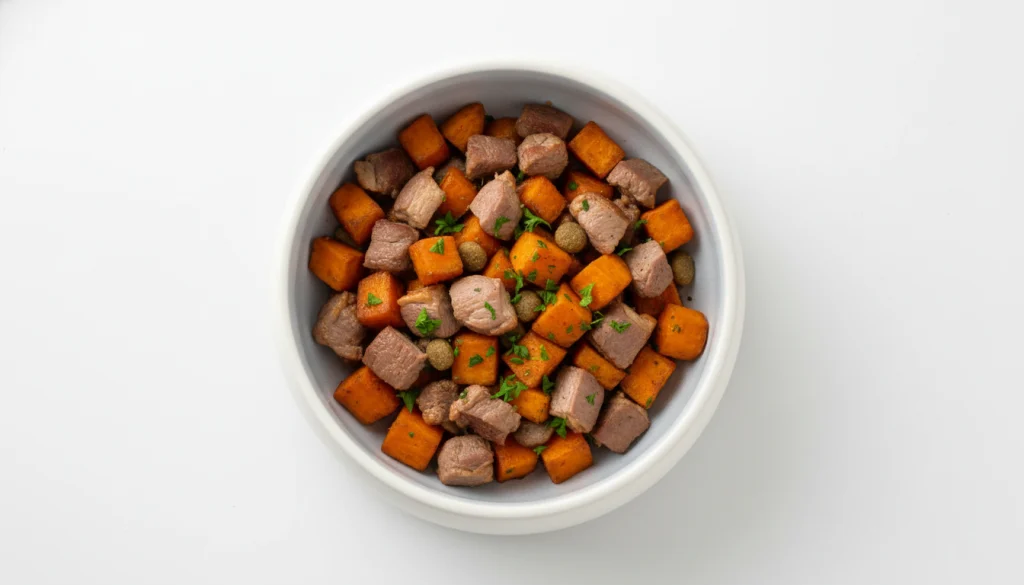
Prescription diets are often necessary for severe or chronic cases:
- Hydrolyzed protein formulas minimize immune reactions
- Veterinary supervision ensures nutritional balance during elimination trials
- Supports skin barrier repair with essential fatty acids and antioxidants
Therapeutic diets are highly effective for dogs who do not respond to over-the-counter options.
Best Grain-Free Dog Food for Dogs With Allergies
Grain-free diets may help some dogs, but protein is usually the main allergen:
- Focus on novel or hydrolyzed proteins
- Avoid common allergens like chicken, beef, soy, or dairy
- Consult your vet before switching, especially for long-term use
Grain-free options can reduce flare-ups for dogs with suspected grain sensitivity.
Best Dry Food for Dogs With Allergies
Dry dog food designed for allergy management should include:
- Single protein source like duck, lamb, or salmon.
- Limited fillers and artificial additives to reduce flare-ups.
- Fatty acids and probiotics to improve coat and gut health.
Dry food is convenient, provides dental benefits, and works well for elimination diet trials.
Best Wet Food for Dogs With Allergies
Wet dog food can be ideal for dogs with picky appetites or digestive sensitivity. Look for:
- Moisture-rich, hypoallergenic formulas
- Single protein and limited ingredient options
- Easily digestible recipes to reduce stress on the stomach
Wet food also encourages hydration and can be combined with dry food for variety.
Best Dog Food by Breed Size and Life Stage
Best Food for Small Dogs With Allergies
Small breed dogs have unique needs:
- Smaller kibble size for easier chewing
- High nutrient density to meet energy requirements
- Skin-supporting nutrients like omega fatty acids
Formulas tailored for small breeds ensure optimal nutrition while managing allergic reactions.
Best Food for Large Dogs With Allergies
Large breed dogs benefit from:
- Joint support ingredients like glucosamine and chondroitin
- High-quality proteins to support muscle maintenance
- Balanced calories to avoid weight-related stress on joints
These formulas address both allergy management and overall wellness for bigger dogs.
Best Food for Senior Dogs With Allergies
Senior dogs often have sensitive digestion and fragile skin. Ideal formulas include:
- Gentle, easily digestible proteins
- Added antioxidants for immune support
- Fatty acids for skin and coat health
This supports aging dogs while reducing allergy-related flare-ups.
Best Food for Puppies With Allergies
Puppies with sensitive skin or digestion require:
- Hypoallergenic, limited ingredient diets
- Balanced nutrition for growth (protein, fat, vitamins, minerals)
- Easily digestible formulas to prevent early-onset allergies
Early dietary management helps prevent long-term skin and allergy problems.
Homemade Diet Options For Sensitive Skin
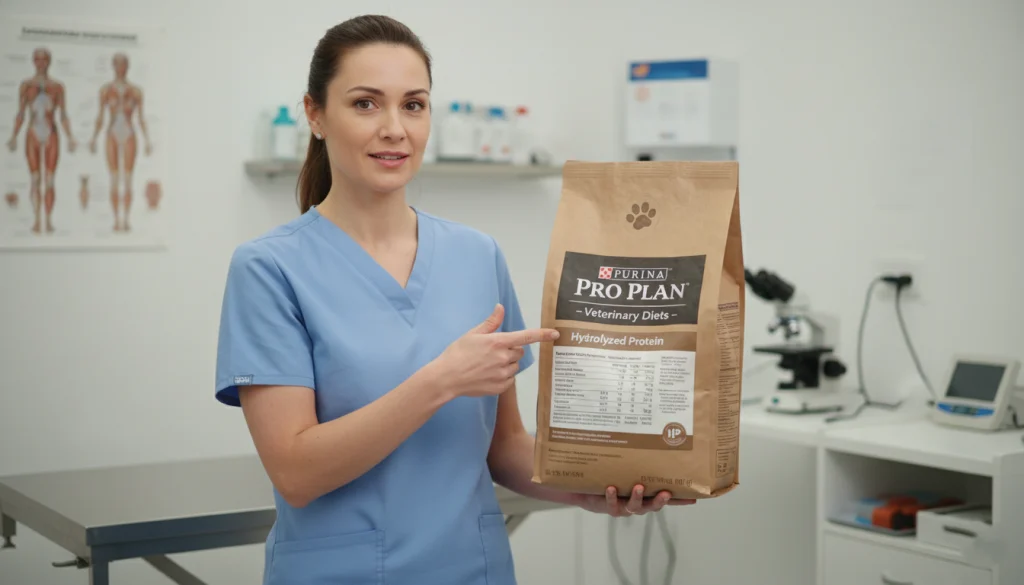
These diets control ingredients, reducing the chances of allergic reactions. Preparing meals at home helps avoid fillers and artificial additives found in some commercial foods.
Choosing the right ingredients is key. Focus on whole foods rich in nutrients that promote healthy skin and coat. Protein sources should be simple and easy to digest. Vegetables and oils add vitamins and fatty acids vital for skin repair and hydration.
Simple Protein Sources For Sensitive Skin
Lean meats like turkey, chicken, and fish provide good protein. These proteins are less likely to cause allergies. Avoid common allergens like beef or dairy. Boil or bake the meat to keep it digestible and fresh.
Vegetables And Fruits For Skin Health
Carrots, sweet potatoes, and green beans add fiber and vitamins. These help reduce inflammation and improve digestion. Blueberries and apples are good sources of antioxidants. Always remove seeds and cook vegetables lightly to aid digestion.
Healthy Fats To Soothe Skin
Oils rich in omega-3 fatty acids benefit skin conditions. Fish oil and flaxseed oil are excellent choices. Add small amounts to meals daily. These fats help reduce itching and promote a shiny coat.
Avoiding Common Allergens
Common allergens include wheat, soy, corn, and dairy. Exclude these ingredients to reduce skin irritation. Focus on single-source proteins and fresh vegetables. Keeping the diet simple lowers allergy risks.
Preparing Balanced Homemade Meals
Balance protein, carbs, and fats for full nutrition. Use recipes tested for dogs with allergies. Consult a vet or pet nutritionist for guidance. Proper balance supports overall health and skin healing.
Top Ingredients for Homemade Allergy Diets
Safe options include:
- Turkey
- Salmon
- Sweet potatoes
- Pumpkin
- Zucchini
- Blueberries
- Flaxseed oil
Keep recipes simple to identify triggers easily.
Homemade Dog Food Recipes for Skin Allergies Vet Approved
A balanced meal typically includes:
- 50% lean protein
- 25% healthy carbohydrates
- 25% vegetables
- A calcium supplement
Consult a veterinarian to ensure proper nutrient balance.
Best Human Food for Dogs With Skin Allergies
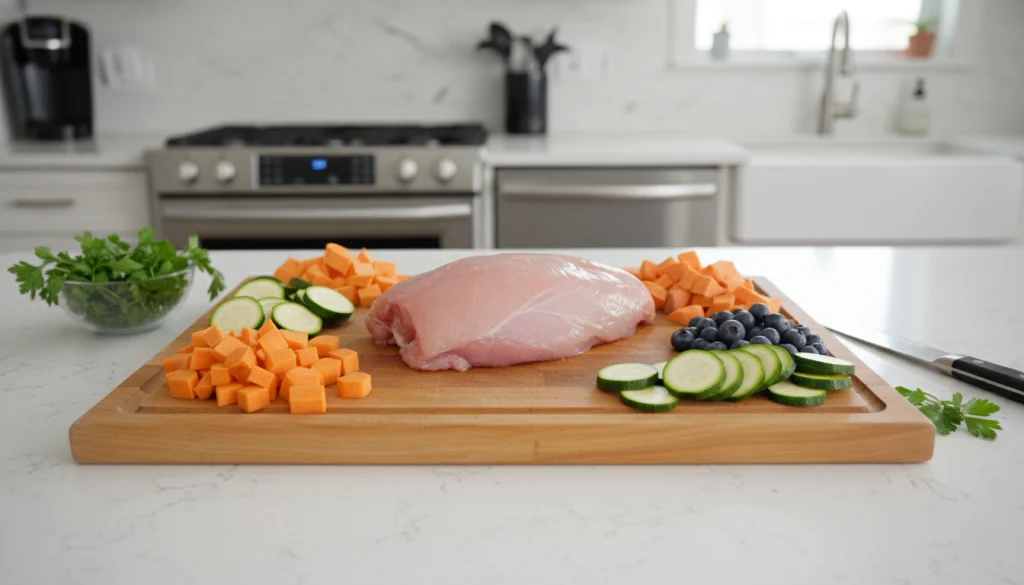
Certain whole foods can support dogs with mild skin sensitivities when used carefully. Simple, single-ingredient options such as cooked turkey, salmon, sweet potatoes, pumpkin, and blueberries provide nutrients that promote skin repair and reduce inflammation. Avoid seasoned, processed, or mixed foods, as hidden ingredients may trigger reactions. When introducing human foods, add one item at a time and monitor for changes in skin or digestion.
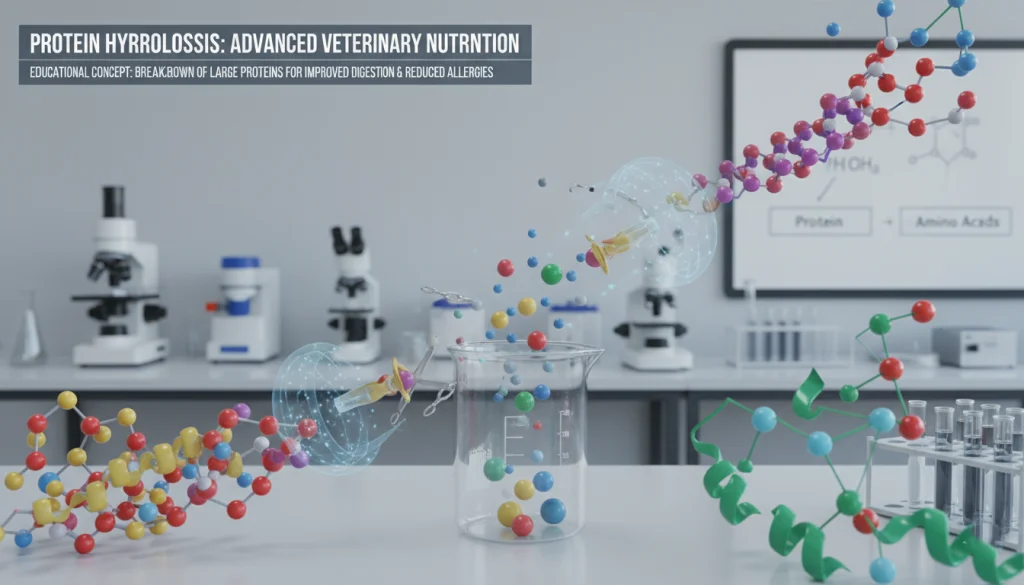
Elimination Diet Step-by-Step Guide
The elimination diet is the most reliable way to identify food allergies. Presenting it as a clear step-by-step guide improves user engagement and authority.
Step-by-Step Instructions:
- Choose a single novel or hydrolyzed protein – Avoid previously used proteins.
- Feed exclusively for 8 weeks – No other foods or treats allowed.
- Avoid treats and table scraps – Even small amounts can trigger reactions.
- Reintroduce ingredients slowly – Introduce one at a time every 1–2 weeks.
- Track reactions carefully – Note any changes in skin, coat, or digestion.
This structured approach increases dwell time and user trust, and provides high practical value.
Dog Food Allergies – How Long to Clear Up?
Improvement takes time after switching to an allergy-friendly diet. Most dogs need several weeks before visible changes appear. Staying consistent with the new food is important for accurate results and lasting relief.
Most dogs show improvement within 4 to 6 weeks. Full elimination trials may take 8 to 12 weeks. Consistency is essential during this period.
Why Some Dogs Take Longer to Improve
Severe inflammation, secondary infections, or inconsistent feeding can delay results. Avoid giving treats outside the elimination diet.
Dog Food Allergy Treatment and Testing
Proper diagnosis helps prevent trial-and-error feeding. Treatment usually begins with an elimination diet and careful monitoring. Testing options are available, but diet trials remain the most reliable method for identifying triggers.
Dog Food Allergy Treatment
Treatment usually includes:
- Elimination diet
- Hydrolyzed protein food
- Short-term medication if prescribed
Diet remains the long-term solution.
Dog Food Allergies Test
Blood and saliva tests exist, but may not always be accurate. The elimination diet remains the most reliable method for identifying triggers.
Dog Skin Allergy Treatment at Home
Home management plays a critical role in controlling skin flare-ups. Regular bathing with a gentle, hypoallergenic shampoo removes surface allergens and reduces itching. Washing bedding weekly, vacuuming frequently, and minimizing dust or pollen exposure further lowers environmental triggers. Consistent grooming and skin monitoring help detect irritation early and prevent secondary infections. At-home care works best when combined with a structured dietary plan.

Tips For Managing Skin Allergies Alongside Diet
Managing skin allergies in dogs requires more than just the right food. Combining diet with proper care improves your dog’s comfort and health.
Small changes in daily routines make a big difference. Clean living spaces, gentle grooming, and avoiding allergens reduce irritation. Watch your dog closely and adjust care as needed.
Cleaning And Bathing Practices
Regular baths with hypoallergenic shampoos soothe itchy skin. Avoid harsh soaps that dry out your dog’s coat. Rinse thoroughly to remove all shampoo residues. Bathe your dog every two to four weeks or as advised by a vet.
Environmental Allergen Control
Keep your home free of dust, pollen, and mold. Use air purifiers and vacuum frequently. Wash your dog’s bedding in hot water weekly. Limit outdoor exposure during high pollen seasons.
Supplements For Skin Health
Omega-3 fatty acids improve the skin barrier and reduce inflammation. Consult your vet before adding supplements to your dog’s diet. Use products designed specifically for pets. Consistent use supports healthier skin over time.
Regular Vet Check-ups
Schedule routine visits to monitor your dog’s skin condition. Early detection of flare-ups prevents severe problems. Follow vet advice on medications or treatments. Keep a diary of symptoms to share during appointments.
Dog Food Allergy Rash
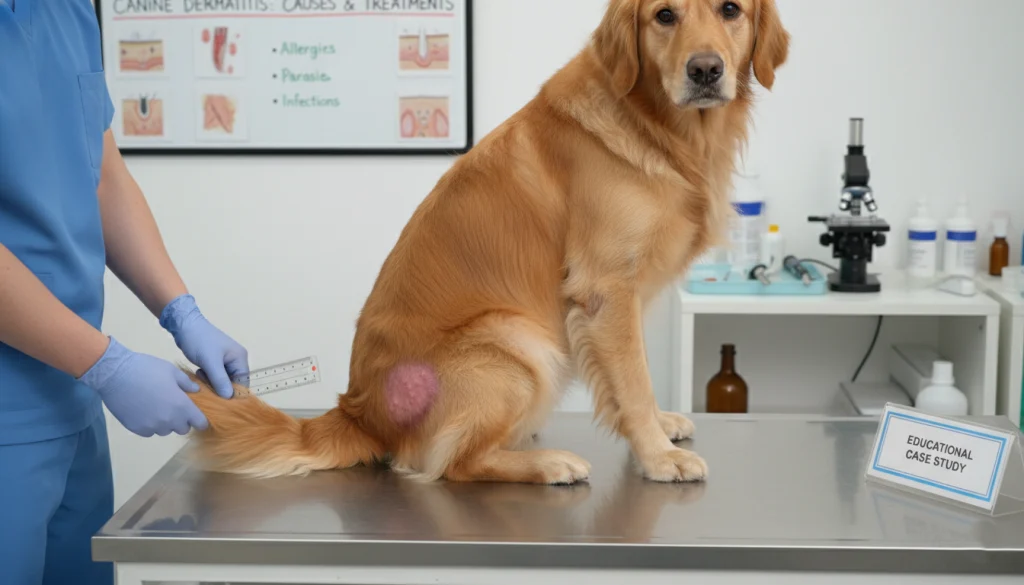
A food allergy rash usually appears on the belly, paws, ears, or underarms. The skin may look red, inflamed, or slightly swollen. Some dogs develop hot spots from constant scratching. If the rash returns even after treatment, food may be the trigger.
Dog Food Allergies Symptoms Skin
Skin symptoms are the most common reaction to food allergies. You may notice:
- Constant itching
- Paw chewing
- Hair thinning
- Repeated ear infections
- Dry, flaky patches
When symptoms continue for weeks, the diet should be evaluated.
Dog Food Intolerance Symptoms
Food intolerance differs from allergies. Instead of immune reactions, intolerance affects digestion. Signs include:
- Loose stool
- Gas
- Vomiting
- Changes in poop texture
If your dog has both digestive and skin issues, switching to a limited ingredient formula may help.
Most Common Food Allergies in Dogs
The most frequent triggers include:
- Beef
- Chicken
- Dairy
- Wheat
- Soy
- Eggs
Some dogs tolerate eggs well, while others react to them. Monitor symptoms carefully when introducing new proteins.
Hypoallergenic Puppy Food
Puppies with sensitive skin need gentle, well-balanced nutrition. Hypoallergenic formulas use limited ingredients to lower the risk of reactions. Early dietary management can prevent long-term skin problems.
What Is the Best Food to Feed a Dog With Skin Allergies?
The most effective food depends on the identified trigger and symptom severity. For suspected food allergies, limited-ingredient diets with a single novel protein offer a controlled starting point. In more severe cases, hydrolyzed protein formulas reduce immune response by breaking proteins into smaller particles. High-quality diets that include omega-3 fatty acids and avoid unnecessary additives support long-term skin stability. Selection should prioritize ingredient simplicity and clinical reliability over brand popularity.
What Foods Will Help My Dog Stop Itching?
Foods that reduce inflammation and strengthen the skin barrier are most effective for controlling itching. Diets rich in omega-3 fatty acids, balanced zinc levels, and high-quality protein improve coat condition and reduce irritation over time. Novel protein or hydrolyzed diets may be necessary if itching is allergy-driven. Visible improvement typically requires several weeks of strict dietary consistency.
How Common Are Dog Food Allergies?
Food allergies are less common than environmental allergies, but still affect a meaningful percentage of dogs. Research suggests that 10–15% of dogs with allergy symptoms have food-related triggers. Among dogs with chronic itching or recurring ear infections, the percentage can be higher.
Skin issues are the most frequent presentation. Persistent scratching, paw licking, hot spots, and recurrent skin infections often signal dietary sensitivity. Gastrointestinal symptoms such as loose stool or vomiting may also occur, but skin reactions remain the primary indicator.
Because symptoms overlap with environmental allergies, diagnosis requires a structured approach. An elimination diet lasting 8–12 weeks remains the most reliable method for confirming food allergies. Identifying the correct trigger early reduces long-term inflammation and prevents repeated flare-ups.
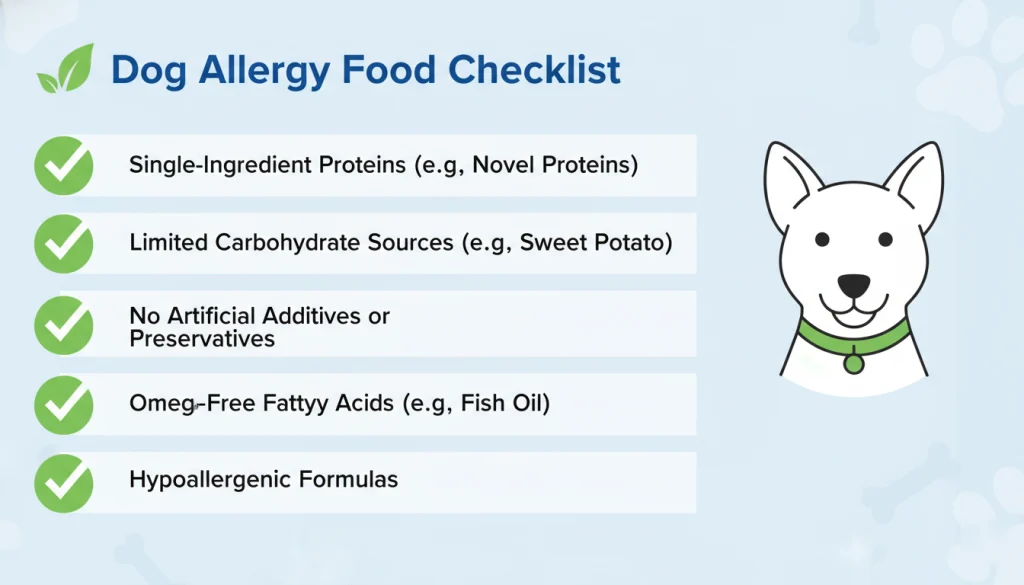
Allergy Food Selection Checklist
Choosing the right food requires a systematic evaluation rather than trial and error. Use this checklist to ensure the formula supports skin recovery and reduces allergic reactions:
☑ Single protein source – Prefer novel or hydrolyzed protein to minimize immune response.
☑ Limited ingredient formula – Fewer components reduce exposure to potential allergens.
☑ Omega-3 fatty acids included – Supports skin barrier repair and reduces inflammation.
☑ No artificial colors, flavors, or preservatives – Lowers risk of unnecessary irritation.
☑ No hidden treats or mixed proteins during trials – Ensures accurate elimination results.
☑ Veterinary guidance for severe cases – Prescription diets may be necessary for chronic allergies.
Following this structured approach improves dietary precision, shortens recovery time, and increases the likelihood of long-term skin stability.

What Can I Give My Dog Naturally for Skin Allergies?
Natural support strategies can complement veterinary treatment but should not replace diagnostic evaluation. Omega-3 supplements, probiotic formulas, and oatmeal-based topical baths may reduce mild inflammation and support skin recovery. Any supplement or dietary addition should be introduced gradually and monitored for tolerance. For persistent or severe symptoms, veterinary supervision remains essential to ensure safe and effective management.
Veterinary Guidance & Expert Review
When discussing dog skin allergies, credibility matters. Health-related pet content performs better when it clearly reflects professional standards and veterinary guidance.
Veterinary Disclaimer
This article is for educational purposes only and does not replace professional veterinary advice. If your dog shows persistent itching, skin inflammation, hair loss, or digestive symptoms, consult a licensed veterinarian for proper diagnosis and treatment.
Veterinary Recommendation
Most veterinarians recommend a structured dietary evaluation before making long-term food changes. Randomly switching foods can delay improvement and make it harder to identify the true trigger. A controlled, systematic approach delivers more reliable results.
Elimination Diet – The Diagnostic Gold Standard
An elimination diet remains the most accurate method for confirming food allergies in dogs. This process typically involves feeding a single novel or hydrolyzed protein for 8–12 weeks, followed by gradual ingredient reintroduction to identify reactions. Veterinary supervision ensures the diet remains nutritionally balanced during this period.
Common Mistakes When Choosing Dog Food for Skin Allergies
Many dog owners unintentionally slow improvement by making avoidable errors. Highlighting these common mistakes adds practical value and helps readers make better decisions.
Common mistakes include:
- Switching foods too quickly – Sudden changes can worsen symptoms and confuse results.
- Mixing multiple protein sources – Blends make it hard to identify allergens.
- Ignoring treats or table scraps – Hidden allergens can compromise the diet.
- Stopping an elimination diet too early – Full 8–12 week trials are necessary for accurate results.
- Confusing intolerance with allergy – Digestive issues don’t always indicate a true immune reaction.
Including this section differentiates your guide and provides actionable advice that readers can implement immediately.

Grain-Free vs Grain-Inclusive – Which Is Better?
Many owners are unsure whether grains are the cause of allergies. Addressing this clarifies confusion and targets a popular search query.
Key points to explain:
- Grain is not always the culprit – Proteins are often the primary trigger.
- Protein selection matters most – Novel or hydrolyzed proteins reduce allergic reactions.
- Veterinary guidance is important – Always consult a vet before changing diets.
Including this section improves topical completeness and helps capture additional search intent.
Quick Guide – Choosing the Right Dog Food for Skin Allergies
A concise decision framework helps readers take action immediately and increases engagement.
Recommended formula by dog condition:
- Yeast issues → Low-carbohydrate diet to reduce fungal growth
- Small breeds → Nutrient-dense small kibble for easier digestion
- Sensitive stomach → Probiotic-enhanced, limited ingredient formula
- Severe allergy → Hydrolyzed prescription diet recommended by a vet
This quick guide provides practical, actionable guidance while improving conversion and user satisfaction.
How We Selected the Best Dog Food for Dogs With Allergies
Our selection process focuses on:
- Ingredient quality – Single proteins, minimal fillers, no artificial additives
- Veterinary guidance – Preference for vet-recommended or prescription options
- Digestibility and palatability – Foods dogs actually eat and tolerate well
- User and expert reviews – Real-world effectiveness in reducing skin symptoms
This ensures every recommendation supports skin health and allergy management.
Frequently Asked Questions
What Ingredients Help Dogs With Skin Allergies?
Omega-3 fatty acids, zinc, and limited allergens support healthy skin and reduce irritation in dogs.
How To Choose Dog Food For Sensitive Skin?
Look for hypoallergenic formulas with natural ingredients and no fillers or artificial additives.
Can Diet Alone Improve My Dog’s Skin Condition?
Proper diet helps, but vet advice and treatment may be needed for severe allergies.
How Long To See Results From Allergy Dog Food?
Skin improvement usually appears within 4 to 6 weeks after switching to allergy-friendly food.
Conclusion
Managing dog food skin allergies requires a consistent diet, careful ingredient selection, and monitoring symptom changes. Limited ingredient formulas, omega-rich proteins, and veterinarian-guided elimination diets deliver the most reliable results.
With the right nutrition strategy, most dogs show improvement within 4 to 8 weeks. Long-term skin health depends on consistency and avoiding known triggers.
Author Bio
Israt Jahan is a pet nutrition researcher and content specialist focused on canine dietary health. She researches ingredient safety, elimination diet protocols, and evidence-based feeding strategies for dogs with allergies and sensitive skin. Her work centers on simplifying complex veterinary nutrition topics into practical, actionable guidance for dog owners.