Heavy-duty tarps designed for strength and everyday use.

Heavy-duty tarps are essential for anyone looking for reliable protection against harsh weather, outdoor exposure, or heavy use. Whether you’re covering equipment, securing a campsite, shielding a vehicle, or preparing for emergencies, a strong and durable tarp can make all the difference.
In this guide, we’ll explore everything you need to know about heavy-duty tarps, including types, features, waterproofing capabilities, and how to choose the best option for your specific needs. You’ll also learn how they compare to standard tarps and why they’re a long-term investment for outdoor protection. By the end of this article, you will know which tarp is right for you. Heavy-duty waterproof options are often the best choice for lasting durability in all weather.


What Are Heavy-Duty Tarps?
Heavy-duty tarps are strong, durable covers designed to protect your belongings from harsh weather, tough environments, and heavy use. Unlike lightweight or standard plastic tarps, these are built with thicker materials, reinforced edges, and long-lasting coatings that can handle demanding outdoor conditions.
Heavy-duty tarps are used in both residential and commercial settings. People rely on them to cover equipment, create temporary shelters, protect vehicles, secure construction materials, and shield outdoor items from rain, sun, wind, and debris.
Key Characteristics of a Heavy-Duty Tarp
A tarp is considered “heavy duty” when it includes:
• Thicker material (higher GSM or mil rating)
• Reinforced edges and corners
• Rust-proof grommets for easy tie-downs
• Tear-resistant fabric
• UV protection for long outdoor exposure
• Waterproof or highly water-resistant coatings
These features increase strength and durability, making the tarp reliable in both everyday and high-stress environments.
Common Materials Used
Heavy-duty tarps are made from different fabrics depending on their purpose:
• Polyethylene (Poly Tarps): Lightweight yet strong, waterproof, and UV-resistant
• Vinyl Tarps: Industrial-grade, extremely durable, great for long-term outdoor use
• Canvas Tarps: Strong, breathable, and ideal for outdoor storage or construction
• Mesh Tarps: Designed for shade, airflow, or securing loose material
Each type offers unique benefits, and the right choice depends on where and how you plan to use it.
Types of Heavy-Duty Tarps
Heavy-duty tarps are available in various materials, each designed for a specific purpose. Understanding these types will help you choose the best option for your outdoor needs, weather protection, or long-term projects.
Poly Heavy Duty Tarps
Polyethylene (poly) tarps are one of the most popular options because they are strong, lightweight, and fully waterproof. They are coated to block moisture, resist UV damage, and handle long outdoor exposure.
Best For:
• Camping
• Yard work
• Covering firewood
• Short-term equipment protection
Poly tarps offer a good balance of durability and flexibility, making them a practical everyday choice.
Vinyl Heavy Duty Tarps
Vinyl tarps are known for their unmatched strength. They are thicker, heavier, and built for industrial use. These tarps are resistant to oil, chemicals, abrasion, and extreme weather.
Best For:
• Construction projects
• Truck and trailer covers
• Long-term outdoor storage
• Commercial and industrial environments
If you need a tarp that lasts for years under tough conditions, vinyl is a reliable option.
Canvas Heavy Duty Tarps
Canvas tarps are durable, breathable, and designed to prevent condensation. Unlike plastic-based tarps, canvas allows airflow, making it ideal for protecting items that need ventilation.
Best For:
• Tools and equipment
• Construction sites
• Outdoor shelters
• Situations where airflow matters
Canvas tarps can also be treated to become water-resistant or fully waterproof, depending on the application.
Mesh Heavy Duty Tarps
Mesh tarps are not fully waterproof, but they are perfect when you need airflow and shade. They are designed to block sunlight while allowing wind to pass through.
Best For:
• Privacy screens
• Patio shade
• Securing debris or cargo
• Gardening and landscaping
Mesh tarps are commonly used for truck beds, fences, and outdoor shade structures.
Choosing the Right Type
The best tarp depends on how you plan to use it. Poly works for everyday use, vinyl for extreme durability, canvas for breathable protection, and mesh for shade and airflow. Each one serves a different purpose, giving you the flexibility to choose what fits your needs.
Heavy Duty Waterproof Tarps
Heavy-duty waterproof tarps are designed to provide maximum protection against rain, moisture, snow, and harsh outdoor conditions. These tarps have a waterproof coating, tightly woven fabric, and reinforced edges that keep water out and ensure long-lasting durability. If you need dependable weather protection, a waterproof tarp is one of the best choices you can make.
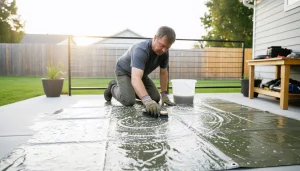
What Makes a Tarp Waterproof?
Not all tarps are created the same. A tarp becomes truly waterproof when it has:
• A protective coating like polyethylene, vinyl, or treated canvas
• Heat-sealed seams that prevent water from leaking through
• Tight fabric weave to block moisture
• Reinforced corners to withstand heavy rain and wind
A waterproof tarp is designed to keep your belongings dry even during storms or long exposure to moisture.
Benefits of Heavy-Duty Waterproof Tarps
Heavy-duty waterproof tarps offer several advantages:
• Full protection from rain and snow
• Better durability in outdoor environments
• Ideal for both short-term and long-term use
• Stronger resistance to mold and mildew
• Reliable coverage for equipment, vehicles, and supplies
These tarps are designed for tough outdoor applications where water resistance is essential.
When to Use Heavy-Duty Waterproof Tarps
Waterproof tarps are ideal for:
• Covering vehicles, boats, and trailers
• Protecting outdoor equipment and machinery
• Camping shelters and ground covers
• Construction projects
• Emergency weather protection
• Long-term outdoor storage
If you need something that can handle rain, snow, and wet conditions, heavy-duty waterproof tarps are the most dependable option.
Waterproof Outdoor Tarp for All-Weather Protection

A waterproof outdoor tarp is built for constant outdoor exposure. These tarps resist UV rays, moisture, and wind, making them perfect for:
• Backyards
• Campsites
• Farming and agriculture
• Outdoor workspaces
• Patio furniture covers
They are designed for long-term outdoor use where durability and waterproof performance matter most.
Waterproof Canvas Tarp: Breathable + Strong
Canvas tarps can also be treated to become waterproof. What makes a waterproof canvas tarp unique is that it remains breathable even after waterproofing. This prevents condensation, mold, and moisture build-up under the tarp.
Best For:
• Covering tools or wood
• Protecting equipment that needs ventilation
• Construction and job sites
• Long-term outdoor storage
Canvas waterproof tarps offer a balance of strength and breathability that many plastic tarps cannot match.
Key Features of Heavy-Duty Tarps
Heavy-duty tarps stand out because of their strength, durability, and ability to perform well in tough outdoor conditions. These tarps are engineered with specific features that make them more reliable than standard options. Understanding these features will help you choose a tarp that matches your needs and lasts longer.
Durability and Strength
One of the biggest advantages of heavy-duty tarps is their durability. They are made with thicker materials, strong fibers, and reinforced construction. This helps them withstand:
• Rough handling
• Harsh outdoor weather
• Heavy loads
• Long-term use
Whether you’re covering equipment or creating shelter, durability ensures the tarp holds up over time.
Waterproof Protection
Many heavy-duty tarps are fully waterproof, offering reliable protection from rain, snow, and moisture. Waterproof coatings and sealed seams keep water from passing through, making them ideal for outdoor storage and wet environments.
Waterproof tarps are especially useful for:
• Boats and vehicles
• Construction sites
• Camping shelters
• Emergencies

UV and Sun Resistance
This prevents the fabric from cracking, fading, or weakening when exposed to the sun for long periods. So treated to resist UV rays.
UV protection is important for:
• Outdoor workspaces
• Year-round coverage
• Hot climates
A tarp with UV resistance lasts longer and maintains its strength in direct sunlight.
Tear and Abrasion Resistance
These tarps are built to handle wear and tear. Their strong weave and reinforced edges reduce the risk of rips, holes, or stretching.
This feature is useful when the tarp is:
• Pulled tightly
• Used on rough surfaces
• Exposed to wind
• Covering heavy or sharp objects
Tear resistance ensures the tarp remains intact even in difficult conditions.
Reinforced Hems and Rust-Proof Grommets
Heavy-duty tarps include double-stitched or heat-sealed edges. These reinforced hems prevent fraying and add extra strength.
Rust-proof grommets make tie-downs easier and more secure. They are designed to resist corrosion even in wet or salty environments.
Mold and Mildew Resistance
Many tarps are treated with a protective layer that prevents mold and mildew growth. This is especially important for tarps used in wet or humid climates.
Mold resistance helps the tarp stay clean and maintain its quality over time.
Multiple Size and Color Options
Heavy-duty tarps are available in a wide range of sizes and colors. This allows you to choose one that fits your exact needs, whether you’re covering a small tool set or a large construction area.
Benefits of Heavy-Duty Tarps
Heavy-duty tarps aren’t just a piece of fabric—they’re your first line of defense in countless situations. Here’s why they’re a smart investment:
Superior Protection
Whether it’s rain, snow, dust, or sun, a heavy-duty tarp shields your belongings from the elements. From vehicles and equipment to outdoor furniture and firewood, these tarps keep everything dry, clean, and safe.
Built to Last
Made from reinforced materials like polyethylene or canvas, heavy-duty tarps resist tears, abrasions, and punctures. Their durability means you won’t be replacing them every season—saving both time and money.
Cost-Effective Solution
Instead of investing in expensive covers or temporary storage solutions, a heavy-duty tarp provides affordable, reliable protection. A single tarp can serve multiple purposes for years, making it a practical choice for homeowners and professionals alike.
Outstanding Outdoor Performance
Designed to withstand wind, rain, and harsh UV rays, heavy-duty tarps perform exceptionally well outdoors. Their water-resistant and UV-protected surfaces ensure they don’t degrade quickly, even under constant exposure.
Versatility in Use
From camping and construction sites to garden projects and emergency shelters, these tarps adapt to countless situations. Their flexibility and ease of use make them a go-to solution for both everyday needs and unexpected challenges.
Easy Storage and Portability
Despite their strength, heavy-duty tarps are lightweight and foldable. You can easily store them in a garage, truck bed, or shed, and deploy them whenever the situation calls for it.
In short, heavy-duty tarps combine protection, durability, and convenience, proving their worth in almost any environment. Investing in one means peace of mind and long-term utility.
Choosing the Right Heavy Duty Tarp
Picking the perfect heavy-duty tarp doesn’t have to be complicated. A few key factors can help you get the best protection for your needs:
Material Matters
Polyethylene tarps are lightweight, waterproof, and budget-friendly—great for general outdoor use. Canvas tarps are heavier, more breathable, and ideal for long-term coverage where moisture needs to escape. Choose the material based on what you’re covering and how long it will be exposed.
Size and Coverage
Measure the items or area you need to protect. A tarp that’s too small won’t do its job, while an oversized tarp might be bulky and tricky to secure. Opt for a size that allows a little extra for tying down and tucking under objects.
Weight and Durability
Heavier tarps usually last longer and resist tearing better. Check the weight (often in ounces per square yard) and look for reinforced corners and edges. Grommets or eyelets for tying down add extra durability and convenience.
Weather Resistance
Make sure your tarp is rated for water, UV, and wind resistance. Some tarps also offer mildew and mold protection, which is perfect for wet or humid climates.
Ease of Use
Consider how easy it is to deploy, fold, and store the tarp. Lightweight options are great for quick setups, while heavier tarps work well for more permanent coverage.
Purpose-Specific Features
Some tarps come with extra features like fire resistance, reflective surfaces, or double-layered fabrics. Think about your specific needs—camping, construction, or vehicle coverage—and choose accordingly.
Tip: Investing a bit more in a high-quality tarp now can save money and frustration later. A well-chosen heavy-duty tarp lasts longer, protects better, and makes outdoor projects much easier.
Tips for Proper Tarp Care and Maintenance
Taking care of your heavy-duty tarp is the easiest way to make it last longer and perform well. A little maintenance goes a long way. Here’s how to keep yours in great shape:

Clean It Regularly
Dirt, leaves, and debris can slowly wear down the material. Rinse the tarp with clean water and mild soap when it looks dirty. Skip harsh chemicals because they can weaken the fabric.
Let It Dry Before Storing
Moisture causes mold, mildew, and bad odors. Always make sure the tarp is fully dry before folding and putting it away.
Fold It Neatly
A tidy fold reduces stress on the material and prevents deep creases. Store the tarp in a cool, dry place such as a shed or garage.
Check for Damage
Look for small tears, loose grommets, or worn edges. Fix minor issues with tarp tape or patch kits before they grow into bigger problems.
Avoid Sharp Edges
When covering tools or equipment, cushion any sharp corners. This simple step prevents punctures and helps the tarp last longer.
Use Proper Tie Down Methods
Don’t overstretch the tarp when securing it. Too much tension can pull out the grommets. Use ropes, bungee cords, or straps with just enough pressure to hold it in place.
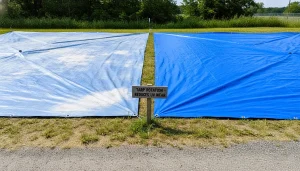
Rotate When Possible
If the tarp stays outside for long periods, rotate or switch them occasionally. This spreads out the wear and keeps one side from breaking down too fast.
Store Indoors During Off-Seasons
If you don’t need the tarp all year, pack it away during the off-season. Keeping it out of the sun and weather will extend its life.
A few small habits can keep your heavy-duty tarp strong, reliable, and ready for work season after season.
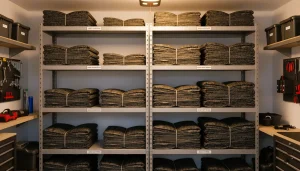
Common Mistakes to Avoid When Using Heavy-Duty Tarps
Even the strongest tarp can fail if it’s used the wrong way. Avoiding common mistakes can save you time, money, and frustration.
1. Using the Wrong Size
A tarp that’s too small won’t cover what you need, and one that’s too large can flap, tear, or collect water. Always measure before choosing the right size.
2. Not Securing It Properly
Loose tarps catch the wind easily and wear out faster. Use enough tie-down points—rope, bungee cords, or straps—to keep it stable and snug.
3. Ignoring Sharp Edges
Sharp corners or rough surfaces can puncture a tarp quickly. Add padding or cover the edges first to prevent damage.
4. Overstretching the Material
Pulling a tarp too tight stresses the grommets and seams. Light tension is fine, but overstretching often leads to ripping in windy weather.
5. Leaving It Wet or Dirty
Storing a wet tarp causes mold and weakens the fabric. Dirt and debris also grind into the material. Always clean and dry it before storing.
6. Using a Light-Duty Tarp for Heavy Jobs
Lightweight tarps aren’t built for tough or long-term use. For construction, heavy rain, or extended outdoor coverage, choose a stronger grade.
7. Forgetting UV Protection
Sun exposure weakens tarps quickly. If it stays outside, make sure your tarp has UV resistance to prevent cracking, fading, or thinning.
8. Allowing Water to Pool
When a tarp rests flat, rainwater can collect and create a heavy sag. This stresses the material and can cause tears. Adjust the tarp so water drains off.
9. Not Checking for Wear Over Time
Inspect your tarp now and then. Small tears or loose grommets are easier to fix early and prevent bigger failures later.
Using your tarp wisely is just as important as choosing a durable one. Avoid these mistakes and your heavy-duty tarp will stay strong and dependable for years.
Best Uses for Heavy Duty Tarps (Real-Life Examples)
Heavy-duty tarps are strong, reliable, and useful in many everyday situations. Here are some of the most common ways people use them:
- Protecting Vehicles and Equipment
Cover cars, bikes, tractors, or tools to shield them from rain, sun, and dust. - Construction Sites
Builders use tarps to cover materials, create temporary roofs, and block wind or debris. - Camping and Outdoor Trips
Tarps work as tent floors, rain shelters, shade covers, or gear protectors. - Home and Garden
Use them to cover firewood, furniture, plants, or to control dust during renovations. - Emergency Use
Tarps help cover damaged roofs, protect belongings, or serve as quick shelters after storms. - Transporting Goods
Secure cargo in trucks or trailers and protect it from wind and weather. - Events and Gatherings
Create ground covers or shade areas for parties, picnics, or festivals. - Pools and Outdoor Structures
Keep pools, hot tubs, or backyard structures clean and protected from debris. - Farming and Agriculture
Cover hay, feed, crops, or equipment—especially during rainy seasons. - DIY and Creative Projects
Great for slip-and-slides, makeshift walls, and other creative builds.
Heavy-duty tarps are more than covers—they’re simple, affordable problem-solvers for almost any situation where you need protection or quick shelter.
Heavy Duty Tarps vs. Regular Tarps
Heavy-duty tarps offer far more strength and reliability than regular tarps, especially for outdoor use. Here’s a quick comparison:
- Strength and Durability
Heavy-duty tarps use thicker materials and reinforced stitching, making them resistant to tears and pressure. Regular tarps wear out and rip more easily. - Weather Resistance
They handle wind, rain, sun, and snow better, often with UV and mildew protection. Regular tarps fade, weaken, and leak faster. - Material Quality
Heavy-duty tarps use premium polyethylene, vinyl, or canvas. Regular tarps are made from thinner, cheaper plastic. - Longevity
Heavy-duty tarps last for years with proper care. Regular tarps often last only a short season. - Best Uses
Heavy-duty tarps suit construction, camping, hauling, and emergencies. Regular tarps are fine for simple indoor or temporary tasks. - Tie-Down Strength
Stronger grommets and reinforced corners make heavy-duty tarps more secure. Regular tarps tear under tension more easily. - Cost Value
They cost more upfront but save money long-term because they don’t need frequent replacement.
If you need quick, temporary coverage, a regular tarp works. For long-lasting protection and real durability, a heavy-duty tarp is the better choice.
Waterproof vs. Water-Resistant Tarps — What’s the Difference?
When choosing a tarp, it helps to know whether you need waterproof or water-resistant protection. The two are not the same.
- Waterproof Tarps
These completely block water. They use sealed seams, thick coatings, and tight materials that stop rain, puddles, and heavy moisture.
Best for: camping shelters, vehicles, outdoor equipment, and emergency roofing. - Water-Resistant Tarps
These repel light moisture but cannot handle heavy or constant water. They slow the water down but won’t stop it fully.
Best for: temporary covers, drizzle, and tasks that don’t need full waterproofing. - Material Differences
Waterproof tarps use coated vinyl or polyethylene for a full barrier.
Water-resistant tarps use lighter, breathable materials with minimal coating. - Weather Performance
Waterproof tarps work well in storms and long-term outdoor use.
Water-resistant tarps are better for mild or short-term conditions. - Durability and Cost
Waterproof tarps cost more and last longer in harsh weather.
Water-resistant tarps are cheaper but not built for extreme exposure. - How to Choose
If your project faces heavy rain or long outdoor use, go waterproof.
For light moisture or temporary protection, water-resistant is enough.
Waterproof tarps block all water, while water-resistant tarps only handle light moisture. Choose based on how much water exposure you expect.
How to Secure a Heavy-Duty Tarp Properly (Step-by-Step)
A heavy-duty tarp only works well when it’s secured correctly. Whether you’re covering equipment, building a shelter, or protecting cargo, using the right steps keeps the tarp tight, stable, and weather-resistant.
Step 1: Choose the Right Size
Pick a tarp that fully covers your item with a bit of extra room on all sides. This gives you enough material to fold, tuck, and secure properly.
Step 2: Position the Tarp Evenly
Spread the tarp over your object or area. Keep it flat and untwisted so the rest of the setup goes smoothly.
Step 3: Locate the Grommets
Most heavy-duty tarps include reinforced grommets around the edges. These serve as anchor points for ropes, bungee cords, or straps.
Step 4: Use Strong Tie Downs
Choose secure options such as bungee cords for flexibility, rope for firm holds, or ratchet straps for heavy loads. Avoid worn or weak ties that may snap.
Step 5: Secure Opposite Corners First
Tie down one corner and then secure the opposite side. This balances the tension and keeps the tarp from shifting.
Step 6: Work Around the Edges
Attach the remaining corners and continue along each side. Keep the tension even to prevent sagging or flapping.
Step 7: Tuck Extra Material
If the tarp is oversized, fold the extra material under the edges. This creates a tighter fit and helps water run off instead of collecting.
Step 8: Test for Stability
Give the tarp a gentle pull in a few areas. Tighten any loose spots or add more tie downs if you notice movement or noise.
Step 9: Create Water Runoff
Angle the tarp so rainwater drains instead of pooling. Standing water adds weight and increases the risk of tearing.
Step 10: Check Regularly
Wind, weather, and movement can loosen ties over time. Inspect the tarp now and then to keep everything secure.
Securing a heavy-duty tarp the right way protects your gear and keeps your setup stable. A few extra minutes of care can prevent damage and save you trouble later.
Different Types of Heavy Duty Tarps (Materials & Features)
Heavy-duty tarps come in different materials, each designed for specific tasks. Here’s a quick guide to the most common types:
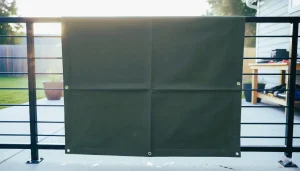
1. Polyethylene (Poly) Tarps
Waterproof, lightweight, and affordable.
Key Features: waterproof, UV-resistant options, reinforced edges, easy to fold
Best For: vehicles, furniture, equipment, firewood, general outdoor use
2. Canvas Tarps
Strong and breathable, great for long-term coverage.
Key Features: breathable, water-resistant, durable, handles rough surfaces
Best For: construction, landscaping, painting, items needing airflow
3. Vinyl Tarps
Extremely tough and fully waterproof.
Key Features: waterproof, chemical and mildew resistant, UV-resistant, long-lasting
Best For: industrial work, truck covers, roofs, marine use, long-term outdoor setups
4. Mesh Tarps
Allow air and light through while providing shade.
Key Features: breathable, blocks debris and sun, lightweight, flexible
Best For: gardening, shade areas, pool covers, loads needing airflow
5. Fire-Retardant Tarps
Designed for safety in high-heat environments.
Key Features: fire-retardant, waterproof options, reinforced seams, safety-rated
Best For: welding, industrial sites, workshops, emergency use
6. Insulated Tarps
Built for temperature control and winter protection.
Key Features: thermal insulation, waterproof, durable stitching
Best For: cold-weather construction, curing concrete, protecting materials from freezing
7. Clear Poly Tarps
Let in light while keeping out the weather.
Key Features: clear visibility, UV-resistant, mildew-resistant, waterproof
Best For: greenhouses, patios, temporary walls, outdoor enclosures
Choosing the right tarp depends on what you’re covering, how long it stays outside, and the weather you expect. Pick the type that fits your project for the best results.
How to Store a Heavy-Duty Tarp the Right Way
Storing your heavy-duty tarp properly is just as important as using it correctly. Good storage keeps it clean, strong, and ready for your next project. Here’s how to do it the right way:
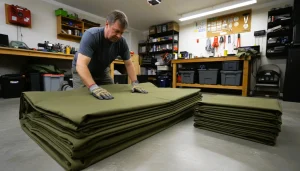
1. Clean the Tarp First
Before putting it away, wash off dirt, mud, leaves, or stains. Use mild soap and water—nothing harsh. Cleaning prevents damage and helps the tarp last longer.
2. Let It Fully Dry
Never store a wet tarp. Moisture leads to mold, mildew, and a weakened fabric. Hang it over a fence, railing, or clothesline until it’s completely dry.
3. Inspect for Damage
Check for small tears, worn grommets, or frayed edges. Fixing small issues now prevents bigger problems later.
4. Fold It Neatly
Lay the tarp flat and fold it evenly to avoid creating stress points. Neat folds take up less space and protect the material from cracking.
5. Avoid Tight Compression
Don’t bundle or roll it too tightly. Over-compressing can weaken seams and create permanent creases. A relaxed, tidy fold is best.
6. Store in a Cool, Dry Place
Choose a clean space like a garage, shed, or utility closet. Avoid damp basements or areas exposed to direct sunlight—heat and moisture can damage the fabric over time.
7. Use a Storage Bag or Container
If possible, keep your tarp in a breathable bag or plastic bin. This protects it from dust, pests, and accidental tears while in storage.
8. Keep Away From Sharp Objects
Don’t store your tarp near tools or sharp edges. One accidental snag can ruin a corner or section.
A properly stored tarp stays clean, strong, and ready for any job. By taking a few minutes to clean, dry, fold, and store it safely, you’ll extend its lifetime and keep it performing like new.
When to Replace Your Heavy Duty Tarp
Even strong tarps wear out over time. Replacing them at the right moment helps protect your belongings. Look for these signs:

- Tears or Holes
Small holes can be patched, but large or spreading tears—especially at seams—mean the tarp can’t fully protect anymore. - Damaged Grommets
If grommets are loose, rusted, or missing, the tarp won’t stay secure in wind or rain. - Cracking or Brittleness
Sun exposure can make tarps stiff and crack. Once this happens, waterproofing is compromised. - Heavy Fading or UV Damage
Faded tarps often become thin and weak. Loss of color usually means loss of strength. - Mold, Mildew, or Odors
Persistent mold or stains indicate the fabric is breaking down and won’t repel water well. - Water Leaks
If moisture seeps through or the coating wears off, the tarp is no longer waterproof. - Frayed Edges
Splitting or frayed corners weaken the tarp and reduce its wind resistance. - Misshaped or Stretched Fabric
If the tarp no longer lies flat or pulls unevenly, the fibers are worn out.
A tarp should protect your items—not put them at risk. When you notice these issues, it’s best to replace them before they fail during harsh weather.
Safety Tips for Using Heavy-Duty Tarps
Heavy-duty tarps are helpful, but using them incorrectly can cause accidents. Keep these safety tips in mind:
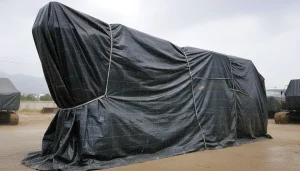
- Protect Against Sharp Edges
Sharp tools or metal can cut both the tarp and your hands. Wear gloves and cover sharp corners first. - Secure Before Wind Increases
Don’t install or remove a tarp in strong winds. Anchor the corners quickly and safely before it gets worse. - Use Strong Tie-Downs
Choose durable ropes, bungee cords, or ratchet straps. Weak ties can snap under tension. - Don’t Overtighten
Pulling too tight can tear grommets or cause straps to slip. Keep it snug, not stretched. - Never Walk on a Tarp
Tarps—especially when wet—are extremely slippery and can cause falls. - Prevent Water Pooling
Make sure water can run off. Heavy “water pockets” can weaken or collapse the tarp. - Use Ladders Safely
When covering tall items, use a stable ladder and avoid overreaching. - Keep Away from Heat
Unless fire-retardant, tarps should not be near flames, heaters, or hot machinery. - Check Tie-Downs Often
Wind and movement loosen straps over time. Regular inspections keep the tarp secure. - Store Properly
Fold and store tarps instead of leaving them on the ground to prevent tripping.
Using a tarp safely means securing it well, avoiding hazards, and checking it often. With proper care, you can use your tarp confidently and avoid accidents.
Environmental Impact — Are Heavy Duty Tarps Eco-Friendly?
Heavy-duty tarps are practical, but many people wonder about their impact on the environment. Understanding their sustainability can help you make informed choices.
1. Material Matters
Most heavy-duty tarps are made from polyethylene, vinyl, or canvas.
• Poly and vinyl tarps are plastic-based, so they are not biodegradable. Improper disposal can contribute to landfill waste.
• Canvas tarps are made from natural fibers and are more eco-friendly, but they may still have coatings for water resistance.
2. Longevity Reduces Waste
Heavy-duty tarps are designed to last years, unlike cheap tarps that tear quickly. Using a durable tarp reduces waste because fewer replacements are needed over time.
3. Recycling Options
Some polyethylene and vinyl tarps can be recycled if your local recycling facility accepts them. Always check local guidelines before discarding.
4. Energy and Resource Use
Producing tarps—especially vinyl—uses energy and raw materials. Choosing a tarp that lasts longer and is suited to your project minimizes overall environmental impact.
5. Eco-Friendly Practices
• Use your tarp for multiple purposes to extend its life.
• Repair small tears instead of throwing it away.
• Store it properly to prevent early degradation.
• Dispose of or recycle responsibly when it reaches the end of its life.
6. Alternative Options
If sustainability is a priority, consider:
• Canvas tarps with minimal synthetic coatings
• Reclaimed or recycled material tarps
• Multi-use tarps that replace multiple single-use covers
Heavy-duty tarps aren’t inherently eco-friendly, but smart use, long-term durability, and responsible disposal make them more sustainable than frequent, short-term alternatives. Choosing the right material and caring for your tarp reduces its environmental footprint while still protecting your belongings effectively.
Top Tips for Buying a Heavy-Duty Tarp Online
Buying a heavy-duty tarp online is convenient, but it’s important to make the right choice. Here are some tips to help you get a tarp that meets your needs and lasts for years:
1. Know Your Size Requirements
Measure the area or items you want to cover. A tarp that’s too small won’t provide full protection, while one that’s too large can be difficult to secure. Always allow extra material for tying down and folding.
2. Check the Material
• Polyethylene (Poly): Lightweight, waterproof, and budget-friendly
• Canvas: Breathable, durable, water-resistant
• Vinyl: Extremely strong, waterproof, long-lasting
Pick the material that fits your usage and weather conditions.
3. Look for Reinforced Edges and Grommets

Reinforced corners and grommets improve durability and make tie-downs easier. Check product images and descriptions to ensure they’re sturdy and corrosion-resistant.
4. Read Customer Reviews
Reviews provide real-life insight into durability, water resistance, and how easy the tarp is to use. Pay attention to comments about performance in rain, wind, and sun.
5. Check Weight and Thickness
Heavier, thicker tarps last longer and handle rough use. Lightweight tarps are fine for short-term or temporary coverage but may wear out quickly.
6. Verify Weather Resistance
Look for waterproofing, UV protection, and mildew resistance. These features extend the life of your tarp and protect your belongings.
7. Compare Prices Carefully
Don’t choose based solely on the lowest price. A cheap tarp might save money upfront, but may fail sooner. Balance cost with quality and durability.
8. Check Return Policy
Make sure the seller allows returns or exchanges in case the tarp doesn’t meet your expectations. This provides peace of mind when buying online.
9. Consider Multi-Purpose Tarps
Some tarps are designed for multiple uses: camping, construction, vehicles, and home projects. A versatile tarp can save you money and storage space.
Conclusion — Why Investing in a Heavy Duty Tarp Pays Off
Heavy-duty tarps are more than just covers—they’re reliable, versatile, and cost-effective tools that protect your belongings and make life easier in countless situations. From harsh weather to heavy-duty projects, the right tarp provides peace of mind and long-lasting performance.
Key Takeaways:
• Protection: Keep your vehicles, equipment, furniture, and outdoor items safe from rain, sun, wind, and dust.
• Durability: Reinforced materials, strong grommets, and tough edges ensure your tarp withstands years of use.
• Cost-Effectiveness: Investing in a high-quality tarp saves money over time by reducing replacements and damage.
• Versatility: Use it for camping, construction, gardening, hauling, emergencies, and more.
• Ease of Use: Lightweight, foldable, and easy to secure, heavy-duty tarps are practical and convenient.
A heavy-duty tarp is a small investment that offers big returns. Whether you need long-term protection, emergency coverage, or a multipurpose solution for outdoor projects, a quality tarp keeps your belongings safe and your work easier. Choosing the right material, size, and type ensures maximum performance, while proper care and storage extend its lifespan.