
Lasfit LED Bulbs for Bright, Clear Night Driving
I’ve worked on enough vehicles to know one thing for sure. Lighting upgrades look simple until they aren’t. A bulb swap turns into a wiring puzzle. A quick install becomes a dashboard warning. And the “plug-and-play” promise quietly disappears. That’s why I take LED upgrades seriously.
This guide reflects my thought process, testing, and decision-making before recommending anything. I’ll walk through my experience, what actually matters in daily driving, and where most people get it wrong. I’ll also point out where expectations need adjusting—because no lighting upgrade is a magic solution. Before getting into details, here’s what I’ll cover so you know exactly what you’re getting.
Quick Verdict: Are Lasfit LED Bulbs Worth It?
Lasfit LED bulbs are a practical upgrade for drivers replacing factory halogen bulbs who want clearer visibility, stable electronics, and a plug-and-play install. They improve usable light without requiring wiring changes, resistors, or CANBUS fixes. However, they are not a substitute for full OEM LED headlight systems, and headlight legality depends on local regulations, which should be checked before installation. Before getting into details, here’s what I’ll cover so you know exactly what you’re getting.
What Are Lasfit LED Bulbs?
Lasfit is an automotive lighting brand focused on LED upgrades for headlights, fog lights, turn signals, and interior lighting. Their products are designed to be vehicle-friendly, meaning minimal modification, fewer error codes, and easier installation for everyday drivers.
Unlike generic LED bulbs, Lasfit focuses heavily on CANBUS compatibility, proper beam patterns, and thermal management. This makes their bulbs suitable for drivers who want an upgrade without compromising safety or legality.
Overview of the Lasfit Brand
Lasfit has built a solid reputation in the automotive lighting market by focusing on vehicle-specific LED solutions rather than generic bulbs. The brand is widely recognized for its attention to fitment accuracy, electrical stability, and real-world usability. One of Lasfit’s biggest strengths is its emphasis on CANBUS compatibility, which helps reduce dashboard errors, flickering, and hyperflash in modern vehicles. Combined with a true plug-and-play design, Lasfit bulbs are made to install easily without additional wiring, resistors, or complex modifications.
Types of Lasfit LED Bulbs
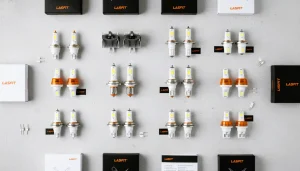
Lasfit offers a broad range of LED bulbs designed to upgrade different areas of a vehicle while maintaining factory-level compatibility. Their lineup includes LED headlight bulbs for improved forward visibility, fog light bulbs optimized for wide beam patterns, turn signal and brake light bulbs with fast response times, and interior LED lighting kits for cabin and trunk illumination. Each category is engineered to directly replace factory halogen bulbs, making them suitable for drivers who want a straightforward upgrade without altering their vehicle’s original electrical system.

Why Choose Lasfit LED Bulbs Over Halogen or HID?
Halogen bulbs are inexpensive, but they come with limitations—short lifespan, yellowish light, and weaker road visibility. HID systems offer brightness but often require ballasts and professional installation.
Lasfit LED bulbs aim to bridge that gap.
They offer:
- Brighter, whiter light output
- Faster response time
- Lower power consumption
- Longer lifespan
- Simple plug-and-play installation
For drivers who want an upgrade without electrical complexity, LED bulbs make practical sense.
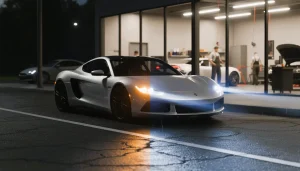
A Simple Comparison: Halogen vs Cheap LEDs vs Lasfit LED Bulbs
Specs on a box don’t tell you how a bulb behaves once it’s inside a headlight housing. What matters is beam control, electrical stability, heat management, and the amount of trouble the installation causes. After using all three options in real vehicles, the differences become clear. This comparison highlights where factory halogen bulbs, low-cost generic LEDs, and Lasfit LED bulbs actually stand in everyday driving, not marketing claims.
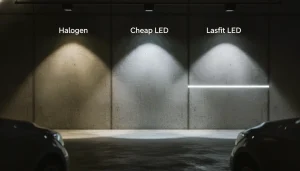
| Feature | Factory Halogen Bulbs | Cheap Generic LED Bulbs | Lasfit LED Bulbs |
| Light color | Yellowish, warm | Inconsistent white | Clean 6000K white |
| Beam pattern control | Designed for housing | Often scattered | Controlled, halogen-like |
| Nighttime visibility | Limited | Brighter but uneven | Brighter and usable |
| CANBUS compatibility | Native | Often problematic | Designed to be error-free |
| Flicker/warnings | None | Common | None in testing |
| Heat management | Passive, stable | Often poor | Active or optimized cooling |
| Installation effort | Simple | Simple but risky | Simple and predictable |
| Long-term reliability | Short lifespan | Unpredictable | Stable over time |
This table explains why raw brightness alone doesn’t equal a good upgrade. Lasfit doesn’t just add light—it preserves beam shape, avoids electrical issues, and behaves like factory equipment, which is what most drivers actually need.
Lasfit LED Headlight Bulbs: Features and Performance
One of Lasfit’s most popular product categories is Lasfit LED headlight bulbs, and for good reason.
Key Features
- High lumen output for improved nighttime visibility
- 6000K white light that closely resembles daylight
- Built-in cooling systems (fan or fanless, depending on model)
- CANBUS error-free design for most vehicles
Lasfit designs its bulbs to replicate the beam pattern of halogen bulbs, which helps avoid glare for oncoming traffic.
Real-World Performance
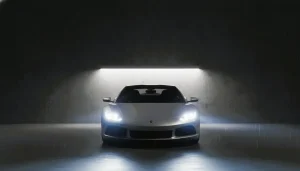
In real driving conditions, Lasfit LED headlight bulbs provide noticeably better road illumination. Street signs appear clearer, lane markings are easier to follow, and the light spread feels more controlled than many low-cost LED alternatives. The brightness improvement is immediate, especially on unlit roads.
Why Halogen Bulbs Fell Short for Me
Halogen bulbs still come standard on many vehicles. They’re cheap. They’re familiar. They also haven’t aged well.
In my case, the light output felt weak. Color temperature leaned toward yellow. On dark roads, contrast suffered. Street signs didn’t stand out. Lane markings faded sooner than they should have.
The visual mismatch bothered me, too. My vehicle already had factory LED accents. The halogens looked dated next to them. It felt like installing modern tech everywhere except the most important place—where I actually look while driving.
I didn’t want extreme brightness. I wanted clarity.
That distinction matters.
Road signs faded into the background. Worse, the halogens didn’t match the factory LED accents already on the vehicle. The front end looked mismatched, like wearing dress shoes with gym shorts.
I wanted:
- Cleaner light
- Better visibility
- A closer match to OEM LEDs
I didn’t want:
- Wiring changes
- Resistors spliced into harnesses
- Dashboard warnings
Experience taught me one thing early: cutting factory wiring almost always comes back to haunt you.
What I Refuse to Compromise On
Before choosing any LED replacement, I set firm rules. They come from past mistakes. Before choosing any LED replacement, I run through a short checklist.
First, I won’t cut factory wiring. Ever.
Second, the bulb must seat into the OEM socket without adapters.
Third, electronics must behave normally. No flicker. No warnings.
Fourth, heat must be controlled properly.
LEDs don’t usually fail because the diode dies. They fail because internal connections overheat or loosen. That’s common in cheaper designs.
If a bulb fails early, it’s rarely bad luck. Its design.
My First Impressions of Lasfit
I reached out to their support team with specific concerns. Hyperflashing was at the top of the list. I’d seen it happen too often, especially on newer vehicles with sensitive circuits.
The recommendation was straightforward. A model designed to work with factory sockets and internal load control. No resistors. No harness changes.
That alone earned my attention.
Shipping was fast. Packaging arrived intact. The bulbs felt solid in hand. Weight matters here. Feather-light LED bulbs usually mean poor heat sinks. So far, so good.
Why I Paid Attention to Lasfit
I didn’t start loyal to any brand. I looked for solutions, not logos.
What caught my attention with Lasfit was how they addressed common problems directly. Internal load control. Housing-specific designs. Support that actually answered technical questions.
I reached out before buying. I explained my concerns about hyperflashing and long-term reliability. The response wasn’t scripted. It was specific.
That told me something.
Shipping, Packaging, and First Handling
This part matters more than people admit.
Shipping was fast. Packaging arrived intact. The bulbs were protected but not buried in unnecessary plastic.
When I picked them up, the weight felt right. Not heavy for the sake of it. Just solid. That usually means a real heat sink, not decorative metal.
Small detail, but it often predicts performance.
Installation Reality
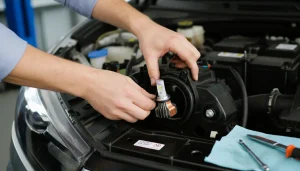
Installation always depends on vehicle layout. Tight engine bays complicate everything.
Front access took patience. Rear access was easier. That’s normal.
The bulbs seated cleanly. No forcing, grinding, and trimming tabs. That alone eliminates half the usual frustration.
Polarity testing was quick. Flip if needed. Done.
I took my time. I didn’t rush. Total install time was around 40 minutes. I’ve spent longer fixing mistakes caused by rushing.
Performance on the Road
This is where things matter.
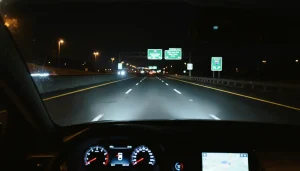
The light output was immediately stronger than the factory halogens. Not just brighter, but clearer. Lane markings stood out. Side markers became visible from inside the cabin. That never happened before.
Color temperature matched the existing OEM LEDs closely. No mismatched tones. No strange shadows.
Most important? No flicker, warning lights, or hyperflash, even after extended run time.
I tested heat soak by running hazards and lights together. The system adjusted smoothly. That tells me internal regulation is doing its job.
First Drive Impressions
The change was immediate.
Light output increased, but more importantly, it became usable. Road edges showed earlier. Signs reflected clearly. The beam stayed controlled instead of spilling everywhere.
Color temperature matched existing OEM LEDs closely. That gave the front end a unified look. No odd color clash.
I noticed something else, too. The cabin reflection from the side markers became visible on the ground. That never happened with halogens.
Small detail. Big difference.
Lasfit LED Headlight Bulbs: How They Compare
When people ask about LASFIT LED headlight bulbs.
Brightness is strong without being harsh. Beam control stays tight inside factory housings. That matters more than raw lumen numbers.
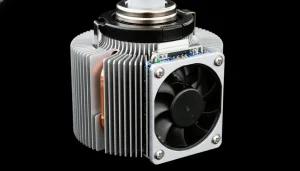
Cooling systems vary by model, but airflow design is thoughtful. Heat exits where it should, not back into the housing.
Would I call them perfect? No bulb is. But they behave predictably. That’s rare.
Lasfit LED Headlight Bulbs in Daily Use
People often ask me if LASFIT LED headlight bulbs work for everyday driving.
From my experience, yes—if expectations are realistic.
They don’t turn night into daylight. They don’t replace a full OEM LED system. What they do is improve clarity, consistency, and comfort.
Beam pattern stayed stable. No stray glare. Oncoming traffic didn’t flash me. That’s always my quiet test.
Brightness remained consistent over time. No early dimming.
Lasfit H7 LED Bulbs: A Closer Look
H7 applications are tricky. Alignment matters. A bad fit ruins everything.
The lasfit h7 led bulbs I tested seated properly and locked in place without wobble. That alone avoids many beam issues people complain about online.
Brightness exceeded halogen output by a wide margin. The upgrade was obvious during night driving, especially on secondary roads.
If your vehicle uses H7 bulbs and has limited housing space, checking clearance before ordering is smart. Sinks still need breathing room.
Heat Management: The Silent Factor
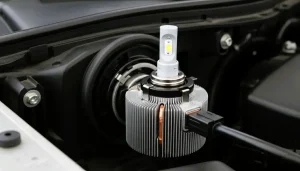
Heat doesn’t announce itself. It slowly destroys LED boards.
I monitored housing temperature after extended use. No excessive buildup. Airflow design did its job.
This matters because heat damage shows up weeks later, not on day one. Stable performance early usually predicts longer service life.
Lasfit H7 LED Bulbs: Fitment Matters More Than Output
H7 sockets demand precision.
The lasfit h7 led bulbs I tested locked into place properly. No wobble. No rotation play. That keeps the beam where it belongs.
Light output exceeded halogen levels comfortably. The upgrade was obvious during night driving, especially on rural roads.
If your housing is shallow, measure clearance first. LED heat sinks still need space to breathe.
Skipping that step causes half the complaints I see online.
Lasfit H7 LED Bulbs: Are They Worth It?
The LASFIT H7 LED bulbs are designed for vehicles that use H7 bulb sizes, which are common in many European and Asian cars.
What Is an H7 LED Bulb?
H7 bulbs are typically used for low beams or high beams, depending on the vehicle. They require precise alignment to avoid scattered light.
Lasfit H7 LED Bulb Highlights
- Direct H7 replacement design
- Consistent beam pattern
- Strong brightness without excessive glare
- Improved durability compared to halogen H7 bulbs
For drivers currently using halogen H7 bulbs, the upgrade to Lasfit’s LED version is noticeable in both brightness and color clarity.
Lasfit LED Bulb Review: A Balanced View
Here’s my honest LASFIT LED bulb review, stripped of hype.
What Works Well
- Simple installation
- Clean, controlled light
- Stable electronics
- No wiring changes
Where Limits Exist
- Higher cost than no-name bulbs
- Vehicle-specific fitment still matters
- Headlight legality varies by region
None of these surprised me. Quality products usually trade cost for reliability.
Hyperflashing Explained Simply
Hyperflashing happens when the vehicle thinks a bulb has failed. LEDs draw less power. Older systems interpret that as a problem.
Many fixes add resistors. Resistors create heat. Heat damages wiring.
I avoid that approach.
Internal load control handled this properly here. Signals stayed steady even after extended run time.
That’s the difference between solving a problem and hiding it.
OEM LEDs vs Aftermarket LEDs
OEM LED systems are built as complete units. Aftermarket bulbs replace one piece of that system.
That difference explains why aftermarket options sometimes fall short.
Still, the gap here was smaller than expected. Output, color, and consistency held up well.
For halogen upgrades, the improvement feels large. For OEM LED owners, it’s more subtle.
Legal Reality (Short and Clear)
This matters, even if it’s inconvenient.
Factory-installed LEDs are legal.
Most aftermarket headlight replacements are not approved for road use in the U.S.
That doesn’t mean instant tickets. It means responsibility stays with the driver.
Turn signals and marker lights are generally allowed. Headlights depend on local rules.
Check before installing. It saves trouble later.
Who This Upgrade Makes Sense For
Based on everything I’ve tested, this upgrade fits drivers who:
- Want better visibility
- Prefer reversible installs
- Value stable electronics
- Don’t want wiring changes
It’s less ideal if:
- Your housing space is extremely tight
- You want the cheapest option available
- Local laws are strictly enforced
Comparing Other Bulb Sizes
If you’re still comparing formats, I’ve tested alternatives too. My breakdown of the H11 LED bulb explains how socket design changes beam behavior and fitment. It’s helpful if you’re deciding between sizes.
Long-Term Use Observations
After two weeks of daily driving, nothing changed. That’s a compliment.
No dimming. No flicker and error codes. Not any loose fittings.
LED failures usually show early if they’re going to happen. Stability here suggests solid internal connections.
Maintenance and Longevity Expectations
LEDs don’t require much care. Still, I check connections periodically. Dust buildup and vibration can loosen things over time. That’s usually a good sign.
What I’d Do Differently Next Time
Honestly? Not much.
I’d still double-check housing clearance before ordering. That’s the most overlooked step.
I’d also verify local rules ahead of time. It avoids second-guessing later.
Other than that, the process was straightforward.
Vehicle Compatibility and Fitment
Before purchasing, it’s important to confirm compatibility. Headlight housings vary by vehicle, and clearance can be an issue in some models.
Lasfit provides a vehicle fitment tool to help ensure:
- Correct bulb size
- CANBUS compatibility
- Proper housing clearance
This step helps avoid returns and installation issues.
Lasfit LED Bulbs vs Other LED Brands
Compared to no-name LED bulbs, Lasfit offers:
- Better beam focus
- More consistent brightness
- Improved reliability
- Brand-backed warranty and support
While cheaper alternatives exist, they often compromise on light pattern or longevity.
FAQs About Lasfit LED Bulbs
Are Lasfit LED bulbs street legal?
Legality depends on local regulations and whether the bulb is approved for on-road use.
Do Lasfit LED bulbs cause hyperflash?
Most models are CANBUS-ready, reducing hyperflash issues.
How long do Lasfit LED bulbs last?
With proper cooling, they can last significantly longer than halogen bulbs.
Are Lasfit LED headlight bulbs waterproof?
Yes, most models are designed to handle rain and moisture.
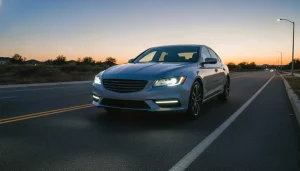
Lighting upgrades often promise more than they deliver. This one delivered what I expected. Better visibility. Cleaner output. No electrical drama. I don’t recommend upgrades lightly. Bad ones cause glare, errors, or frustration. This setup avoided those problems. Would I install them again? Yes.
Would I recommend them blindly? No. Check fitment and laws first. Do that, and the upgrade can be smooth—maybe even enjoyable. That’s rare enough to mention.