Low Fat Dog Food for Pancreatitis Nutrition Guide

Low Fat Dog Food for Pancreatitis can make the difference between painful flare-ups and a stable, healthy recovery for your dog.
When a dog’s pancreas becomes inflamed, even small amounts of fat can trigger severe vomiting, abdominal pain, and emergency vet visits. That’s why choosing the right low-fat diet is not just important, it’s essential.
Causes And Symptoms Of Canine Pancreatitis
Canine pancreatitis is a serious condition affecting a dog’s pancreas. This organ helps with digestion and blood sugar control. When the pancreas becomes inflamed, it causes pain and digestive issues. Understanding the causes and symptoms helps in early detection and care.
Pancreatitis can develop suddenly or over time. Knowing the signs allows owners to seek treatment quickly. This reduces the risk of severe complications and improves recovery chances.
Causes Of Canine Pancreatitis
One common cause is eating fatty foods. High fat levels stress the pancreas and trigger inflammation. Obesity also raises the risk by putting strain on the pancreas.
Other causes include certain medications and infections. Some dogs have genetic factors that make them prone to pancreatitis. Trauma to the abdomen or other illnesses can also lead to this condition.
Symptoms Of Canine Pancreatitis
Dogs with pancreatitis often show sudden vomiting and diarrhea. They may lose appetite and become weak or tired. Abdominal pain is common, so dogs might curl up or avoid touch.
Some dogs breathe fast or have a fever. Changes in behavior, like restlessness or depression, can appear. Noticing these symptoms early can help a vet provide timely care.

Why Low-Fat Diets Matter
A low-fat diet plays a key role in managing pancreatitis in dogs. Pancreatitis is inflammation of the pancreas, a vital organ for digestion. Fat is hard to digest and can cause more pain and damage.
Reducing fat intake helps the pancreas rest and heal. It lowers the chance of flare-ups and keeps your dog comfortable. Choosing the right food supports recovery and long-term health.
How Fat Affects The Pancreas
Fat causes the pancreas to work harder. This strains the organ and worsens inflammation. A high-fat diet can trigger sudden pancreatitis attacks. Low-fat food eases this stress and supports healing.
Benefits Of A Low Fat Diet
Low-fat diets reduce pain and discomfort. They help control symptoms like vomiting and diarrhea. These diets improve digestion and nutrient absorption. Your dog feels better and gains energy.
Choosing The Right Low-Fat Dog Food
Pick foods with less than 10% fat content. Look for products labeled for sensitive stomachs or pancreatitis. Avoid treats and table scraps high in fat. Consistency is important for managing pancreatitis well.
Key Ingredients To Look For
Choosing the right ingredients is important for dogs with pancreatitis. Low-fat dog food helps reduce stress on the pancreas. Ingredients should support digestion and provide good nutrition.
Some ingredients help calm inflammation. Others give energy without causing fat buildup. Knowing what to choose keeps your dog healthy and happy.
Lean Protein Sources
Lean meats like chicken and turkey are best. They provide protein without extra fat. Fish such as whitefish or cod also work well. Protein helps repair body tissues and build muscle.
Complex Carbohydrates
Carbohydrates like brown rice and sweet potatoes provide steady energy. They digest slowly, keeping blood sugar stable. These carbs are gentle on the stomach and easy to absorb.
Low Fat Content
Fat should be very low to protect the pancreas. Avoid high-fat ingredients like beef or pork fat. Oils such as fish oil can be good in small amounts. They support coat and brain health.
Added Fiber
Fiber helps with digestion and bowel health. Ingredients like pumpkin and beet pulp add fiber. Fiber also helps control blood sugar and cholesterol levels.
Essential Vitamins And Minerals
Vitamins like E and C support the immune system. Minerals such as zinc and selenium help fight inflammation. Look for dog food with balanced nutrients for overall health.


What Is Considered Low-Fat Dog Food for Pancreatitis?
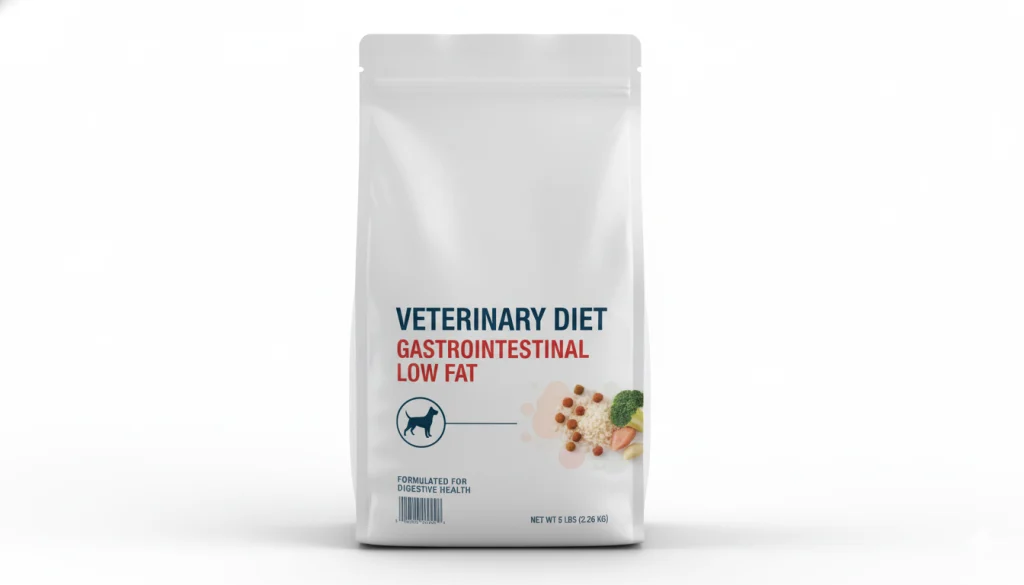
Low-fat dog food for pancreatitis contains a reduced amount of fat to prevent stress on the pancreas. Most therapeutic diets contain less than 10% fat on a dry matter basis. Some veterinary formulas go even lower, between 5% and 8%, for dogs with severe cases.
Regular dog food often contains 14% to 20% fat, which can trigger flare-ups. For dogs recovering from pancreatitis, controlled fat levels are necessary to prevent inflammation and digestive discomfort.
Always check the guaranteed analysis label and avoid foods with added animal fats or heavy oils.
Best Dog Food for Pancreatitis (Vet-Recommended Options)
Choosing the best dog food for pancreatitis depends on your dog’s condition, age, and severity of symptoms. Veterinary diets are often recommended because they are formulated for digestive support and fat control.
These options focus on:
- Highly digestible ingredients
- Controlled fat levels
- Balanced nutrients for recovery
Consult your veterinarian before switching to a therapeutic formula.
Hill’s Science Diet for Pancreatitis
Hill’s Science Diet offers low-fat gastrointestinal formulas developed for digestive health. These recipes use easy-to-digest ingredients and controlled fat content to reduce pancreatic strain.
Many veterinarians recommend Hill’s Prescription Diet i/d Low Fat for dogs with pancreatitis. It supports nutrient absorption and helps reduce vomiting and diarrhea during recovery.
Royal Canin Dog Food for Pancreatitis
Royal Canin produces Gastrointestinal Low Fat formulas designed for sensitive digestive systems. These diets contain precise fat levels and balanced fiber to improve stool quality and digestion.
Royal Canin is often used for both short-term management and long-term dietary control of pancreatitis.
Purina Low Fat Dog Food
Purina Pro Plan EN Gastroenteric Low Fat is another veterinary option. It contains moderate protein and restricted fat to support recovery.
This formula helps maintain energy while reducing digestive workload. It is commonly prescribed after acute pancreatitis episodes.
Blue Buffalo Low Fat Dog Food
Blue Buffalo offers gastrointestinal support recipes with reduced fat levels. Some options are available without a prescription.
These formulas use natural ingredients and are suitable for mild cases or maintenance under veterinary guidance.
Comparison of the Best Low-Fat Dog Food for Pancreatitis
Choosing the right formula depends on fat percentage, prescription requirement, and your dog’s recovery stage. The table below compares common veterinary and commercial options to help you make a faster decision.

Low-Fat Dog Food Comparison Table
| Brand / Formula | Fat % (Approx.) | Prescription Required | Best For | Dry / Wet Option |
| Hill’s Prescription Diet i/d Low Fat | 6–8% | Yes | Acute & chronic pancreatitis | Dry & Wet |
| Royal Canin Gastrointestinal Low Fat | 5–7% | Yes | Severe or recurring cases | Dry & Wet |
| Purina Pro Plan EN Low Fat | 8–10% | Yes | Digestive recovery | Dry & Wet |
| Blue Buffalo GI Support | ~8–10% | Some versions No | Mild cases/maintenance | Dry |
| Non-Prescription Low-Fat Brands | Under 10% | No | Mild pancreatitis | Mostly Dry |
Pros and Cons of Low-Fat Dog Food for Pancreatitis
Pros
- Reduces stress on the pancreas
- Lowers risk of flare-ups
- Improves digestion
- Helps manage chronic pancreatitis
- Supports long-term recovery
Cons
- Prescription options can be expensive
- Limited flavor variety
- Some dogs may need a gradual transition
- Requires strict portion control
Best Low-Fat Dry Dog Food for Pancreatitis
Dry dog food is convenient and cost-effective. It allows easy portion control and longer storage. The best dry dog food for pancreatitis should contain less than 10% fat and include highly digestible protein sources.
Check ingredient lists carefully. Avoid foods with animal fat, by-products high in fat, or excessive oils.
Online retailers such as Chewy, Amazon, and warehouse stores may carry low-fat dry options. Always verify the nutritional label before purchasing.
Best Low-Fat Wet Dog Food for Pancreatitis
Wet dog food contains higher moisture levels, which support hydration and digestion. It is often easier for dogs with reduced appetite.
The best low-fat wet dog food for pancreatitis should have controlled fat levels and simple ingredients. Canned therapeutic formulas are commonly recommended during recovery.
If you are comparing options, you may also review your guide on Best Wet Dog Food for additional product insights.
Best Low-Fat Dog Food Without a Vet Prescription
Some dogs with mild pancreatitis can use non-prescription low-fat dog food. These products are available in pet stores and online.
When choosing a non-prescription option:
- Confirm fat content is under 10%
- Avoid high-fat meat sources
- Choose limited-ingredient recipes
Dogs with severe or recurring pancreatitis should follow veterinary advice before switching diets.

Low-Fat Dog Food for Special Needs
Dogs have different nutritional needs based on size, age, and health condition. Selecting the right formula improves long-term management.
Low-Fat Dog Food for Small Dogs
Small dogs require smaller kibble sizes and calorie-controlled portions. Choose formulas specifically labeled for small breeds while maintaining low fat content.
Low-Fat Dog Food for Senior Dogs
Senior dogs benefit from joint-support nutrients such as glucosamine and omega-3 fatty acids in controlled amounts. The formula should remain low in fat while supporting aging digestion.
Low-Fat Dog Food for High Cholesterol
Dogs with high cholesterol often need restricted fat intake. Low-fat dog food with added fiber can help regulate lipid levels and support heart health.
Low-Fat Dog Food Without Chicken
Some dogs with pancreatitis also have chicken allergies. In these cases, choose recipes based on white fish, turkey, or egg whites. Always confirm the fat percentage remains within the recommended range.
Understanding Fat Percentage and Dry Matter Basis (DMB)
Fat percentage on dog food labels can be confusing. Most labels list fat as “as fed,” which includes moisture. Wet food contains more water, so the fat percentage may look lower than it actually is.
To accurately compare foods, veterinarians use the Dry Matter Basis (DMB). This method removes moisture from the calculation and shows the true fat level. For dogs with pancreatitis, food under 10% fat on a dry matter basis is generally recommended. Severe cases may require formulas between 5% and 8%.
Vets calculate dry matter by subtracting the moisture percentage from 100. Then they divide the fat percentage by the remaining dry portion. This provides a more accurate comparison between dry and wet foods.
Sudden high-fat meals can trigger acute pancreatitis because fat stimulates strong enzyme release from the pancreas. When the pancreas is inflamed, this enzyme surge can worsen irritation and cause severe pain. That is why consistent fat control is important for long-term management.
Sample Feeding Guidelines by Weight
Portion control is important during pancreatitis recovery. Overfeeding can strain digestion, even with low-fat food. Always follow your veterinarian’s advice, but general daily feeding examples may look like this:
- 10 lb dog: Approximately ¾ to 1 cup per day, divided into 3–4 small meals
- 25 lb dog: Approximately 1½ to 2 cups per day, divided into 3 meals
- 50 lb dog: Approximately 3 to 3½ cups per day, divided into 3 meals
These amounts vary depending on calorie content and your dog’s activity level. Smaller, frequent meals reduce digestive workload and help prevent flare-ups.
When to Call a Vet Immediately
Pancreatitis can worsen quickly. Some symptoms require urgent veterinary care.
Contact your veterinarian immediately if your dog shows:
- Persistent or repeated vomiting
- Severe abdominal pain or a hunched posture
- Signs of dehydration (dry gums, weakness)
- Extreme lethargy or collapse
Early treatment improves recovery and reduces the risk of complications. Do not attempt to manage severe symptoms at home without professional guidance.
Acute vs Chronic Pancreatitis in Dogs
Pancreatitis can be either acute or chronic. Understanding the difference helps with proper diet management.
Acute pancreatitis appears suddenly. Dogs may show severe vomiting, abdominal pain, and loss of appetite. This type often requires immediate veterinary care and strict dietary control.
Chronic pancreatitis develops slowly over time. Symptoms may be mild but recurring, such as occasional vomiting or digestive upset. Dogs with chronic pancreatitis usually need long-term low-fat dog food to prevent flare-ups.
Both forms require controlled fat intake, but chronic cases often need permanent diet adjustments.
Can Raw Dog Food Cause Pancreatitis?
Raw dog food can sometimes increase the risk of pancreatitis. Many raw diets contain high levels of fat, especially those with fatty cuts of meat.
High fat intake stimulates the pancreas and may trigger inflammation in sensitive dogs. For dogs with a history of pancreatitis, raw feeding is generally not recommended unless carefully formulated and approved by a veterinarian.
If you are considering alternative diets, review the fat percentage carefully and consult a professional before making changes.
How Long Should a Dog Stay on a Low-Fat Diet?
The duration depends on the severity of the condition.
Dogs recovering from a mild episode may remain on a low-fat diet for several weeks. However, dogs with chronic or recurring pancreatitis often require lifelong fat restriction.
Your veterinarian will monitor symptoms and blood work before recommending any dietary changes. Sudden increases in fat intake can trigger another episode, so adjustments should always be gradual.

Transitioning to Low-Fat Dog Food
Switching to low-fat dog food should be done gradually to prevent stomach upset.
A typical transition plan lasts 5 to 7 days:
- Day 1–2: 25% new food, 75% old food
- Day 3–4: 50% new food, 50% old food
- Day 5–6: 75% new food, 25% old food
- Day 7: 100% new food
If your dog shows vomiting or diarrhea, slow the transition. Smaller, more frequent meals during the switch help reduce digestive strain.
Where to Buy Low-Fat Dog Food
Low-fat dog food is available through several sources:
Veterinary Clinics:
Prescription gastrointestinal formulas are often sold directly through your vet. These options are suitable for moderate to severe cases.
Online Retailers:
Websites such as Chewy or Amazon carry both prescription and non-prescription low-fat options. Always verify fat percentage before purchasing.
Pet Specialty Stores:
Many stores offer limited-ingredient or sensitive stomach formulas that may meet low-fat requirements for mild cases.
Choose products based on fat content and veterinary advice rather than marketing claims.
Homemade Meal Ideas For Healing
Preparing homemade meals for dogs with pancreatitis helps control fat intake. It supports healing and reduces flare-ups. Home-cooked food lets you know exactly what goes into your dog’s diet. This control is key to managing pancreatitis effectively.
Simple ingredients and careful cooking can make tasty, low-fat meals. These meals provide nutrition without stressing the pancreas. Here are some easy homemade meal ideas for healing your dog.
Boiled Chicken And Rice
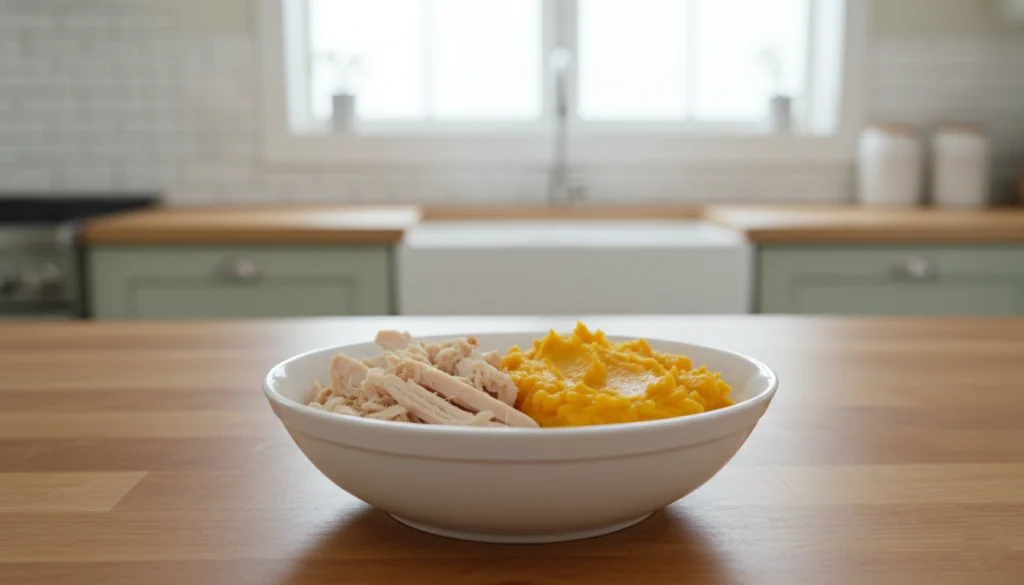
Boil skinless chicken breast until fully cooked. Avoid spices and oil. Cook white rice separately until soft. Mix chicken and rice in equal parts. This meal is gentle on the stomach and low in fat.
Lean Turkey With Sweet Potato
Use lean ground turkey, cooked without fat. Boil or bake sweet potatoes until soft. Mash sweet potatoes and combine with turkey. Sweet potatoes add fiber and vitamins. This meal supports digestion and energy.
Egg White And Pumpkin Mash
Cook egg whites without oil or butter. Steam or boil fresh pumpkin until tender. Mash pumpkin and mix with egg whites. Pumpkin soothes the digestive tract. Egg whites provide protein without fat.

What Foods Can I Feed a Dog With Pancreatitis?
Safe food options include:
- Boiled skinless chicken breast
- White rice
- Sweet potatoes
- Pumpkin
- Egg whites
Avoid:
- Fatty meats
- Fried foods
- Table scraps
- Dairy products
- High-fat treats
Feeding simple, low-fat meals reduces digestive strain and lowers flare-up risk.
What Foods Won’t Irritate Pancreatitis?
Foods that are low in fat and easy to digest are least likely to irritate the pancreas. Choose limited-ingredient recipes with moderate fiber and high-quality protein.
Avoid artificial additives and heavy seasonings. Consistency in feeding is important for preventing digestive stress.
What Is the Best Low Fat Dog Food for Pancreatitis?
The best low-fat dog food depends on:
- Severity of pancreatitis
- Age and breed
- Other health conditions
- Veterinary guidance
Some dogs respond better to prescription formulas, while others manage well on carefully selected commercial or homemade diets. The key factor is strict fat control and consistent feeding.
Frequently Asked Questions
What Is Low Fat Dog Food For Pancreatitis?
Low-fat dog food has less fat to help dogs with pancreatitis digest food easily.
Why Is Low Fat Important For Dogs With Pancreatitis?
Low-fat reduces stress on the pancreas, helping it heal and function more effectively.
Can All Dogs Eat Low Fat Food For Pancreatitis?
Not all dogs need it; only those diagnosed with pancreatitis or a sensitive pancreas.
How To Choose The Best Low-Fat Dog Food?
Look for foods with fat under 10% and high-quality protein sources.
Is Royal Canin good for pancreatitis?
Royal Canin Gastrointestinal Low Fat formulas are commonly recommended by veterinarians. They contain precisely controlled fat levels and are designed to improve digestion and nutrient absorption in dogs with pancreatic disorders.
How long should a dog stay on low-fat dog food after pancreatitis?
Many dogs remain on a low-fat diet long term, especially if they have chronic pancreatitis. Some mild cases may transition to moderate-fat maintenance diets under veterinary supervision. Always consult your veterinarian before changing food.
Can I feed homemade low-fat dog food for pancreatitis?
Yes, but homemade diets must be carefully balanced. Lean protein, simple carbohydrates, and minimal fat are required. A veterinarian or canine nutritionist should review homemade recipes to ensure proper vitamin and mineral balance.
Is wet or dry food better for pancreatitis?
Both can be appropriate if fat content is controlled. Wet food provides more moisture and may improve appetite, while dry food offers convenience and easier portion control. The fat percentage matters more than the format.

Conclusion
Managing pancreatitis is not just about feeding less fat; it’s about protecting your dog from pain, relapse, and long-term complications.
The right low-fat dog food can:
- Reduce inflammation
- Prevent emergency flare-ups
- Support digestive healing
- Improve your dog’s energy and comfort
Whether you choose a veterinary prescription formula, a carefully selected commercial brand, or a balanced homemade diet, consistency is the key to long-term success.
Work closely with your veterinarian, monitor symptoms carefully, and stay committed to fat control. With the right nutrition strategy, many dogs with pancreatitis go on to live happy, comfortable lives.
About the Author
Israt Jahan is a pet care researcher and content writer focused on dog nutrition and health topics. She creates well-researched, easy-to-understand guides to help dog owners make informed feeding decisions. Her work focuses on practical diet solutions, ingredient analysis, and digestive health management for dogs.
Disclaimer: This article is for educational purposes only and does not replace professional veterinary advice.