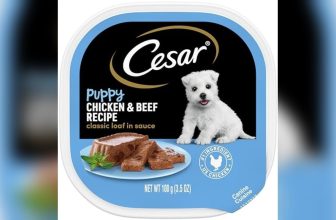
Pet Food for Balanced and Daily Nutrition

Pet food plays a direct role in your pet’s health, energy, and daily comfort. The right choice supports digestion, strong muscles, and a longer, happier life. With so many options available, knowing what to look for makes feeding decisions easier and safer.
You’ll also learn how to choose food based on age, species, and lifestyle.
Who This Pet Food Guide Is For
This guide is designed for pet owners who want clear, reliable feeding guidance without confusion. It suits first-time owners, experienced caregivers, and those managing special dietary needs. The goal is to simplify food selection while supporting long-term pet health.
This guide is not intended to replace personalized veterinary treatment for pets with complex medical conditions.


Quick Comparison Snapshot: Choosing Pet Food at a Glance
Different food types serve different purposes. Comparing moisture level, ingredient quality, and feeding suitability helps narrow choices quickly. A clear overview allows faster decision-making without sacrificing nutritional value.
Types Of Pet Food
Choosing the right type of pet food matters for your pet’s health and happiness. Pets need different nutrients based on their age, size, and activity level. Understanding the types of pet food helps you pick the best option.
Dry Food Benefits
Dry food is easy to store and lasts longer. It helps keep your pet’s teeth clean by reducing plaque. Dry food usually costs less than other types. It comes in many flavors and formulas for all pets.
Wet Food Advantages
Wet food contains more water, helping pets stay hydrated. It often has a stronger smell and taste that pets enjoy. Wet food is softer, which is good for pets with dental problems. It can be easier to digest for some pets.
Raw And Homemade Diets
Raw and homemade diets let you control ingredients. They can be fresher and free from preservatives. Some pets benefit from natural and less processed food. Preparing these diets needs care to keep pets safe.

Real-World Feeding Experience and Practical Insights
Pet food choices affect daily health, not just nutrition on paper. Real feeding results depend on portion size, ingredient tolerance, and consistency. Many owners make small mistakes that slowly impact digestion, weight, and energy levels. Understanding real-world feeding scenarios helps avoid common problems and supports better long-term outcomes.
For example, switching from dry food to wet food overnight often causes diarrhea or vomiting in dogs. Gradually mixing the new food over several days reduces digestive stress and improves acceptance.
Common Pet Feeding Mistakes to Avoid
Overfeeding, sudden food changes, and ignoring ingredient labels are frequent mistakes. These habits often lead to digestive upset, weight gain, or nutrient imbalance. Even high-quality food can cause issues when fed incorrectly. Knowing what to avoid helps protect your pet’s health and reduces unnecessary vet visits.
Vet-Style Feeding Warnings Pet Owners Should Know
Some feeding practices carry hidden risks. Mixing incompatible foods, skipping essential nutrients, or relying on unbalanced homemade diets can cause long-term health issues. Veterinary guidance emphasizes consistency, proper formulation, and gradual changes. Awareness of these warnings helps owners make safer feeding decisions.
Veterinary nutrition guidelines consistently recommend balanced formulations and gradual diet changes to prevent long-term health complications.
Practical Scenarios for Choosing the Right Pet Food
Food selection depends on lifestyle, age, and health status. Active pets require higher energy intake, while senior pets benefit from joint and digestive support. Pets with allergies need limited-ingredient formulas. Matching food to real-life conditions leads to better results than choosing based on popularity alone.

Pet Food Comparison Table
| Pet Food Type | Best For | Key Benefits | Things to Consider |
| Dry Food | Adult dogs and cats | Easy storage, budget-friendly, and supports dental health | Low moisture content |
| Wet Food | Cats, senior pets | High moisture, better taste, easier chewing | Short shelf life after opening |
| Raw Food | Active pets with special diets | Minimal processing, fresh ingredients | Requires careful handling |
| Homemade Food | Pets with specific needs | Full ingredient control | Risk of missing nutrients |
| Organic Pet Food | Sensitive pets | Fewer additives, clean ingredients | Higher cost |
| Prescription Diets | Pets with health issues | Targeted nutrition | Vet approval required |
Pros and Cons of Different Pet Food Types
Understanding both benefits and drawbacks helps pet owners avoid feeding mistakes. No single food type suits every pet. Evaluating pros and cons allows better alignment with health needs, lifestyle, and budget.
Advantages of Commercial Pet Food
Commercial pet food offers consistent nutrition and convenience. These products follow regulated standards and include balanced nutrients. These products are easy to find and convenient to store. Most options are formulated for specific life stages.
Limitations of Commercial Pet Food
Some commercial foods include fillers or low-quality ingredients. Certain pets may react poorly to common additives. Reading labels is necessary to avoid unsuitable formulas. Quality standards can vary significantly between different brands.
Advantages of Homemade and Raw Diets
Homemade and raw diets allow full control over ingredients. These options can suit pets with allergies or special dietary needs.
Limitations of Homemade and Raw Diets
Improper planning can lead to nutrient deficiencies. Food safety risks increase without correct handling. Veterinary guidance is essential when preparing meals at home.
How to Read a Pet Food Label Correctly
Pet food labels reveal more than brand claims. Ingredient order shows what makes up most of the food, while guaranteed analysis explains nutrient levels. Understanding the difference between marketing terms and actual nutrition helps owners choose food based on facts, not packaging.
Ingredient Order and What It Really Means
Ingredients are listed by weight before processing. Named animal proteins at the top usually indicate higher quality. Vague terms and fillers often signal lower nutritional value. Reading ingredient order prevents misleading assumptions.
Guaranteed Analysis and Nutritional Balance
Guaranteed analysis outlines protein, fat, fiber, and moisture levels. These values help compare foods accurately. Balance matters more than high numbers alone.
Marketing Terms vs Nutritional Reality
Words like “natural,” “premium,” or “holistic” are not regulated indicators of quality. Actual nutrition depends on formulation and ingredient sourcing. Learning this distinction protects owners from misleading claims.
Essential Nutrients For Pets
A balanced diet is essential for pets to remain healthy, energetic, and active. Essential nutrients help their bodies grow, repair, and function well. A good pet food provides these nutrients in the right amounts. Understanding these nutrients helps you choose the best food for your pet.
Proteins And Fats
Proteins build strong muscles and support the immune system. Pets get proteins from meat, fish, and eggs. Fats give pets energy and keep their skin healthy. Healthy fats come from fish oil and chicken fat. Both proteins and fats are vital for daily energy and body repair.
Vitamins And Minerals
Vitamins help pets stay healthy and prevent illness. They support vision, skin, and bone health. Minerals like calcium and phosphorus build strong bones and teeth. Iron helps carry oxygen in the blood. A balanced mix of vitamins and minerals is key to good health.
Hydration Needs
Water is essential for all pets. It helps digestion, temperature control, and joint health. Dry pet food does not provide enough water. Fresh water should always be available. Proper hydration keeps pets alert and active every day.

Choosing Food For Different Pets
Choosing the right food for pets is important for their health and happiness. Different pets need different nutrients. Feeding them properly helps them grow strong and stay active. Understanding what each pet needs makes feeding easier and safer.
Dogs’ Dietary Needs
Dogs need protein for muscle and energy. They also need fats and carbohydrates. Vitamins and minerals keep the body working well. Puppies require food with more calories and nutrients. Adult dogs require well-balanced meals to maintain a healthy weight, while senior dogs benefit from formulas that support joint health.
Cats’ Nutritional Requirements
Cats are carnivores and need lots of protein. They require taurine, an essential amino acid. Cats need fat for energy and healthy skin. They do not digest carbohydrates well. Wet food helps keep cats hydrated. Feeding the right food prevents common health problems.
Small Pets And Exotic Animals
Small pets like rabbits and guinea pigs need high fiber. Hay is important for their digestion. Exotic pets have unique diets. Some need insects, fruits, or special pellets. Research their needs carefully before choosing food. Proper feeding helps them live longer and healthier lives.
Tips For Feeding And Storage
Feeding pets properly and storing their food safely is very important. It keeps pets healthy and happy. Knowing how much to feed and how to store food can prevent many problems. Here are some simple tips to follow.
Portion Control
Feed pets the right amount daily. Too much food can cause weight gain and health issues. Too little food can lead to malnutrition and weakness.
Check the pet food package for serving size. Adjust portions based on your pet’s age, size, and activity level. Use a measuring cup for accuracy. Avoid free feeding, which lets pets eat anytime. Set regular meal times to build a routine.
Safe Storage Practices
Store pet food in a cool, dry place. Keep it away from sunlight and moisture. Use airtight containers to prevent bugs and mold. Avoid leaving food open for long periods.
Check expiration dates before feeding. Discard expired or stale food. For wet food, refrigerate leftovers and use within two days. Proper storage keeps food fresh and tasty.
Recognizing Food Allergies
Watch for signs of food allergies in pets. Symptoms include itching, redness, vomiting, or diarrhea. Some pets may have ear infections or hair loss. Introduce new foods slowly. Observe any reactions for a few days. Consult a vet if you notice allergy signs.
How to Switch Pet Food Safely
Changing pet food too quickly can cause digestive issues. A gradual transition allows the digestive system to adjust. Mixing old and new food over several days reduces stress and improves acceptance. Safe transitions support long-term feeding success.

Best Pet Food Options Based on Quality and Diet Type
Not all pet food offers the same nutritional value. Quality depends on ingredients, processing methods, and how well the food supports daily health needs. Choosing the right option helps improve digestion, energy levels, and overall wellness.
Organic and Pure Pet Food Choices
Organic and pure pet food focuses on clean ingredients and minimal processing. These foods often avoid artificial colors, flavors, and preservatives. Always check labels to confirm ingredient sources and nutritional balance.
Best Pet Food for Sensitive Pets
Some pets react poorly to common ingredients like wheat, soy, or certain proteins. Limited-ingredient pet food reduces the risk of digestive issues and skin irritation. These formulas use fewer components, making it easier to identify and avoid triggers. Sensitive pets often do better with gentle, easy-to-digest meals.
How to Evaluate Pet Food Brands Effectively
Not all pet food brands offer the same nutritional value. Brand quality depends on ingredient sourcing, formulation standards, and testing practices. Evaluating brands using clear criteria helps pet owners choose food that meets specific health needs rather than relying on marketing claims.
How to Choose the Right Brand for Your Pet’s Needs
The best brand varies by pet type and condition. Large dogs need joint-support formulas, while small breeds require calorie-dense options. Sensitive pets benefit from simplified ingredient lists. Selecting a brand based on nutritional purpose improves feeding outcomes and reduces trial-and-error.
What Makes One Pet Food Brand Better Than Another
Superior brands prioritize named protein sources, balanced nutrient profiles, and transparent labeling. Manufacturing standards and safety testing also play a role.
Best Dog Food Brands for Different Needs 1
Dogs require balanced nutrition based on age, size, and activity level. The right dog food supports muscle strength, digestion, and long-term health. Brand quality matters because sourcing and formulation affect nutrient absorption and safety. Comparing options helps dog owners make better feeding choices.
Best Dry Dog Food for Everyday Feeding
Dry dog food is convenient, shelf-stable, and easy to portion. It supports dental health by reducing plaque buildup. High-quality dry food contains animal-based protein, healthy fats, and essential vitamins.
Trusted Dog Food Brands
Reliable dog food brands focus on ingredient transparency and consistent quality. Brands with clear sourcing and testing standards build trust over time. Choosing well-reviewed products lowers the risk of nutritional gaps and feeding issues. Reputation and safety history should guide brand selection.
Best Dry Dog Food for Daily Feeding
Dry dog food works well for routine meals and easy storage. High-quality options include animal-based protein as the first ingredient. Balanced dry food supports dental health and steady energy levels. It suits adult dogs with normal activity needs.
Best Cat Food Choices for Kittens and Adults
Cats have specific dietary needs that differ from those of other pets. Proper cat food supports muscle health, vision, and energy levels. Feeding the right formula at each life stage helps prevent common health problems.
Best Cat Food for Kittens
Kittens grow quickly and need food rich in protein and fat. Their meals should support brain development, bone growth, and immune strength. Soft textures and moisture-rich options are easier for young cats to eat. Feeding kitten-specific food ensures proper nutrient intake during early growth.
Homemade Cat Food Recipes: Pros and Safety Tips
Homemade cat food allows control over ingredients but requires careful planning. Cats need specific nutrients that may be missing from home-prepared meals. Veterinary guidance is necessary before replacing commercial food.
Pet Food Brands, Ratings, and Reviews
Pet food ratings and reviews help owners compare products more easily. They highlight ingredient quality, safety records, and user experience. Brand transparency plays a major role in trust.
How Pet Food Ratings Are Determined
Ratings often consider protein sources, ingredient clarity, and manufacturing standards. Foods with named meat ingredients and fewer fillers score higher. Safety testing and recall history also affect rankings. Consistent quality improves long-term ratings.
Popular Pet Food Brands to Know
Many pet food brands offer different formulas for specific needs. Some focus on fresh ingredients, while others specialize in dry or wet food. Knowing brand strengths helps narrow down suitable options.

Pet Food Safety, Recalls, and Storage Products
Food safety directly affects pet health. Improper storage or recalled products can cause illness. Staying informed about safety practices helps reduce feeding risks. Using the right storage tools keeps food fresh and safe.
Understanding Pet Food Recalls
Pet food recalls happen due to contamination or labeling errors. Checking recall updates helps prevent feeding unsafe products. Batch numbers and expiration dates are important indicators. Quick action protects pets from harm.
Essential Pet Food Storage Accessories
Proper storage maintains food quality and prevents spoilage. Airtight pet food holders protect dry food from moisture and pests. Covers keep opened wet food fresh. Clean bowls reduce bacteria buildup and improve feeding hygiene.
Which Pet Food to Avoid
Not all pet food supports good health. Some products contain low-quality ingredients that may cause digestive problems or long-term health issues. Knowing what to avoid helps protect pets from unnecessary risks. Always review labels carefully before buying.
Ingredients to Avoid in Pet Food
Avoid pet food that lists unnamed meat by-products, artificial colors, or chemical preservatives. Excessive fillers such as corn syrup and low-grade grains add little nutritional value. Foods with high sugar or salt content can harm pets over time. Simple ingredient lists are usually safer.
Why Quality Pet Food Matters
Good pet food supports growth, energy, and immune health. Balanced nutrition helps maintain a healthy weight and improves coat condition. Quality food also reduces the risk of allergies and digestive discomfort. Consistent feeding with proper nutrition supports long-term well-being.

WSAVA-Approved Dog Food Explained
WSAVA-approved dog food follows nutrition guidelines set by the World Small Animal Veterinary Association. These guidelines focus on proper formulation, ingredient quality, and safety testing. Foods aligned with WSAVA standards are often recommended by veterinarians. Approval helps pet owners choose diets backed by scientific feeding practices.
Pet Food Buying Guide: Price, Retailers, and Delivery
Buying pet food involves more than choosing a brand. Price, availability, and delivery options affect long-term convenience. Understanding where and how to buy helps pet owners save time and money. Reliable retailers ensure product quality and freshness.
Pet Food Price Factors
Prices vary based on ingredients, sourcing, and special formulas. Premium foods often cost more due to higher-quality components. Budget options may work for healthy pets without special needs. Price should align with nutritional value.
Where to Buy Pet Food
Pet food is available at local stores and online retailers. Local shops offer personal service, while online stores provide convenience and wider selection. Delivery services help maintain consistent feeding schedules. Choose retailers with clear return and safety policies.
Pet Food in the USA Market
Pet food sold in the USA follows specific labeling and safety standards. These regulations help ensure ingredient accuracy and quality control. Many owners prefer products made under strict manufacturing rules. Understanding market standards builds confidence in food choices.
Pet Food Lists and Manufacturers
Organized pet food lists make comparison easier. Knowing manufacturers helps identify product origins and quality practices. Transparency from companies improves buyer confidence. Clear categorization supports better decision-making.

Common Types of Pet Food Products
It comes in dry, wet, raw, freeze-dried, and prescription forms. Each type serves different dietary needs. Some focus on convenience, while others emphasize freshness. Choosing the right type depends on the pet’s health and routine.
Leading Pet Food Companies
Companies vary in size and focus. Some produce mass-market products, while others specialize in limited batches. Manufacturing standards and ingredient sourcing define quality. Company credibility supports safer feeding choices.
Frequently Asked Questions
What Are The Best Ingredients In Pet Food?
The best ingredients include real meat, vegetables, and whole grains. Avoid fillers, artificial colors, and preservatives. High-quality proteins support pet health and energy.
How To Choose The Right Pet Food Brand?
Look for brands with transparent ingredient lists, positive reviews, and veterinary recommendations. Ensure the food matches your pet’s age, size, and health needs.
Can Homemade Food Replace Commercial Pet Food?
Homemade food can be healthy if balanced and nutrient-rich. Consult a vet to ensure all dietary needs are met to avoid deficiencies.
How Often Should I Feed My Pet Daily?
Most pets eat twice a day, but puppies and kittens may need more frequent meals. Adjust feeding based on age, activity, and vet advice.

Conclusion
Choosing the right pet food supports long-term health, steady energy, and daily comfort. Ingredient quality, food type, and proper feeding habits all affect how pets feel and behave. Reading labels and understanding nutrition helps prevent common feeding problems.
Every pet has different needs based on age, size, and activity level. Consistent, informed feeding builds a healthier and happier companion over time.
About the Author
This article is written by Israt Jahan, a pet care researcher who focuses on pet nutrition, feeding habits, and product safety. The goal is to provide clear, practical guidance that helps pet owners make informed food choices. All recommendations are based on ingredient analysis, feeding standards, and current pet care knowledge.