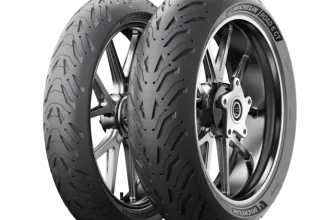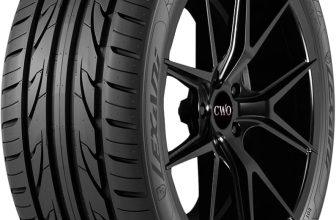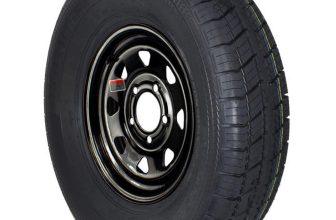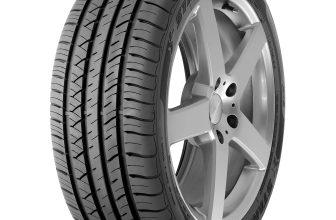
Radial Tires: Revolutionizing Your Driving Experience
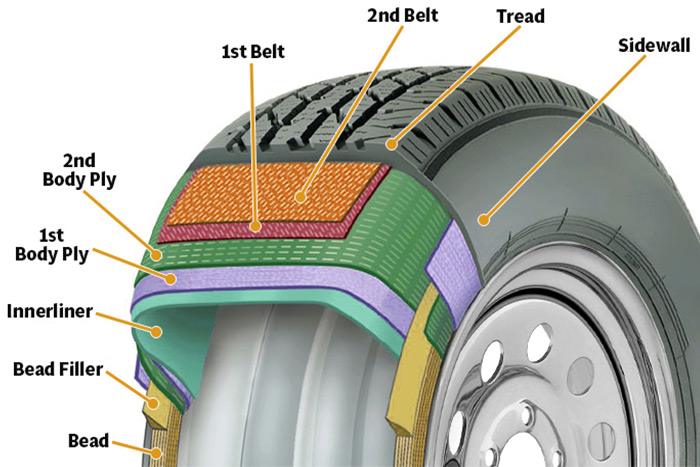
Radial tires have transformed the driving experience. They offer durability and improved performance. These tires have become a standard in the automotive world. They provide better traction and a smoother ride. Understanding their benefits can enhance your driving safety and comfort. Radial tires feature a unique design that sets them apart from traditional tires.
Their construction involves layers of fabric arranged at 90-degree angles to the direction of travel. This design allows the tire to flex more easily. The result? A more comfortable ride and better fuel efficiency. Radial tires also wear evenly, extending their lifespan. With these tires, drivers experience improved handling and stability on the road. For anyone interested in cars or driving, learning about radial tires is essential. They play a crucial role in vehicle performance and safety.

Introduction To Radial Tires
Radial tires have quietly revolutionized the way we drive. If you’re wondering what makes radial tires so special, you’re in the right place. This introduction will guide you through the basics, helping you understand why they are a preferred choice for many drivers.
History And Development
Did you know that radial tires were first developed in the 1940s? Specifically, Michelin introduced them to the market, revolutionizing the tire industry. At the time, these tires featured cords arranged at a 90-degree angle to the direction of travel. This innovative design allowed for more flexible sidewalls, which significantly enhanced overall performance.
To put it into perspective, think back to when you first learned to ride a bike. Now, imagine upgrading from a basic model to one that glides effortlessly—that’s what radial tires did for automobiles. In comparison to older designs, they offered improved traction, longer tread life, and greater fuel efficiency.
Over time, radial tires gained popularity around the world. Eventually, they became the standard for most passenger vehicles. After all, have you ever wondered how a simple change in design could lead to such a widespread shift in the automotive world?
Comparison With Bias Tires
Let’s dive into the differences between radial and bias tires. Bias tires have layers of cords at angles less than 90 degrees. This design makes them stiffer, affecting ride comfort and traction. Imagine driving on a bumpy road with biased tires. The stiffness can make the ride less smooth. On the other hand, radial tires absorb shocks better, offering you a more comfortable experience.
Why does this matter to you? If you’re looking for durability and a smoother ride, radial tires might be your best bet. They outperform bias tires in handling and fuel efficiency. Have you ever felt your car grip the road better during a sharp turn? Radial tires are likely responsible for that added confidence.
So, what’s your experience with radial tires? Have they changed the way you drive? Understanding their history and advantages could help you make better choices for your vehicle. It’s not just about getting from point A to B—it’s about how you get there.
Benefits Of Radial Tires
Radial tires have transformed the driving experience. They offer numerous advantages for vehicle owners. Their unique construction sets them apart. Let’s explore some key benefits.
Enhanced Fuel Efficiency
Radial tires reduce rolling resistance. This means less energy is needed to move the vehicle. Lower energy consumption leads to better fuel efficiency. Drivers can save money on fuel over time. It’s a significant advantage for long-distance travelers.
Improved Traction And Stability
Radial tires offer superior grip on the road. Their design ensures more rubber contacts the surface. This results in better traction, especially in wet conditions. Enhanced traction means safer driving. Stability is also greatly improved. Radial tires adapt well to different road surfaces. This provides a smoother and more controlled ride.
Radial Tires And Safety
Radial tires have significantly influenced the automotive industry, especially regarding safety. Their unique construction offers benefits that enhance driving experiences and ensure safety. Whether you’re navigating winding roads or cruising on highways, steel-belted radials play a crucial role in keeping you safe.
Durability And Longevity
Radial tires are designed to last longer than traditional bias-ply tires. Their construction involves layers that run across the tire radially, which helps distribute pressure evenly. This design reduces wear and tear, allowing your tires to endure longer journeys without frequent replacements.
Imagine planning a road trip without worrying about tire blowouts or frequent stops for checks. With radial tires, you gain peace of mind knowing your tires are built to withstand the rigors of the road. Wouldn’t it be great to invest in something that promises durability?
Impact On Vehicle Handling
Steel-belted radials significantly improve vehicle handling. Their construction enhances grip and traction, providing better control and stability. This is especially crucial when driving in challenging conditions like rain or snow.
Consider how much easier it is to steer your vehicle around sharp corners or maintain control during sudden stops. Steel-belted radials can make all the difference, offering you a smoother and safer driving experience. How confident do you feel knowing your tires support your driving actions?
As you explore tire options, remember the impact of steel-belted radials on safety. Their durability and handling characteristics are not just technical specs; they’re your allies on the road. Investing in steel-belted radials means investing in your safety. Are you ready to make the switch to a safer drive?

Future Of Radial Tire Technology
The future of radial tire technology is not just about making your ride smoother; it’s about redefining the driving experience altogether. As you drive, you might not think much about the tires beneath you. But imagine a world where your tires are smarter, more efficient, and environmentally friendly. This future is already being shaped, and it promises to change the way you think about your vehicle’s performance.
Innovations In Design
Have you ever wondered how tire design impacts your driving? Innovations are making radial tires lighter and stronger. Engineers are using advanced materials to enhance durability without adding weight. This means better fuel efficiency for your vehicle.
Consider how the technology in your smartphone has evolved. Tire technology is following a similar path. New designs are focusing on minimizing road noise and improving grip. These improvements not only provide a quieter ride but also enhance safety, particularly in wet conditions.
What does this mean for you? Expect more responsive tires that can adapt to different road surfaces. Picture driving on a winding road with tires that adjust to give optimal traction. This is the kind of innovation that’s on the horizon.
Sustainability And Eco-friendly Options
Are you concerned about the environment? Steel-belted radials are stepping up to meet eco-friendly standards. Manufacturers are using sustainable materials and eco-friendly production processes. This reduces the carbon footprint of tire production.
Consider this: old tires often end up in landfills. New technologies are focusing on recyclability. Tires are being designed to be more easily recycled, which helps in reducing waste. You can feel good knowing your choice in tires contributes to a healthier planet.
But how does this affect your daily life? Eco-friendly tires often offer a longer lifespan, meaning fewer replacements. This not only saves you money but also reduces environmental impact. Next time you choose tires, think of how your decision can make a positive difference.
As you ponder these advancements, ask yourself, how will these changes impact your driving habits? Will you opt for technology-focused tires or prioritize sustainability? The future of radial tire technology is here to challenge you to think differently about your drive.
Frequently Asked Questions
What Does “Radial” Mean on Tires?
Steel-belted radials have cords arranged at 90 degrees to the direction of travel. This design improves stability, traction, and fuel efficiency. Radial construction also offers a smoother ride and longer tread life compared to bias-ply tires.
Are Radial Tread Tires Better Than Regular Tires?
Steel-belted radials typically offer better performance than regular tires. They provide improved traction, longer tread life, and enhanced fuel efficiency. Radial construction allows for flexible sidewalls, resulting in a smoother ride. These benefits make radial tires a preferred choice for most modern vehicles compared to traditional bias-ply tires.
Are Radial Tread Tires All-Season Tires?
Steel-Belted Radials and all-season tires are not the same. Radial refers to the tire construction. All-season tires are designed for diverse weather conditions. Some radial tires can be all-season, but not all radial tires are. Always check the tire specifications for confirmation.
Conclusion
Steel-belted radials offer excellent durability and grip on the road. They enhance driving comfort and provide better fuel efficiency. Cost-effective in the long run, these tires reduce maintenance needs. Their design ensures better stability and traction. Ideal for everyday driving and long trips.
Steel-belted radials are a smart choice for many drivers. They adapt well to various road conditions. Choosing touring radial tires can improve your driving experience. Consider them for a safer and smoother ride. Make informed decisions for your vehicle’s tire needs. Invest in quality that lasts longer and performs well.