
Tail Light vs Brake Light: What Every Driver Should Know.
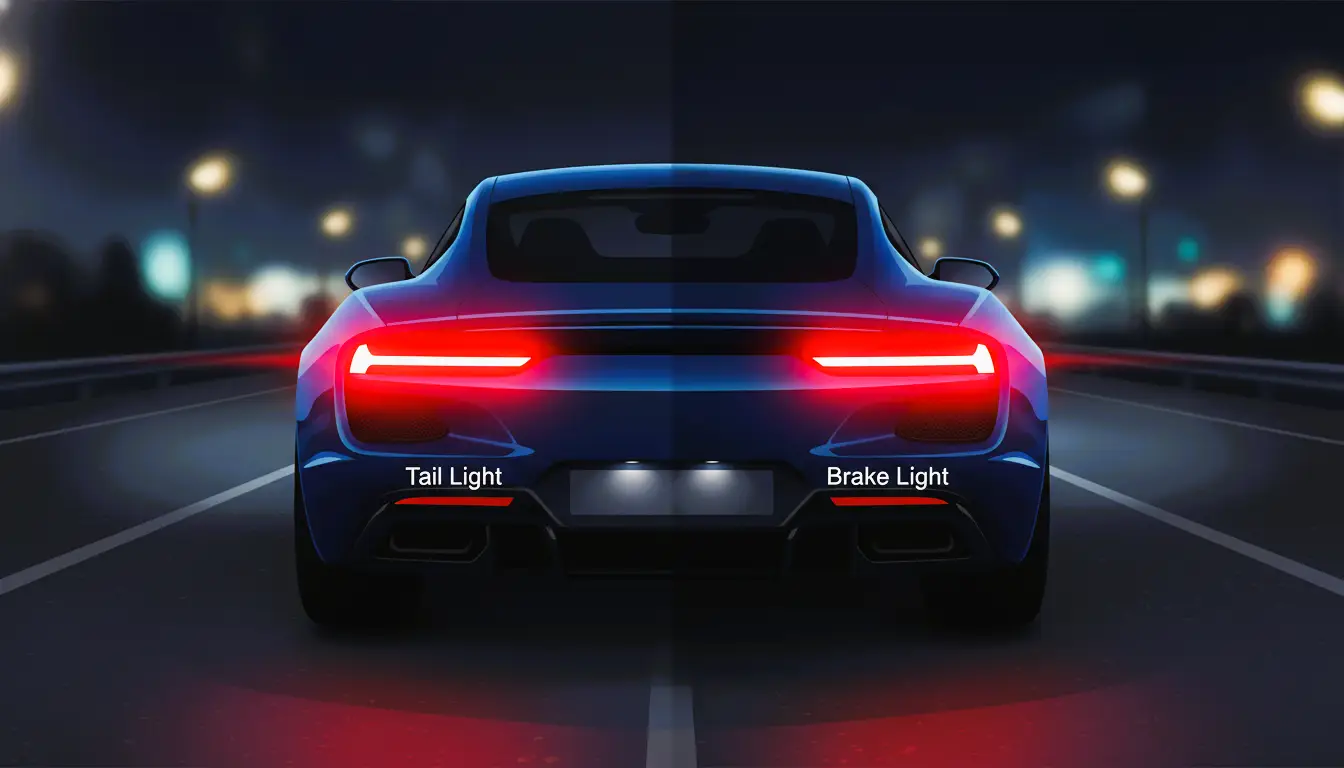
Tail Light vs Brake Light breaks down their functions simply so you can spot issues, improve visibility, and avoid accidents at night. If you have ever walked behind your car at night, you may have seen how some lights glow softly. You may also notice others shine brighter when you press the brake pedal. These are your tail lights and brake lights. They are important safety features. Most drivers do not think about them until they stop working.
But here’s the twist:
While both lights are located in the same area of your car, they serve very different purposes, operate through different circuits, and fail for different reasons. And yes, this common problem is real. Sometimes the taillights stop working, but the brake lights still work. This happens because they are different systems.
So today, we’re breaking down everything you need to know about tail lights vs brake lights. Whether you’re curious, troubleshooting an issue, or considering an LED upgrade like AUXITO H11 LED bulbs, this guide will walk you through it all. Let’s get started.

What Are Tail Lights? (And Why Your Car Needs Them)
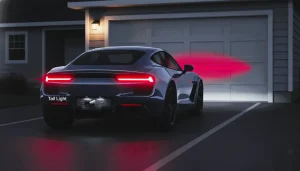
Tail lights are the soft red lights on the rear of your vehicle that automatically turn on whenever your headlights are on. They help other drivers see you. They do not just show that you are stopping. They also show that you are on the road.
When Do Tail Lights Turn On?
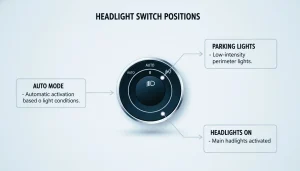
Your tail lights automatically activate when:
- You turn on your headlights
- Your car switches to auto-night mode
- Your parking lights are on
- Visibility is low (if your car has automatic sensors)
They are not made to show braking. They only help others see your car. Think of tail lights as your car saying, “I am right here” to other drivers at night.
How Tail Light vs Brake Light Works
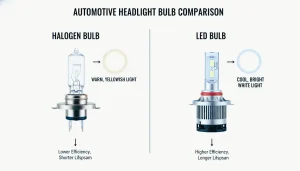
Most cars use either:
- Halogen bulbs (older models)
- LED bulbs (modern vehicles)
LED tail lights are becoming more common because they’re brighter, last longer, and react more quickly. Even if you don’t have a factory LED setup, many drivers upgrade their lighting system with aftermarket LEDs for performance and safety. That’s where products like AUXITO H11 LED bulbs often come in, depending on your car’s fitment.
What Are Brake Lights?
Brake lights are the bright red rear lights that activate only when you press the brake pedal. Their job is simple but crucial: alert drivers behind you that you’re slowing down or stopping. Unlike tail lights, brake lights are much brighter. Their intensity helps instantly grab attention, especially during heavy traffic or bad weather when visibility drops.
When Brake Lights Turn On:
- When you apply the brakes
- When adaptive cruise control slows your car
- When automatic emergency braking activates
- When your car’s brake system detects pressure
How Brake Lights Work
Brake lights operate through a brake pedal switch (also called a brake light switch). When you press the pedal, the switch closes the circuit, powering the brake lights. Just like tail lights, brake lights also come in halogen or LED versions. And again, LED upgrades offer better brightness, faster response time, and improved safety.
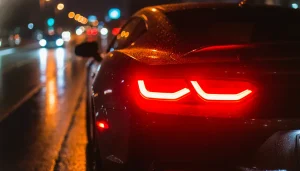
Tail Light vs Brake Light: The Practical Differences I Look For
People search for this comparison because the two are close together and both red, but they serve completely different purposes. So here’s how I break down the differences whenever someone brings me a question about them.
- Brightness
- Tail side: steady, softer glow
- Brake side: sharp, intense brightness designed to grab attention
If the glow looks like it wants to be noticed, that’s your stop signal.
- Activation
- Tail side: turns on with headlights or automatic nighttime sensors
- Brake side: activates the moment your foot touches the pedal
The two turn on for completely different reasons, which is why one can fail while the other still works (something I’ll talk about later).
- Purpose
- Tail side: helps others see your car
- Brake side: tells others you’re slowing or stopping
Both keep you safe, but in different ways. You need both to drive responsibly.
Why Do Tail Lights and Brake Lights Look Similar?
Most drivers assume they’re the same because:
- They’re placed next to each other
- They share the same red lens
- Many cars use dual-filament bulbs (older models)
- They’re part of one light assembly
However, even when housed together, they work independently. If one stops working, the other often still works. But this only lasts until the problem becomes bigger.
Why the Difference Matters More Than Most Drivers Think
I often tell people this:
You may not think about these lamps every day, but everyone behind you does. I have driven on many late-night roads. A good rear light makes a big difference. It helps other drivers see you early. Without it, they may notice you too late. Your brake signal is the one that gives other drivers time to react. And your tail glow makes sure they recognise your presence from a distance.
If one of them fails, you lose a layer of protection. If both fail, you become a hazard. And you wouldn’t believe how fast an unnoticed car can blend into a dark highway.
How I Check My Rear Tail Light vs Brake Light Without Complicating My Life
Checking them doesn’t require any technical knowledge. This is the routine I still use because it works every time. You can do it alone, or you can use assistance (human or mechanical).
Checking the Tail Light vs Brake Light Glow
- I turn on my headlights.
- I walk behind the vehicle.
- I check for a steady red glow on both sides.
If the glow flickers, appears dim, or fails to turn on, that tells me something’s wrong with the bulb or the wiring. Sometimes the glow looks fine until you compare it to the other side. Mismatched brightness is a sign that one side is on its way out.
Checking the Brake Signal
If you have someone with you, this is simple:
- I press the pedal.
- They check if the bright signal activates quickly and evenly on both sides.
If I’m alone, I reverse near a wall or garage door so I can see the reflection. This trick has saved me many unnecessary trips to the shop. The brake signal should be noticeably brighter than the tail glow. If there isn’t a difference, the brightness output is failing.
Tail Light vs Brake Light: What’s the Real Difference?
How Tail Lamps Work (and Why They Matter More Than You Think)
Most drivers do not think about what is happening behind them. They only think about it when something goes wrong. Rear lighting systems operate in a surprisingly coordinated way. Even though the components are small, they play a major role in communication and safety on the road. So, how do tail units actually work?
Powered by the Headlight Switch
These lights activate the moment you turn on your headlights or switch to auto mode. They are made to turn on when visibility is low. They work at dusk. They work in fog. They work in the rain. They work at night. The point is simple: help other drivers see you from a distance.
Dimmer Output for Continuous Visibility
Unlike stopping signals, tail illumination uses a lower-intensity glow. It’s not meant to alert others to sudden movement, just to show your presence clearly. Think of them as your car’s soft background lighting, always there but never too bright.
Shared Housing, Separate Circuits
In many vehicles, the rear assembly contains multiple functions within one unit. However, even when they share space, the wiring and bulbs often operate independently. That’s why you may notice the back lights fail while the stopping lamp still works—or vice versa.
Stability in All Weather
A strong rear glow is especially important during:
- heavy rain
- fog
- dust storms
- low-light evenings
Without them, the car becomes practically invisible. And that’s a risk no driver wants to take.
How Brake Lamps Work (and Why They’re Your Vehicle’s “Warning System”)
Stopping signals are designed to send a very clear message to anyone behind you: “I am slowing down now.” Their function might seem basic, but they’re engineered with both safety and split-second reaction in mind.
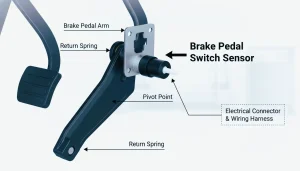
Let’s break down how they work.
Activated by a Switch on the Pedal
Any time you press the brake pedal, even a little, a small switch near the pedal turns on. It sends power to the rear light right away. This immediate response helps prevent rear-end collisions.
Brighter, Faster, More Noticeable
These signals glow significantly stronger than tail illumination. That burst of brightness grabs attention quickly, even if the person behind you is distracted or the weather is bad.
Independent Wiring
Even if the soft rear glow fails, the stopping indicators can still function normally. This is why you may find yourself asking why one works while the other doesn’t.
Communication Through Light
Stopping lamps don’t just illuminate; they communicate. They signal intention, movement, and reaction time. In many modern cars, enhanced features such as LED strips, pulse signals, or adaptive brightness systems make communication even clearer.
Tail Light vs Brake Light: A Complete Comparison
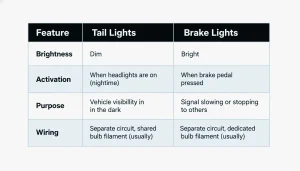
Here’s a simple way to understand the difference:
| Feature | Tail Light | Brake Light |
| When It Turns On | Auto/on with headlights | When the pedal is pressed |
| Brightness | Soft glow | Strong, bright signal |
| Purpose | Make your car visible | Warn others you’re slowing/stopping |
| Wiring | Usually separate | Independent circuit |
| Failure Impact | Reduced visibility | Increased risk of collisions |
Even though they work differently, both parts need to function properly for safe driving.
Tail Lights Not Working, but Brake Lights Are: What’s Going On?
This is one of the most common rear-lighting issues drivers encounter. If your vehicle’s back glow fails but the stopping signal still works, here are the likely causes:
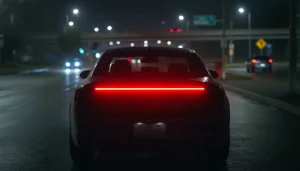
- Burnt Bulb
The simplest explanation is that the bulb has reached the end of its lifespan. Rear bulbs can fail earlier than stopping bulbs because they remain illuminated for a longer period.
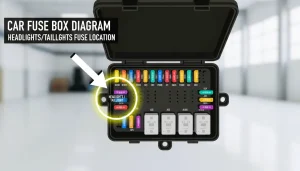
- Faulty Fuse
Each part of your light system has a fuse. If the tail light fuse burns out, the circuit stops working. But the brake light circuit still works.
- Wiring Problem
Corroded connectors, damaged wires, or moisture inside the housing can cause the system to malfunction.
- Switch Issue
Older vehicles use mechanical switches that activate when you turn on your headlights. If that switch develops a fault, it can cause illumination failure.
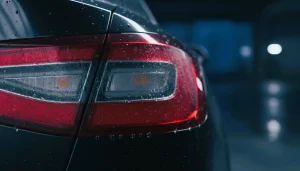
- Moisture Build-Up
Water inside the rear housing often leads to shorts or early bulb burnout.
- Old/Outdated Bulbs
If your vehicle uses traditional halogens, they may simply be wearing out faster than expected. Many drivers switch to modern LED replacements for durability.
Why Many Drivers Upgrade to LED Bulbs
Many car enthusiasts and everyday drivers upgrade their stock bulbs for better performance. LEDs offer:
- quicker illumination response
- longer lifespan
- lower energy consumption
- brighter projection
- better visibility
If you’ve ever wanted crisp, clean light output, switching to a dependable LED upgrade is a popular move.
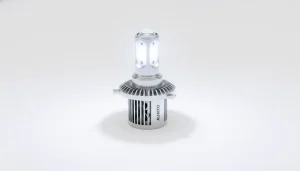
Auxito H11 LED Bulbs (and why drivers love them)
The H11 format is commonly used for low beams or fog lamps, but many car owners also use H11 LED upgrades in compatible tail housings or auxiliary systems. This is where Auxito enters the conversation.
Drivers choose this LED option because:
- It delivers bright and focused output
- offers plug-and-play installation
- has built-in resistors to prevent error codes
- features a durable, heat-resistant design
If you’re upgrading to improve clarity, these bulbs are known for stable performance and sharp illumination.
Common Symptoms of Failing Rear Illumination
How do you know something is wrong with your car’s rear system?
Here are warning signs:
- One side glows more dimly than the other
- The back lights flicker
- The signal only works sometimes
- The lens looks cloudy or foggy
- drivers behind flash their headlights at you
- Your dashboard shows a lighting error
Ignoring these signs can lead to serious visibility problems, especially during nighttime or bad weather.
How to Fix Tail or Brake Light Problems (Step-by-Step Guide)
Step 1: Check the Bulb
Remove the housing cover and inspect the bulb. If it’s dark, cloudy, or broken, it needs replacing.
Step 2: Inspect the Fuse Box
Locate the fuse panel and find the lighting fuse. If it’s burnt, replace it with one of the same rating.
Step 3: Clean the Connector
Rust, dust, or moisture can block current flow. Clean it carefully with electrical contact cleaner.
Step 4: Test the Wiring
Look for cuts, loose connections, or melted insulation.
Step 5: Replace Old Bulbs with Modern Options
LED upgrades offer longer-lasting, more reliable illumination.
Step 6: Check the Light Switch
If the fuse and bulb are fine, the headlight switch might be the problem.
Are Tail Lights and Brake Lights Interchangeable?
Short answer: No.
Even if they’re in the same housing, they’re on separate circuits. Some cars do use single bulbs with two filaments (one for the tail, one for the brake), but they still function independently. You cannot swap a brake light bulb directly into a taillight socket unless your car uses a universal dual-filament model.
Choosing the Right Tail Light or Brake Light Bulb
Before buying any bulb, check:
- Your vehicle’s bulb type
Do you need 1157, 7443, H11, or something else?
- LED vs halogen
- LED = longer life, brighter, more efficient
- Halogen = cheaper upfront
- Fitment
Not all bulbs fit all sockets.
- Brightness rating
Brighter is usually safer.
- Brand reliability
Trusted brands last longer and avoid flickering issues.
Upgrading to LED Tail and Brake Lights: My Experience
I have tested several LED upgrades myself. They really make a difference. LEDs look cleaner and sharper. They also help you see better. They last much longer than regular halogen bulbs.
Here’s why I prefer LED upgrades for rear lighting:
- Instant Brightness: LED lights illuminate instantly, which is critical for brake lights. Even a fraction-of-a-second delay matters at highway speeds.
- Longevity: Many LEDs last tens of thousands of hours. That’s years of worry-free driving.
- Energy Efficiency: They draw less power from your car’s electrical system, which is great for older vehicles.
- Stylish Look: Let’s be honest, my car just looks sharper at night with clean, crisp rear lights.
I often recommend the Auxito H11 LED bulbs for those wanting a simple plug-and-play upgrade. These bulbs are heat-resistant, bright, and compatible with most vehicles. They’ve never let me down on late-night drives, and they integrate smoothly with existing wiring.
Practical Advice for Maintaining Your Rear Lighting System
Even the best bulbs fail if you neglect the system. I follow a simple maintenance routine that ensures I never get caught with one light out:
- Regular Inspection – Every month, I check both tail and brake lights visually. Even a small flicker or dimming is a warning.
- Clean Lenses – Dust, grime, and road salt reduce brightness. I use a soft cloth and a gentle cleaner to wipe the lens every few weeks.
- Check Wiring – Occasionally, wiring near the rear housing gets loose or corroded. I inspect connections and apply dielectric grease if necessary.
- Replace Old Bulbs Promptly – Waiting until a bulb dies completely increases the risk of driving unnoticed at night.
- Use LED Upgrades – For both tail and brake lights, I prefer LEDs for their reliability and energy efficiency.
If you follow these simple steps, your rear lighting system will stay reliable for years. Think of it as preventive care for your car, like oil changes for your visibility.
Learning More About H11 LED Bulbs. If you’re considering an LED upgrade for your tail or brake lights, I’ve written a detailed guide about H11 LED bulbs that explains installation, benefits, and compatibility. I often link to this guide for readers who want a deeper understanding of why LED upgrades improve visibility, longevity, and energy efficiency. It’s a natural extension if you’re serious about safety and performance.
Safety and Regulatory Considerations
Before making any upgrades or customisations, remember that rear lights aren’t just cosmetic—they’re legally regulated.
- Tail Lights must always glow red and be visible from a safe distance.
- Brake Lights should be bright red and visible from at least 500 feet.
- Do not use unusual colours like blue or green for rear lights. They can confuse other drivers. They can also lead to fines.
- If installing LEDs, make sure the bulbs are CAN bus compatible to prevent dashboard error codes.
Following these rules keeps you safe, compliant, and avoids annoying tickets.
Common Mistakes Drivers Make
I’ve seen plenty of avoidable issues on the road, often caused by misunderstanding tail vs brake lights:
- Installing incompatible LED bulbs – Some LEDs flicker or cause errors if they aren’t designed for your car’s system.
- Ignoring minor flickers – A faint flicker today may become a full failure tomorrow.
- Using only one type of bulb – Some drivers replace brake lights but leave the tail lights halogen. For balanced performance, upgrade both if possible.
- Skipping inspections – I can’t stress this enough. A monthly check avoids last-minute failures in bad weather.
Avoiding these mistakes can prevent accidents, costly repairs, and legal headaches.
My Go-To Routine for Preventing Rear Light Failures
Here’s what I do to keep both tail and brake lights running flawlessly:
- Inspect once a month visually
- Clean lenses weekly if driving in rain, snow, or dusty areas
- Replace bulbs proactively, not reactively
- Upgrade to LEDs for reliability
- Test both tail and brake lights after any maintenance
Following this simple routine keeps my rear lights consistent, bright, and fully functional—even on long night drives.
When to Seek Professional Help
Not all problems are DIY-friendly. Here’s when I call a professional:
- Persistent flickering after changing bulbs
- Wiring damage inside the housing
- Faulty pedal switch or headlight switch
- Electrical issues are causing multiple lighting failures
Professional mechanics have the tools and knowledge to solve complex electrical problems safely. Trying to fix these yourself without experience can lead to more damage.
Wrapping It Up: Tail Light vs Brake Light Made Simple
Let’s summarise what I’ve learned over years of testing, upgrading, and fixing rear lights:
- Tail lights: Always on with headlights; soft glow; ensures visibility.
- Brake lights: Activate with the pedal; bright; warn others when you stop.
- Common issues: Burned bulbs, blown fuses, wiring faults, moisture, or outdated bulbs.
- Upgrades: LEDs improve brightness, longevity, and energy efficiency.
- Maintenance: Monthly inspection, lens cleaning, proactive replacement.
- Legal safety: Always comply with visibility standards; avoid unusual colours.
Both systems are crucial for road safety, and understanding their differences can save you from accidents, tickets, and the hassle of emergency repairs.
Frequently Asked Questions
Q. Do tail lights stay on while driving?
Yes, if your headlights or auto-light mode is active.
Q. Are tail lights always red?
Yes, legally, they must be red.
Q. Why do my brake lights work but my taillights don’t?
Usually a fuse, a bad bulb, a faulty switch, or a wiring issue.
Q. Can I use H11 bulbs for tail lights?
Most cars don’t use H11 for tail lights, but some use them for headlights or fog lights. Always check your owner’s manual.
Q. When should tail light bulbs be replaced?
Every 1–2 years for halogen, every 5+ years for LEDs.
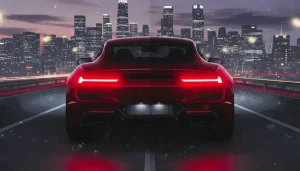
My Final Thoughts
I’ve spent years helping drivers troubleshoot and upgrade their rear lighting systems. It’s amazing how many people confuse tail and brake lights. But once you understand the differences and know how to maintain them, it’s simple. With a little attention, the right bulbs (like Auxito H11 LEDs), and routine inspections, you can ensure your car communicates clearly to everyone behind you, keeps you safe, and looks sharp while doing it.
Remember, a fully functional tail and brake light system isn’t just a luxury, it’s a safety habit. If you invest a few minutes regularly, it will prevent a lot of frustration, accidents, and repair costs down the road. Drive safely, keep your lights bright, and always check both glow and stop signals before heading out. Your rear lights are your car’s way of saying, “I’ve got your back.” Make sure they’re doing it well.