Tire Pressure Monitoring System Sensor: Essential Guide
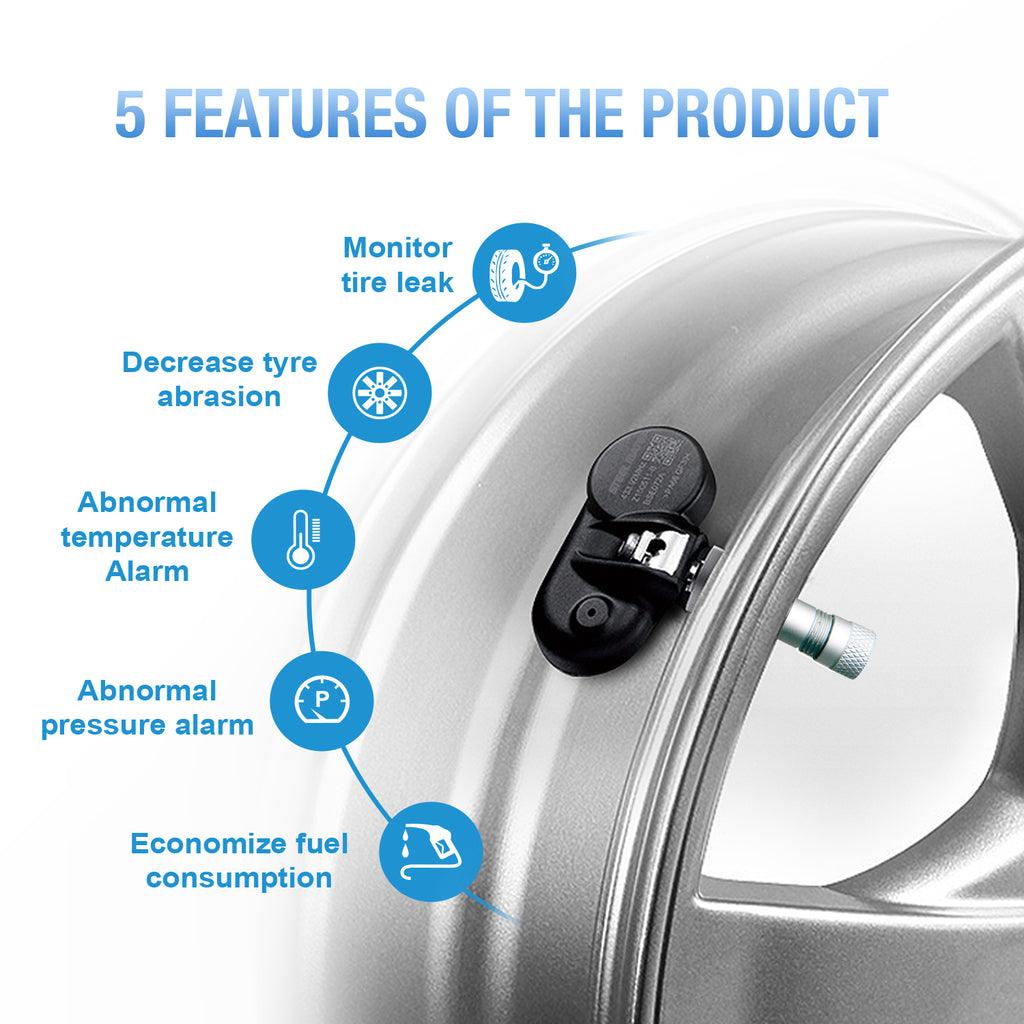
Tire Pressure Monitoring System Sensor ensures your tires are at the right pressure. These small devices play a crucial role in vehicle safety and efficiency.
In today’s fast-paced world, maintaining the right tire pressure can often be overlooked. Yet, it is vital for safe driving and fuel efficiency. TPMS sensors alert drivers when tire pressure drops too low or rises too high. This not only prevents potential accidents but also helps in reducing tire wear and tear.
As technology advances, these sensors have become more reliable and precise. Understanding how they work can help you make informed decisions about your vehicle’s maintenance. Let’s explore the importance of TPMS sensors and how they benefit you on the road.
Importance Of Tire Pressure Monitoring
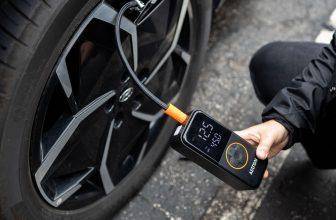
The Tire Pressure Monitoring System Sensor (TPMS) plays a crucial role in vehicle maintenance. These systems alert drivers when tire pressure drops below safe levels. Proper tire pressure ensures safety and enhances vehicle performance. Understanding the benefits of TPMS can lead to safer and more efficient driving experiences.
Safety Benefits of Tire Pressure Monitoring System Sensor
Maintaining proper tire pressure enhances vehicle safety. For example, underinflated tires can cause blowouts, which in turn often lead to road accidents. To help prevent this, a TPMS (Tire Pressure Monitoring System) alerts drivers early. As a result, it ensures tires stay at optimal pressure levels. Consequently, this reduces risks and promotes safe driving conditions.
Fuel Efficiency
Proper tire pressure boosts fuel efficiency. Underinflated tires create more road friction. This makes the engine work harder. More fuel gets consumed as a result. A TPMS helps keep tires at the right pressure. This reduces unnecessary fuel usage. Drivers can enjoy cost savings at the pump. Efficient fuel use also benefits the environment.
Types Of Tire Pressure Monitoring System Sensors
Tire Pressure Monitoring System (TPMS) sensors play a vital role. Specifically, they ensure optimal tire pressure for safety and efficiency. Generally, these sensors come in two main types. Therefore, understanding each type helps in choosing the right one for your vehicle.
Direct Taps
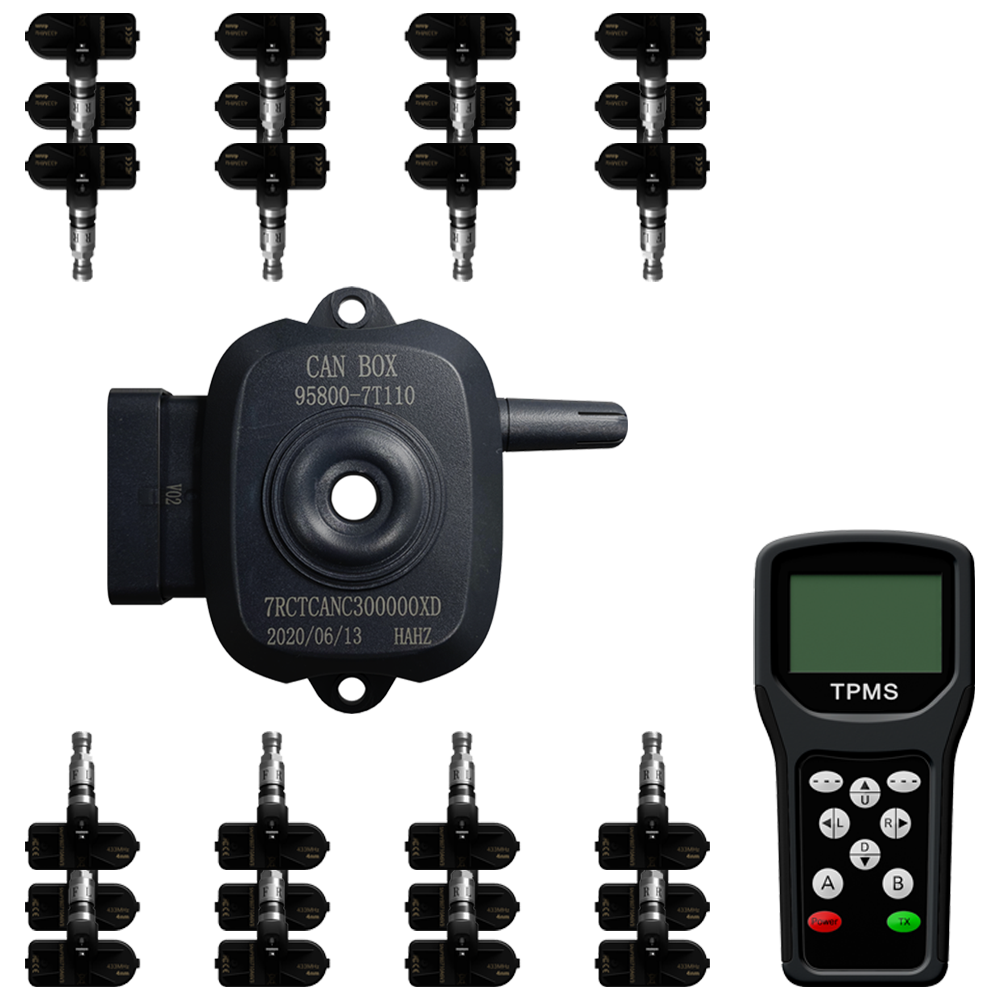
Direct TPMS uses sensors in each tire. These sensors measure the exact pressure. They then send real-time data to your vehicle’s dashboard. This system is highly accurate. It alerts you immediately if a tire pressure drops. Direct TPMS requires battery replacement over time. But it offers precise monitoring for each tire.
Indirect Taps
Indirect TPMS works differently. It doesn’t use physical pressure sensors. Instead, it relies on wheel speed sensors. These sensors monitor the rotation speed of each wheel. A deflated tire rotates differently. The system detects this change. Indirect TPMS is less precise than direct TPMS. But it doesn’t require battery maintenance. It’s a simpler, cost-effective option for many drivers.
Installation And Maintenance of Tire Pressure Monitoring System Sensor
Maintaining optimal tire pressure is crucial for vehicle safety and performance. The Tire Pressure Monitoring System Sensor (TPMS) helps monitor pressure levels. Proper installation and maintenance ensure its effectiveness. This guide explores DIY and professional installation options.
Diy Installation
DIY installation can save money. Gather the necessary tools before starting. Follow the TPMS sensor instructions carefully. Remove the tire valve stem cap. Unscrew the sensor from the valve stem. Place the new TPMS sensor on the valve stem. Tighten it securely using a wrench. Check if the sensor is working by starting the vehicle. Ensure the TPMS light is off. Regularly inspect sensors for any signs of wear. Cleaning sensors can improve their longevity.
Professional Services for Tire Pressure Monitoring System Sensor
Professional installation offers peace of mind. Experts ensure sensors are correctly fitted. They use specialized equipment for precise installation. This minimizes errors that could affect sensor performance. Professionals can also perform routine maintenance. They detect issues early and replace faulty sensors. This ensures the TPMS functions optimally. Schedule regular checkups for your TPMS sensors. This enhances their durability and reliability.

Troubleshooting Common Issues
Experiencing issues with your tire pressure monitoring system sensor can be frustrating. Understanding common problems helps ensure a safer drive. Let’s explore solutions to sensor malfunctions and incorrect readings.
Sensor Malfunctions
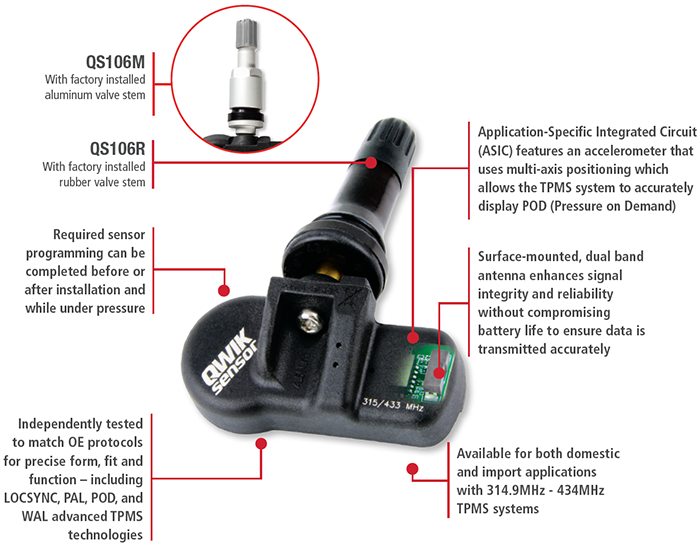
Sensors may stop working due to various reasons. Batteries in the sensors can die, causing them to malfunction. Physical damage is another common issue. Harsh road conditions can impact sensor performance. Dirt and debris can also interfere with sensor signals. Check for visible damage or dirt buildup. Regular cleaning can extend sensor life. Sometimes, a reset might solve minor issues. Consult your vehicle’s manual for reset instructions.
Incorrect Readings
Incorrect readings can lead to confusion. Calibration errors often cause wrong readings. Sensor calibration ensures accurate pressure display. Always check calibration settings if readings seem off. External temperature changes affect tire pressure. Tire pressure fluctuates with temperature changes. This might lead to incorrect sensor readings. Ensure tires are properly inflated. Regular tire checks can prevent inaccurate readings. Also, verify sensor compatibility with your vehicle. Different vehicles require specific sensor types. Using the wrong sensor can cause reading errors.
Frequently Asked Questions
How Much Should It Cost To Replace A Tire Pressure Sensor?
Replacing a tire pressure sensor typically costs between $50 and $250 per sensor. Prices vary based on vehicle type and location. Labor costs may add $30 to $100. It’s advisable to get multiple quotes from different service providers for the best price.
Can I replace a TPMS sensor myself?
Yes, you can replace a TPMS sensor yourself if you have the right tools and skills. Ensure you follow the manufacturer’s instructions carefully. If unsure, consult a professional to avoid damaging the sensor or wheel. Proper installation is crucial for accurate tire pressure monitoring.
What Does It Mean When My Car Says, Check Tire Pressure Monitoring System?
Your car is alerting you to check the tire pressure monitoring system. This system monitors tire pressure for safety. Ensure all tires are properly inflated to maintain optimal safety. If the warning persists, consult a mechanic to inspect the sensors or system for faults.
Proper tire pressure improves fuel efficiency and safety.
Conclusion
Tire Pressure Monitoring System Sensors keep your ride safe and smooth. They alert you to low tire pressure, preventing accidents. Regular checks are essential. Healthy tires mean better fuel efficiency and longer tire life. Save money and stay safe on the road.
Invest in reliable sensors for peace of mind. Easy to install and use. Perfect for every vehicle owner. Keep your tires in optimal condition. Enjoy your driving experience without worries. A simple addition for a safer journey. Stay informed and secure with these sensors. Safety is always worth it.