Tire Sealant: Ultimate Solution for Puncture Protection
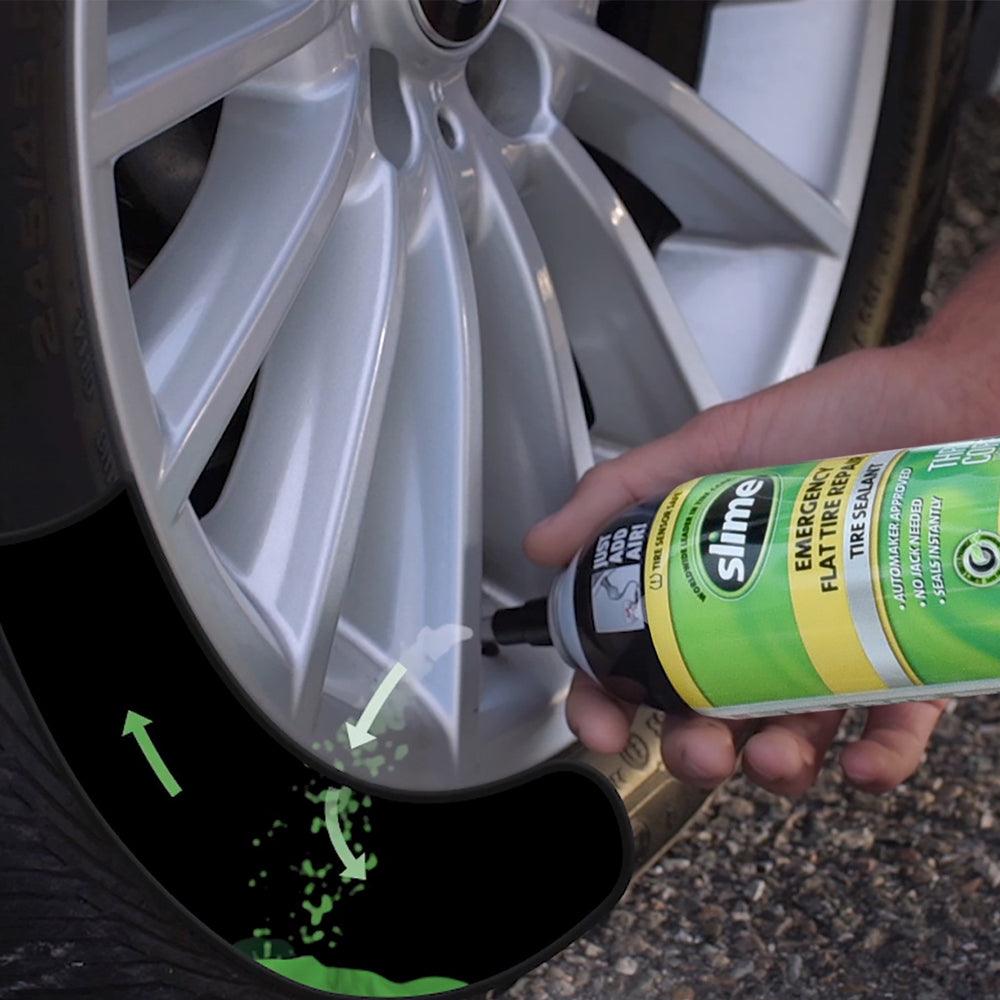
Tire sealant prevents flat tires. It seals punctures fast and effectively. This innovative solution is a must-have for drivers. It provides peace of mind on the road. Imagine cruising without the worry of sudden flats. Tire sealant is your silent protector. It offers convenience and safety. Whether you drive daily or occasionally, it saves time and stress.
Moreover, discover how this simple product can enhance your driving experience. It’s not just a quick fix. It’s a long-lasting answer to tire care needs. Embrace the ease of using tire sealant. It’s practical and reliable. You’ll enjoy uninterrupted journeys. With Flat Tire Sealer, you’re always prepared. Say goodbye to unexpected stops. Keep your travels smooth and secure. Dive into the world of tire sealant now!

Benefits Of Tire Sealant
Tire sealant helps fix punctures fast. Specifically, it fills the hole and stops air loss. As a result, there’s no need to change the tire right away. This means you can drive safely even with a puncture. Best of all, there’s no waiting for roadside help.
Sealant keeps tires working longer. Less wear and tear over time. Fewer flats means tires last. Cost savings on new tires. Better value for your money.
Types Of Tire Repair Sealant
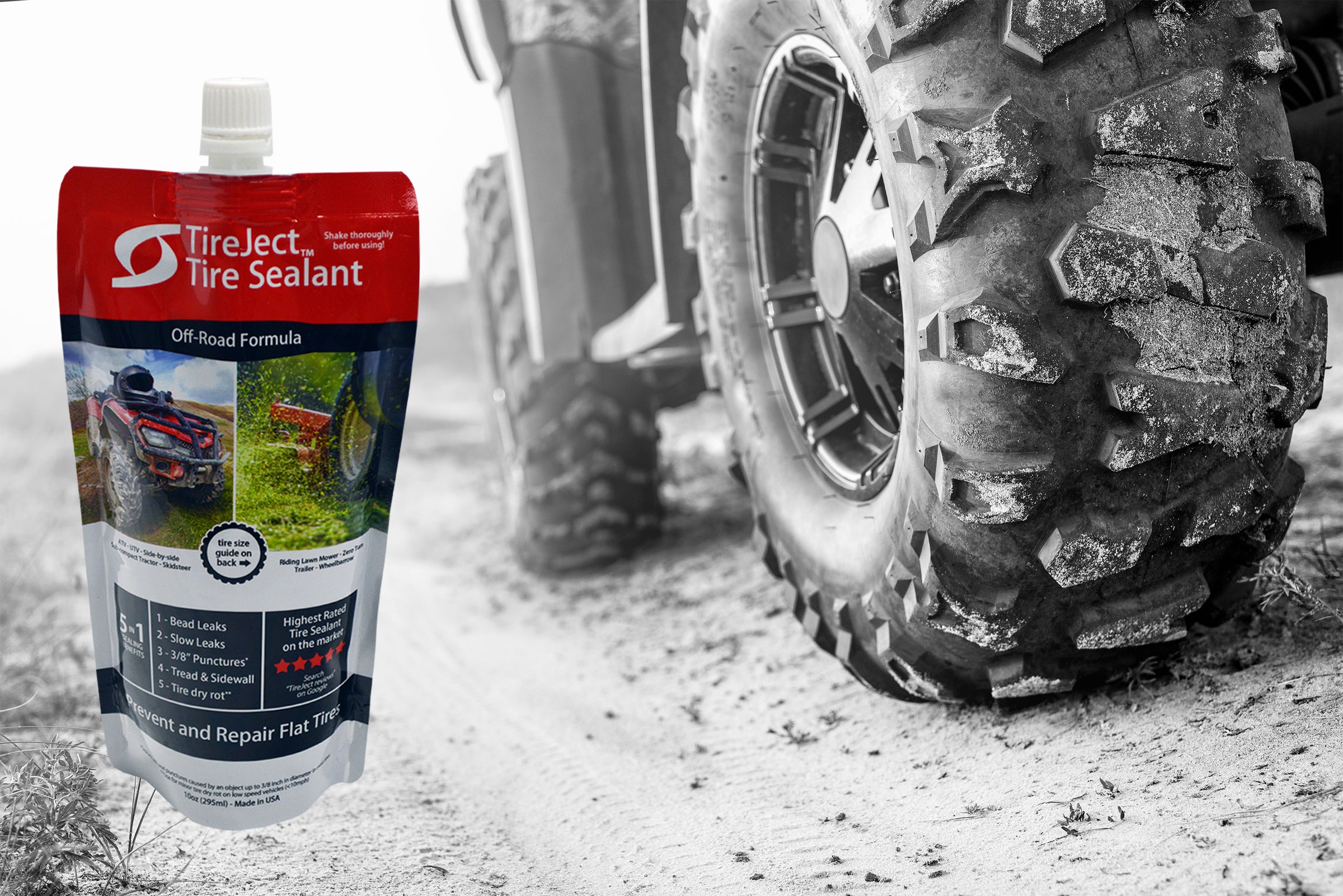
Liquid sealants are very popular. They are easy to use. Pour them into the tire. They flow and seal holes quickly. These sealants work well on small punctures. They can last for a long time. But they might not fix large holes. Liquid sealants are perfect for bikes and cars. They are a good choice for emergencies.
Aerosol sealants come in a spray can. They are fast and easy to apply. Just spray it into the tire. They create foam and seal the hole. These sealants are great for temporary fixes. They are small and fit in your car. But they might not last long. Aerosol sealants work best for small punctures. Keep one in your car for quick help.
Application Process
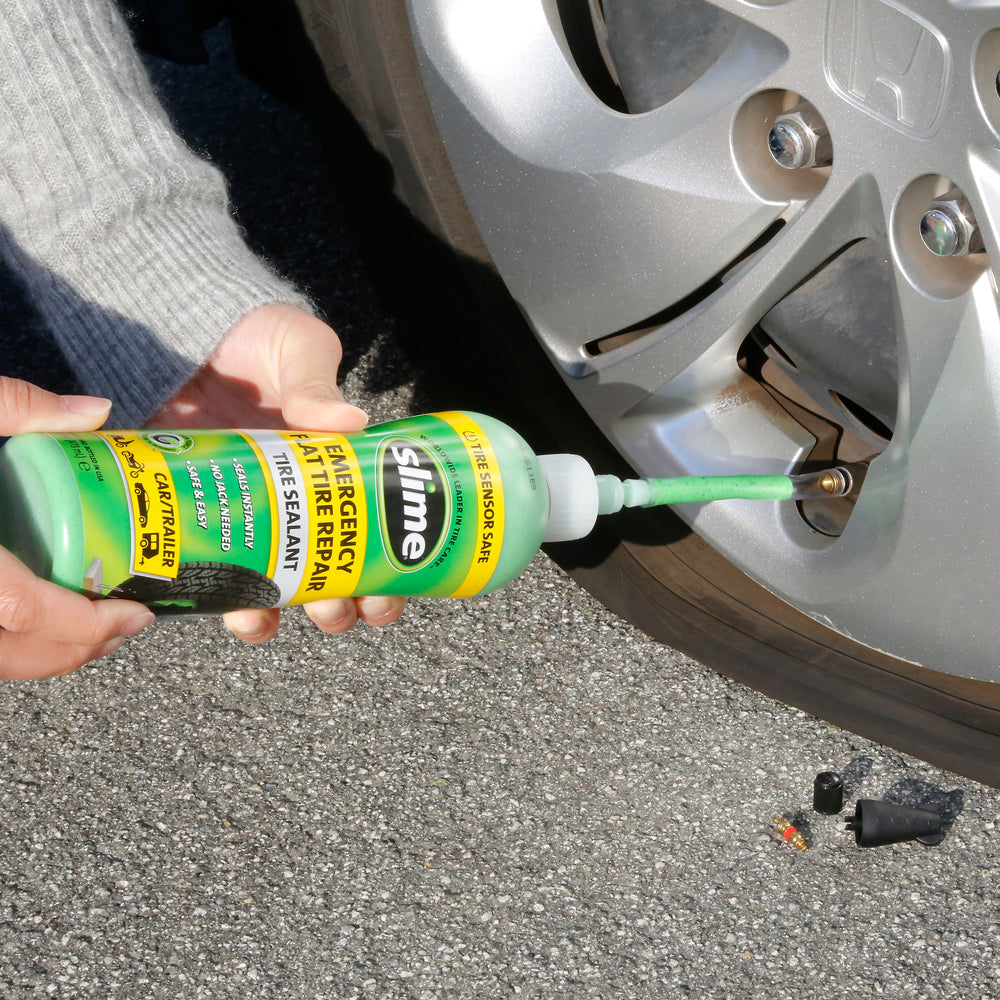
Applying tire sealant is straightforward. First, remove the tire valve cap. Then, attach the sealant nozzle and squeeze the bottle to inject the sealant. Finally, replace the valve cap and drive to evenly distribute the sealant.
Preparation Steps
First, find a clean space to work. Next, make sure the car is parked safely. Then, check the tire for any visible damage. After that, remove any debris from the tire. Clean the tire with a cloth. Dry the tire completely. Gather all necessary tools. Prepare the sealant for use.
Proper Sealant Application
Before anything else, shake the bottle thoroughly. Afterward, connect the nozzle to the valve. Squeeze the bottle gently. Release the sealant into the tire. Ensure the sealant spreads evenly. Check for any leaks. Reattach the valve cap securely. Drive the car for a few minutes. This helps the sealant spread evenly. Monitor the tire pressure regularly. Ensure the tire holds air properly.
Comparing Sealants With Alternatives
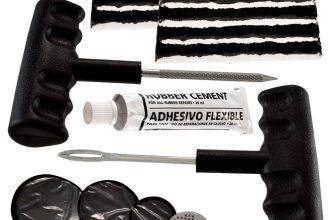
Tire sealants are liquids placed inside tires that fix small holes quickly. In contrast, tire plugs are solid and are pushed directly into the tire hole. Although both methods can effectively repair a flat tire, they work differently. Sealants have the advantage of fixing multiple holes at once, whereas plugs address one hole at a time. Additionally, sealants are easy to use and require no tools, while plugs need a special tool for installation. Sealants are ideal for small holes, whereas plugs work better on larger punctures. Overall, each has its specific use.
On the other hand, run-flat tires can be driven even with no air because of their reinforced sides. Since sealants are liquids that fill and repair holes, run-flat tires typically don’t need them. Although run-flat tires can be more costly, sealants are a cheaper option that work well with regular tires. Run-flats offer peace of mind by allowing continued driving after a puncture, but they tend to be heavier. Conversely, sealants are lightweight but require regular checking. In summary, both options have their pros and cons.

Frequently Asked Questions
Do Tire Sealants Work?
Tire sealants can effectively repair small punctures in tubeless tires. They extend tire life and prevent air leaks. Sealants are ideal for minor damage but not for large holes or sidewall tears. Regular maintenance is still essential for optimal tire performance and safety.
How Long Does Tire Sealant Last in a Tire?
Tire sealant typically lasts 6 months to 2 years inside a tire. Factors like usage, climate, and sealant type can affect its lifespan. Regularly check your tires to ensure they remain properly sealed.
Will Tire Sealant Fix a Slow Leak?
Tire sealant can temporarily fix slow leaks by sealing small punctures. It’s effective for minor damages, not major ones. Regular checks are essential to ensure safety. Always consult a professional for persistent issues to avoid further complications.
Conclusion
Tire sealant offers a quick fix for unexpected punctures. Moreover, it’s simple to use and can save time. This makes it ideal for those on the go. In many cases, there’s no need for a spare tire or mechanic. Simply apply and continue your journey. Additionally, most sealants work with various tire types.
They are a handy addition to any vehicle’s toolkit. Remember to check compatibility with your tires. Keep some in your car for peace of mind. Safe travels are just a sealant away. Enjoy smoother rides with fewer interruptions. A practical solution for everyday drivers.