Wheel Weights – Easy Tire Balancing for Smooth Rides
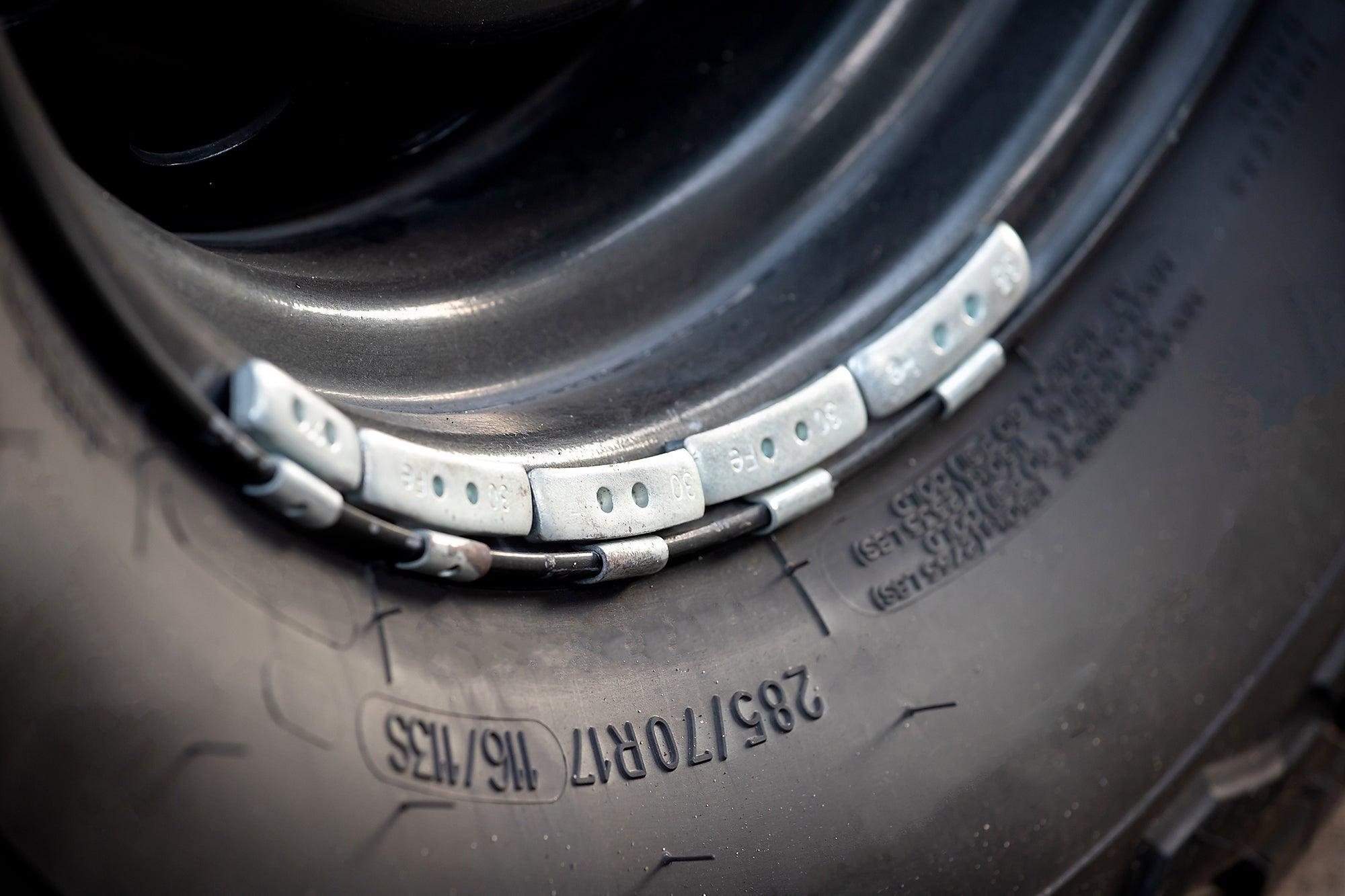
Wheel weights are small but crucial components in vehicle balance. They ensure smooth rides and prolong tire life.
Understanding Wheel balancing weights can transform your driving experience. These tiny pieces of metal or composite materials help balance your car’s tires. Without proper balance, tires wear unevenly, and vibrations increase. Tire balancing weights help by counteracting the imbalance caused by heavy spots in the wheel.
This keeps your vehicle stable at high speeds. Properly balanced wheels improve fuel efficiency and extend tire life. Discovering how tire weights work offers insight into maintaining vehicle health. It’s not just about smooth rides but also safety and savings. With balanced wheels, you enjoy better handling and fewer trips to the mechanic. Let’s explore how these small tools make a big difference.
Importance Of Wheel Weights
Wheel trim weights are crucial for vehicle performance. They ensure smooth driving and maintain tire health. Properly balanced wheels enhance safety and comfort. Without them, you might experience vibrations and uneven tire wear.
Wheel Weights’ Role In Vehicle Balance
Wheel weights help maintain vehicle balance. They distribute weight evenly across the wheel. This balance reduces vibrations while driving. A balanced wheel improves steering accuracy. It also provides a smoother ride experience. Proper balance prevents strain on suspension systems.
Impact On Tire Wear
Uneven wheels lead to rapid tire wear. Balanced weights for wheels prevent this by ensuring even rotation. Balanced wheels extend tire life. They reduce the risk of tread damage. This saves money on tire replacements. Proper tire wear improves fuel efficiency. It also enhances vehicle safety.


Types Of Wheel Weights
Wheel balancing clips play a vital role in vehicle balancing. Specifically, they ensure smooth rides by maintaining tire balance. Moreover, different types of balance weights for wheels exist to meet various needs. Choosing the right type, therefore, can enhance vehicle performance. In the following section, we explore the main types of wheel weights.
Clip-on Weights
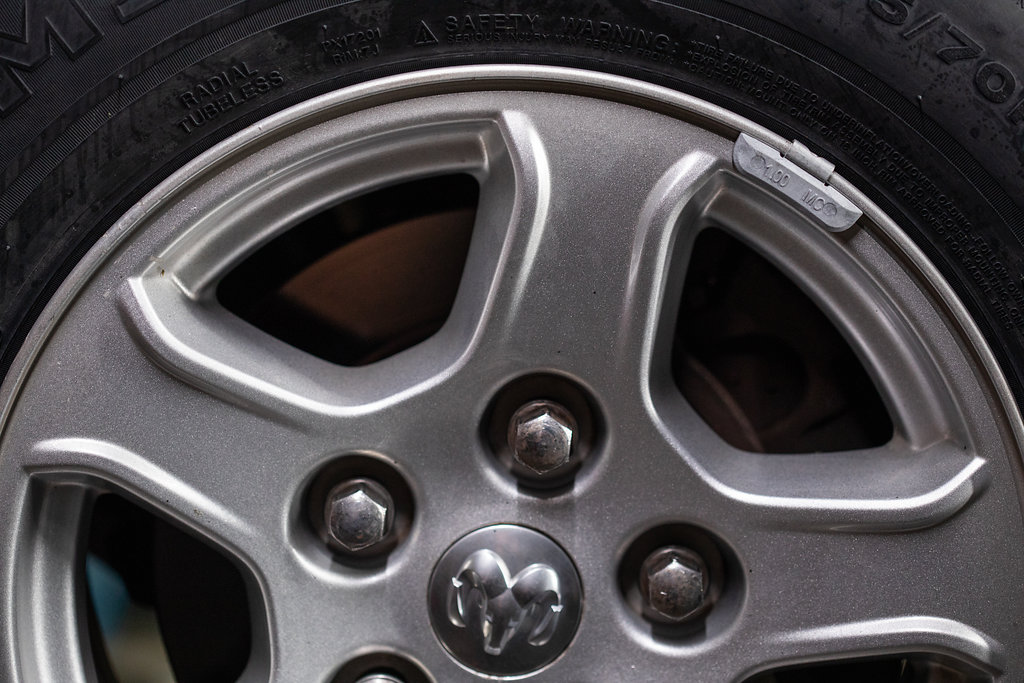
Clip-on weights are common in vehicle balancing. They work by attaching directly to the wheel rim. In particular, metal clips hold them securely in place. This design feature makes them easy to install and remove. Additionally, clip-on weights suit vehicles with alloy or steel rims. As a result, they provide a reliable balance solution for many drivers.
Adhesive Weights
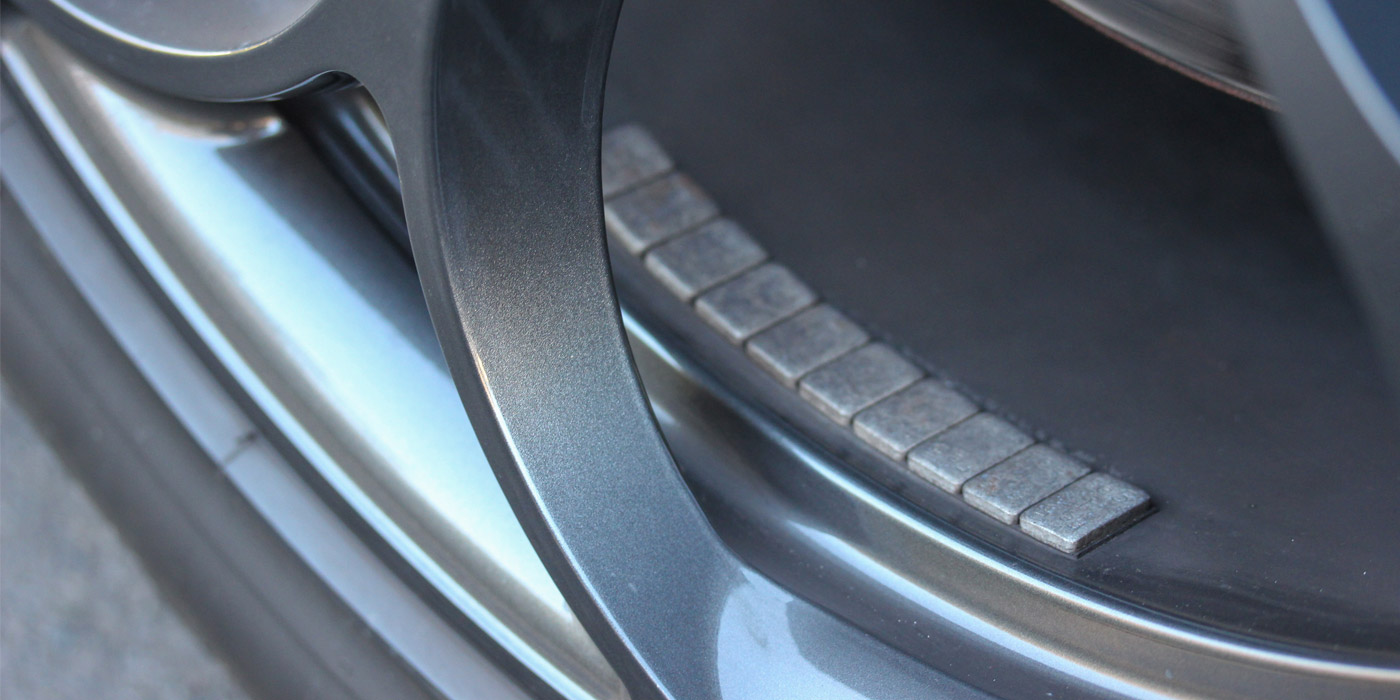
Adhesive weights offer an alternative to clip-on types. Instead of clipping on, they stick directly to the wheel’s inner surface. The adhesive backing ensures they remain in place. As such, this type works well for high-performance vehicles. Moreover, they are ideal for cars with alloy rims. In addition, adhesive weights provide a sleek look without visible clips.
Installation Techniques
Car wheel weights are crucial for balancing your vehicle’s tires. To begin with, proper installation ensures smooth driving and extended tire life. When it comes to installation, you can either install wheel weights yourself or seek professional help. In the following section, let’s explore both options.
Professional Balancing Services
Professional services offer precise wheel weight installation. In particular, experts use advanced machines to balance tires efficiently. As a result, this method guarantees accurate weight placement. Furthermore, technicians adjust weights based on your vehicle’s specific needs. This ensures optimum performance and reduced vibration. Ultimately, professional services provide peace of mind with reliable results.
Diy Installation Tips
DIY installation is a cost-effective option. First, you need basic tools like a mallet. Clean the wheel surface before attaching weights. This ensures better adhesion. Use a weight chart to decide the required weight. Attach weights at the recommended spots. Check for any imbalance after installation. Test drive your vehicle to ensure smooth operation. DIY requires patience but offers flexibility.
Maintenance And Safety
Maintaining Wheel balancing clips ensures a smooth and safe ride. Regular checks prevent imbalance and extend tire life. Safety on the road depends on proper maintenance. Ignoring it can lead to accidents or costly repairs.
Regular Inspections
Check your wheel weights often. Inspect them during routine car checkups. Look for any signs of wear or damage. Ensure weights are securely attached. Loose weights can fall off while driving.
Use a flashlight for better visibility. Inspect in good lighting conditions. This helps spot small cracks or bends. Regular inspections save money in the long run.
Signs Of Imbalance
Feel vibration in the steering wheel? This might indicate an imbalance. Listen for unusual noises from tires. Uneven tire wear is another sign. Check for it during tire rotations.
Imbalance affects fuel efficiency. It also causes strain on suspension parts. Address these signs quickly. It ensures a safer driving experience.
Frequently Asked Questions
Why Are Wheel Weights Illegal?
Wheel weights containing lead are illegal due to environmental and health concerns. Lead can contaminate soil and water. Many regions mandate the use of alternative materials, such as steel or zinc, to reduce pollution. This legislation aims to protect ecosystems and human health from toxic lead exposure.
What Is The Purpose Of Wheel Weights?
Tire weights balance tires, ensuring a smooth ride. They prevent vibration and uneven wear, improving vehicle performance. Proper tire balance enhances safety and extends tire life. Wheel weights are crucial for maintaining optimal driving conditions and efficiency. Balancing tires reduces stress on suspension and steering components.
What Happens If You Drive Without Wheel Weights?
Driving without car wheel weights can lead to uneven tire wear and decreased fuel efficiency. Wheels may wobble, causing vibrations. This affects vehicle handling and safety. Balanced wheels ensure a smoother ride and longer tire lifespan. Always ensure your wheels are properly balanced for optimal performance and safety.
Conclusion
Wheel weights play a crucial role in vehicle performance. They ensure balance, enhancing both safety and fuel efficiency. Choosing the right weight depends on your vehicle type. Regular checks can prevent uneven tire wear. This simple practice can save money and extend tire life.
Consider consulting a professional for advice on your specific needs. Properly maintained wheel weights lead to a smoother ride. Remember, attention to this small detail can make a big difference. Keep your wheels balanced, and enjoy a safer, more comfortable drive.