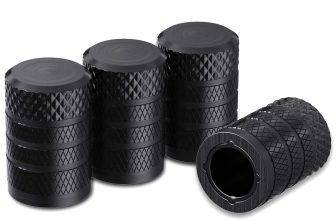
Tire Valve Stem: Essential Tips for Maintenance
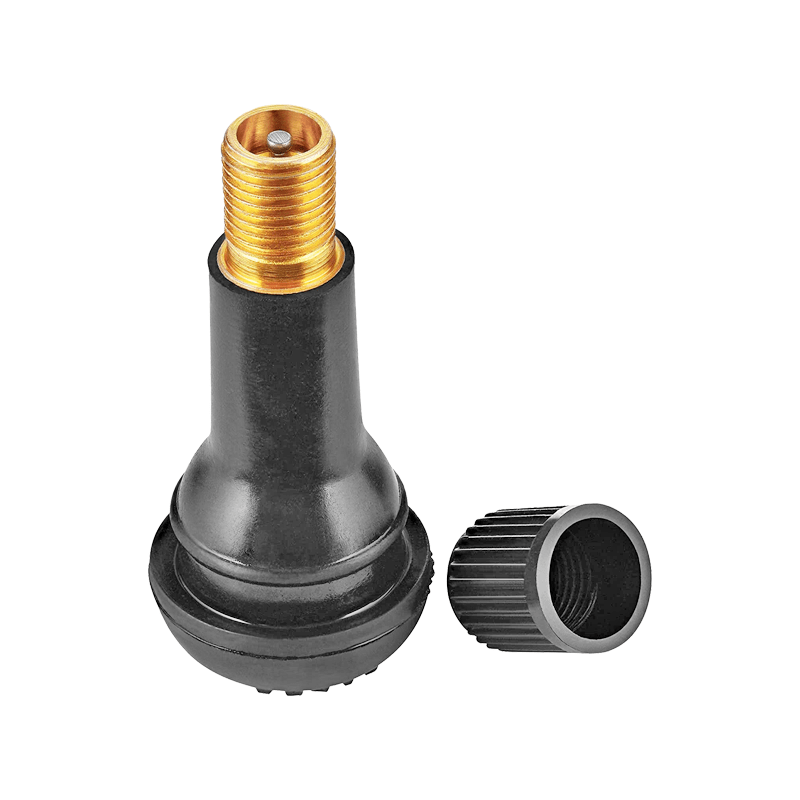
Tire valve stem are small but essential for vehicle safety. They maintain air pressure in tires and prevent leaks.
Understanding their role can help improve your vehicle’s performance and safety. Tire valve stems might seem insignificant, but they play a crucial part in keeping your tires properly inflated. Without them, maintaining the right air pressure would be impossible, leading to potential hazards on the road.
These stems are not just simple rubber pieces; in fact, they are designed to withstand extreme conditions and constant pressure changes. Therefore, knowing how they work and how to check their condition can save you from unexpected tire issues. Consequently, it’s important to learn about tire valve stems to ensure your vehicle runs smoothly and safely.
Importance Of Tire Valve Stems
Tire valve stems are vital for maintaining proper tire pressure. They keep air sealed within the tire, ensuring safe driving. Regular checks can prevent leaks and prolong tire life.
Tire valve stems might seem like a minor component of your vehicle, but they play a crucial role in maintaining tire health. Often overlooked, these small parts ensure that your tires maintain the right pressure, directly influencing your car’s performance and safety. Ignoring their importance could lead to unexpected issues on the road.
Role In Tire Performance
The valve stem is responsible for keeping air in your tires. If it is damaged, even slightly, air can escape, leading to underinflation. Under-inflated tires can cause poor fuel efficiency and uneven tire wear. Have you ever noticed your car pulling to one side? This could be a sign of uneven tire pressure. Regularly checking your valve stems ensures your tires are performing at their best.
Impact On Safety
Safety is paramount, and valve stems play a direct role in this. A faulty valve stem can lead to a sudden loss of tire pressure, increasing the risk of a blowout. Imagine driving on a busy highway and suddenly losing control because of a tire failure. This is a scenario no driver wants to face. Ensuring your valve stems are in good condition can prevent such dangerous situations. Have you checked your tire valve stems recently? Regular maintenance and inspections can keep you safe and give you peace of mind on the road. Remember, a small oversight today could lead to a big problem tomorrow.

Identifying Valve Stem Issues
Valve stems play a crucial role in tire maintenance. Specifically, they ensure proper air pressure in tires. However, problems with valve stems can lead to unsafe driving conditions. Therefore, recognizing valve stem issues early helps avoid bigger problems. In addition, regular checks can prevent unexpected tire failures.
Common Signs Of Wear
Valve stems wear out over time. Cracks in the rubber are a common sign. A bent valve stem can also indicate damage. If the cap is missing, dirt can enter. This can lead to further damage. Always inspect valve stems during tire checks.
Detecting Leaks
Leaks are a major concern for valve stems. Listen for a hissing sound near the valve. It often means a leak. Spraying soapy water on the valve can help. Bubbles mean air is escaping. Regular tire pressure checks are essential. They help in identifying leaks early.
Maintenance Practices For Valve Stems
Regular checks on tire valve stems ensure safety and efficiency. Clean and inspect for damage to prevent leaks. Replace worn-out stems promptly to maintain optimal tire pressure.
Maintaining your tire valve stems is a crucial yet often overlooked part of vehicle upkeep. These small components ensure your tires maintain the right pressure, enhancing safety and fuel efficiency. Regular care can prevent leaks and other issues that might leave you stranded. Let’s dive into some practical maintenance practices that will keep your valve stems in tip-top shape.
Cleaning Techniques
Clean valve stems can prevent debris from hindering their function. Use a damp cloth to wipe away dirt and dust. A toothbrush can help scrub stubborn grime from around the base. Consider using a mild soap solution for deeper cleaning. Rinse thoroughly to avoid leaving any residue that might affect the seal. Regular cleaning not only ensures optimal performance but also extends the lifespan of your valve stems.
Regular Inspection
Inspect your valve stems every time you check your tire pressure. Look for cracks or signs of wear that could lead to leaks. Test the valve by pressing it gently. If air escapes, it might be time for a replacement. Regular inspections can save you from unexpected flat tires. Wouldn’t you prefer a seamless drive over roadside emergencies? By maintaining your valve stems, you’re investing in your vehicle’s reliability and your peace of mind. Remember, these tiny parts play a significant role in your driving experience. Keep them clean and inspect them often to enjoy hassle-free journeys.
Choosing Quality of Tire Valve Stem
Tire valve stems might seem like small components, but they play a vital role in maintaining tire pressure. Quality valve stems ensure safety and efficiency on the road. Choosing the right ones requires careful consideration of materials and compatibility with different tire types.
Material Considerations
Valve stems come in various materials. Rubber and metal are common choices. Rubber valve stems are flexible and affordable. They suit standard vehicles well. Metal valve stems offer durability. They are ideal for heavy-duty vehicles and trucks. Choose the material based on your vehicle’s needs.
Compatibility With Tire Types
Not all valve stems fit every tire type. Check compatibility before purchasing. Passenger cars typically use a standard valve stem size. Larger vehicles may need specialized stems. Ensure the valve stem matches the tire’s specifications. This prevents leaks and ensures proper air retention.
Frequently Asked Questions
How Much Does It Cost To Replace A Valve Stem On A Tire?
Replacing a valve stem on a tire typically costs between $10 and $30. The price varies by location and service provider. It’s a quick and affordable repair, often completed in under an hour at most auto repair shops or tire centers.
Always check for additional fees or services.
Is Replacing A Tire Valve Stem Easy?
Replacing a valve stem is moderately easy for those with basic mechanical skills. You’ll need specific tools and a new valve stem. Carefully follow instructions to ensure proper installation. If unsure, consider seeking professional assistance to avoid potential issues.
How Do You Know If You Have a Bad Tire Valve Stem?
A bad tire valve stem causes air leaks, which result in frequent tire pressure loss. First, check for visible damage, cracks, or corrosion. Next, listen for hissing sounds near the valve. Additionally, use soapy water to detect bubbles, indicating leaks. Finally, ensure tires maintain pressure consistently after inflation.
Conclusion
Tire valve stems are small but vital for car safety. Regular checks ensure they work well. They prevent air loss and keep tires in top condition. Proper care of valve stems boosts tire lifespan. It’s important for smooth and safe rides.
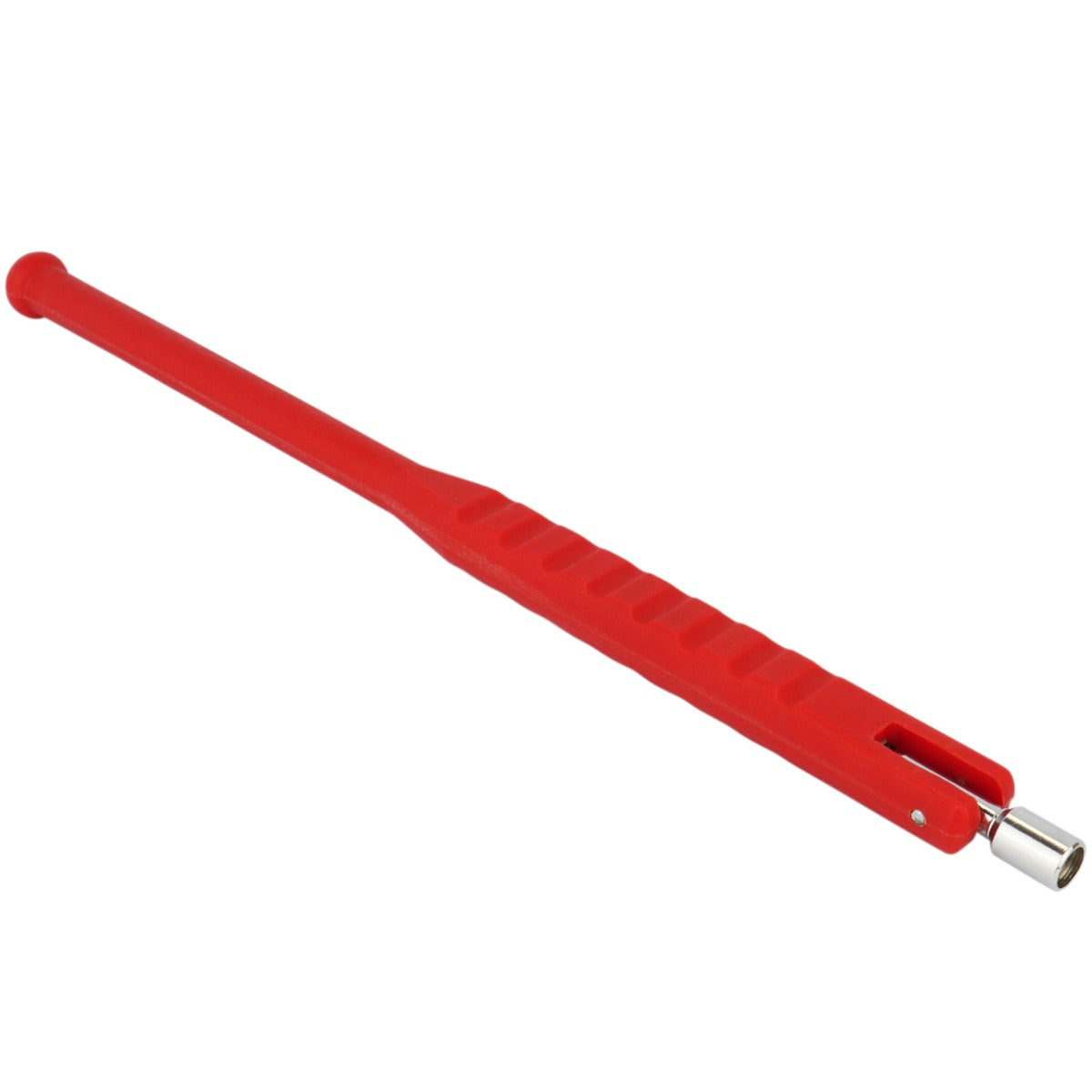
Always keep an eye on them during tire maintenance. A simple step, yet it saves time and hassle. Use a valve stem tool for easy inspection. It makes checking quicker and more efficient. Remember, healthy valve stems mean safer drives every day.
Regular maintenance leads to peace of mind on the road. Stay safe. Drive smart.