Best Dog Food for Balanced Daily Nutrition
Choosing the best dog food for your furry friend can feel overwhelming. You want to give your dog the nutrition they deserve, but with so many options, how do you know what’s truly right?
This guide will help you cut through the noise and find the perfect food that keeps your dog happy, healthy, and full of energy. Keep reading, because your dog’s well-being depends on the choices you make today.
Key Nutrients For Dogs
Dogs need balanced nutrients to stay healthy and active. Good dog food provides these key nutrients. Each one plays a special role in your dog’s well-being. Knowing about them helps you pick the best food for your pet.
Proteins And Fats
Proteins build strong muscles and repair body tissues. They give dogs energy and keep their skin shiny. High-quality protein sources include chicken, beef, and fish.
Fats also provide energy. They help absorb vitamins and keep the coat soft. Healthy fats come from fish oils and animal fats. Both proteins and fats are essential for growth and daily activity.
Vitamins And Minerals
Vitamins support the immune system and help the body work well. For example, vitamin A helps with vision, while vitamin D supports bones.
Minerals like calcium and phosphorus strengthen bones and teeth. Iron helps carry oxygen in the blood. These nutrients keep your dog strong and prevent illness.
Importance Of Fiber
Fiber aids digestion and keeps the stomach healthy. It helps control weight by making dogs feel full. Sources of fiber include vegetables and grains.
A diet with enough fiber reduces constipation and supports regular bowel movements. It is a vital part of a dog’s diet for overall health.
Types of Dog Food
Choosing the right dog food can be confusing. Dogs need a balanced diet for good health. Different types of dog food offer various benefits. Understanding each type helps you pick the best option for your pet.
Dry Kibble
Dry kibble is the most common dog food. It is easy to store and lasts long. Kibble helps keep dogs’ teeth clean. It contains nutrients in balanced amounts. Many brands offer kibble with special formulas for different needs.
Wet Food
Wet food has higher moisture content than dry kibble. It is soft and easy to eat. Dogs often find wet food more tasty. This type can help dogs who drink less water. Wet food usually comes in cans or pouches.
Raw And Freeze-dried Options
Raw food mimics a dog’s natural diet. It includes raw meat, bones, and vegetables. Freeze-dried food is raw food with moisture removed. This type keeps nutrients intact and lasts longer. Both options need careful handling to stay safe.
Best Dog Food Brands
Choosing the right dog food is important for your pet’s health and happiness. The best dog food brands in 2025 offer a mix of quality ingredients and balanced nutrition. Each brand focuses on different needs, such as premium quality, budget options, or special diets for health issues.
Here is a look at top dog food brands that suit various needs and budgets.
Premium Choices
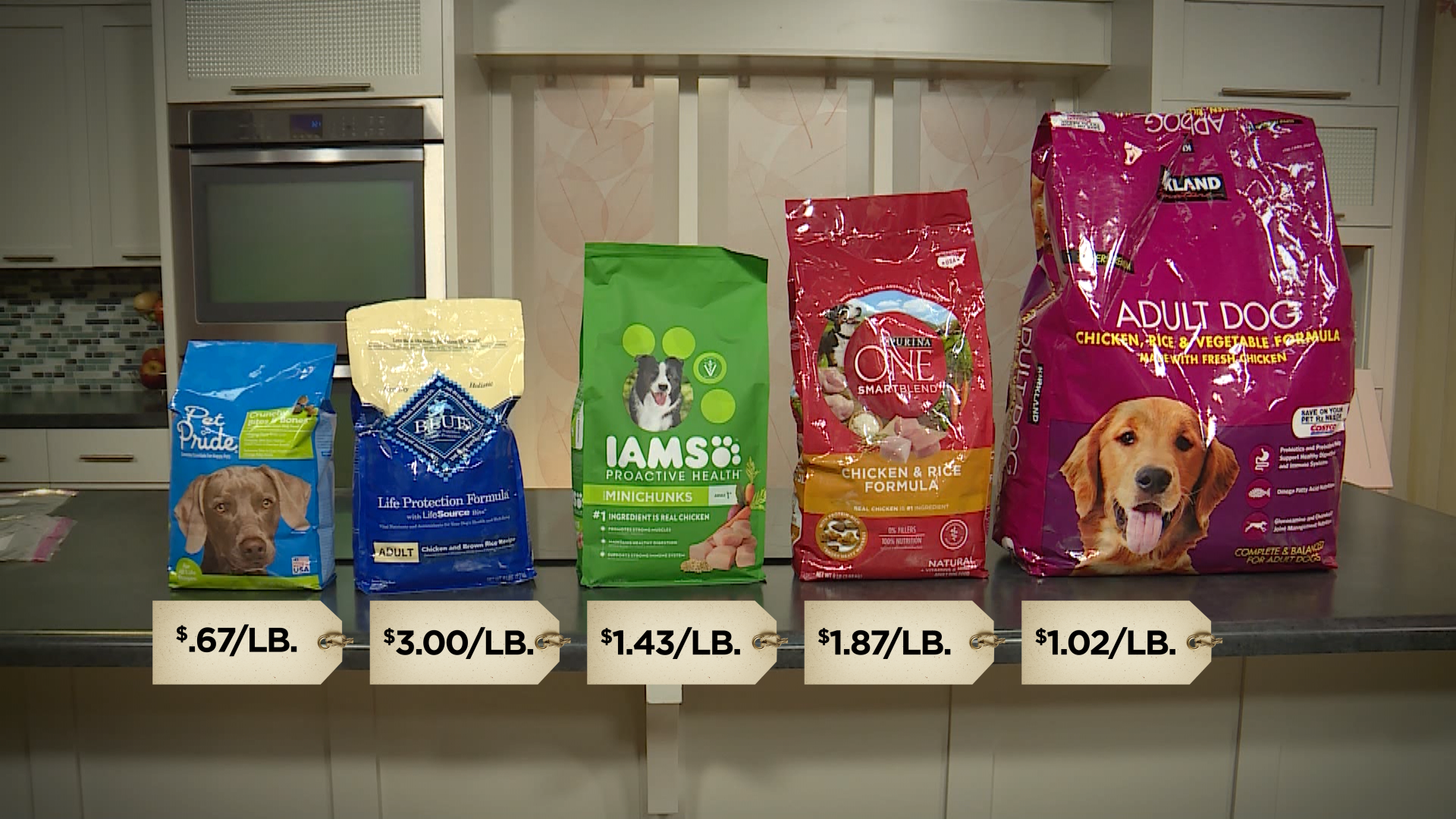
Premium dog food brands use high-quality ingredients. They often include real meat, vegetables, and grains with no fillers. These brands focus on nutrition that supports strong muscles, shiny coats, and good digestion. Many offer grain-free or organic options. They are perfect for dogs with sensitive stomachs or high energy levels. Prices are higher but reflect the quality.
Budget-friendly Options
Budget-friendly brands provide good nutrition at lower costs. They use a mix of meat, grains, and vitamins to keep dogs healthy. These foods may have more fillers but still meet basic nutritional needs. Ideal for pet owners who want to save money without sacrificing quality. Many stores carry trusted budget brands with positive reviews from dog owners.
Specialty Diets
Specialty diet brands focus on specific health needs. Options include foods for allergies, weight control, or kidney support. Some are designed for puppies, seniors, or large breeds. These brands use tailored ingredients to help with health problems. Choosing a specialty diet can improve your dog’s quality of life. Always consult a vet before switching to specialty food.
Choosing Food For Different Life Stages
Choosing the right food for your dog depends on their age. Dogs have different needs at each stage of life. Their bodies grow, change, and slow down over time. The food must support these changes to keep them healthy and active.
Different life stages require different nutrients and energy levels. Puppies need more nutrients for growth. Adult dogs need balanced nutrition to maintain health. Senior dogs benefit from food that supports aging joints and digestion.
Puppies
Puppies grow fast and need extra nutrition. Their food should have more protein and fat. These nutrients help build strong muscles and healthy organs. Puppy food also supports brain development and energy levels. Feeding the right food helps puppies develop well.
Adult Dogs
Adult dogs need balanced food to stay fit. Their energy needs are lower than puppies. The food should have moderate protein and fat. It helps maintain muscle and healthy weight. Adult dog food supports overall health and vitality.
Senior Dogs
Senior dogs need food that supports aging bodies. Lower calories help prevent weight gain. Higher fiber improves digestion and gut health. Senior food often has ingredients for joint support. It helps keep older dogs comfortable and active.
Dietary Needs For Common Health Issues
Dogs can have different health issues that affect their diet. Choosing the right food helps manage these problems. Understanding their dietary needs supports their well-being. Here are key health issues and diet tips for each.
Allergies And Sensitivities
Many dogs suffer from allergies or food sensitivities. Common triggers include grains, dairy, and certain proteins. Hypoallergenic dog food contains limited ingredients to reduce reactions. Foods rich in omega-3 fatty acids help reduce inflammation. Avoid artificial additives and fillers that can worsen symptoms.
Weight Management
Maintaining a healthy weight is vital for dogs. Overweight dogs need low-calorie foods with high fiber. Fiber helps dogs feel full without extra calories. Protein supports muscle strength during weight loss. Avoid foods high in fat and sugar to prevent weight gain.
Digestive Health
Digestive problems require special attention to diet. Foods with probiotics improve gut bacteria balance. Easily digestible ingredients reduce stomach upset. Fiber from pumpkin or sweet potato aids digestion. Avoid foods with artificial preservatives or fillers that harm digestion.
:strip_icc()/Spruce-best-dog-food-for-allergies-4173781-024027f06d344cd8acf7267d38694fa3.jpg)
Tips For Transitioning Dog Food
Changing your dog’s food needs care and patience. Sudden changes can upset your dog’s stomach. Follow these tips to help your dog adjust smoothly. This will keep your dog healthy and happy during the switch.
Gradual Change Process
Start by mixing a small amount of new food with the old. Increase the new food amount slowly over 7 to 10 days. This helps your dog’s digestive system adjust. Avoid giving only new food at once. Take your time for a smooth transition.
Monitoring Your Dog’s Reaction
Watch your dog closely during the food change. Check for signs like vomiting, diarrhea, or loss of appetite. Also, look for changes in energy or mood. Minor changes are normal, but severe issues need attention. Keep a daily record of your dog’s behavior and stool.
When To Consult A Vet
Contact your vet if your dog shows serious symptoms. These include constant vomiting, severe diarrhea, or refusal to eat. Also seek help if your dog becomes very weak or lethargic. Your vet can recommend the best food and care plan. Never ignore strong negative reactions.
Frequently Asked Questions
What Ingredients Make The Best Dog Food?
High-quality protein, healthy fats, vitamins, and minerals create balanced dog food for good health.
How To Choose Dog Food For Different Dog Sizes?
Smaller dogs need smaller kibble and more calories; large dogs need joint support and balanced nutrients.
Can Homemade Dog Food Replace Commercial Dog Food?
Homemade food can work if balanced well with nutrients, but commercial food is often more complete.
How Often Should I Feed My Dog Daily?
Most dogs eat twice a day; puppies may need three to four small meals daily.
Is Grain-free Dog Food Better For Dogs?
Grain-free food suits dogs with allergies, but grains are safe and healthy for most dogs.
Conclusion
Choosing the best dog food helps keep your pet healthy and happy. Good nutrition supports energy, growth, and strong immunity. Always check ingredients to find natural and balanced options. Tailor food to your dog’s age, size, and needs. Regular meals with quality food make a big difference.
Trust your pet’s health to what you feed daily. A well-fed dog shows love and care every day. Simple choices lead to a joyful, healthy companion.