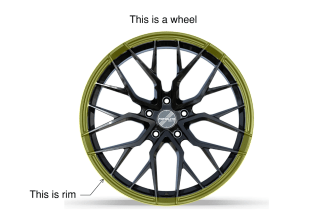
Trailer Rims: Strong, Stylish, and Road-Ready
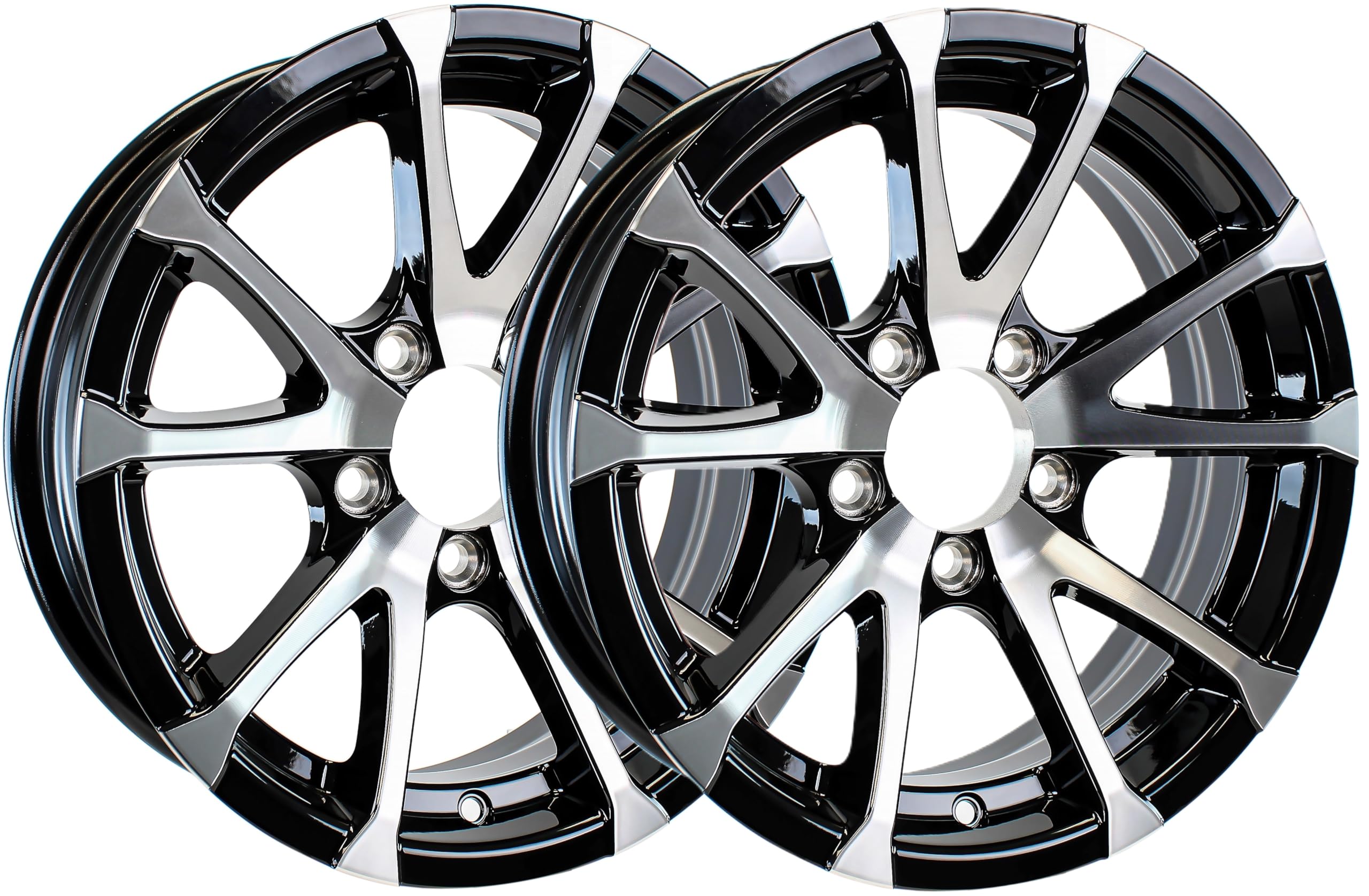
Trailer rims are vital for any trailer’s performance. They ensure safe and smooth rides.
Understanding trailer rims can save you time and trouble on the road. Trailer rims come in various sizes and styles. Each type suits different needs and preferences. Choosing the right rims can improve your trailer’s handling and longevity. Selecting trailer rims involves more than just picking a design.
You need to consider material, weight capacity, and size. The right rims can enhance your trailer’s safety and efficiency. They also add style and value. Investing time in learning about trailer rims can make your journeys safer and more enjoyable. So, let’s explore what makes this essential and how to find the best fit for your needs.
Choosing The Right Trailer Rims
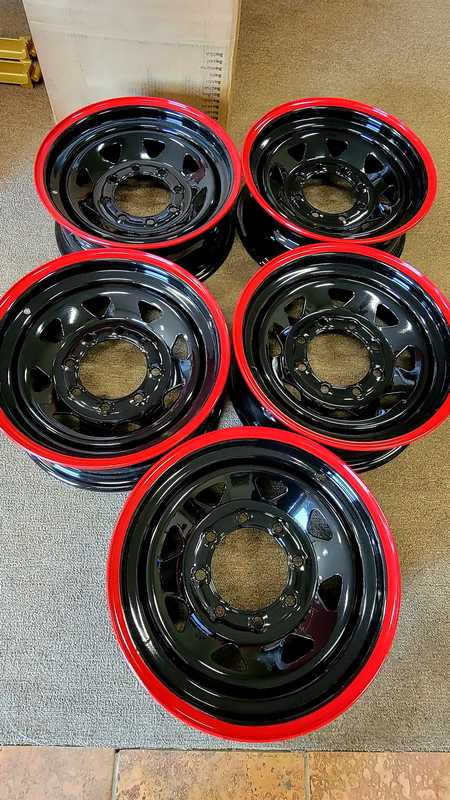
Choosing the right trailer rims can make all the difference in your hauling experience. Whether you’re towing a boat or a camper, the right rims can enhance performance and ensure safety. But how do you pick the perfect ones? Consider the material, size, and fit to make a smart choice.
Material Options
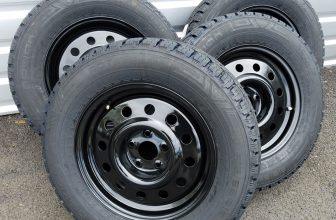
Trailer rims come in various materials, each with its own benefits. Steel rims are durable and affordable, perfect for heavy-duty use. They resist damage but can be prone to rust if not properly maintained.
Aluminum rims offer a lighter alternative. They resist corrosion, giving them a longer lifespan. They’re ideal for those who want a sleek look, but they can be more expensive.
Consider your budget and the conditions you typically tow in. If you often navigate through salty or wet environments, aluminum might be your best bet.
Size And Fit
The size and fit of your trailer rims are crucial for safety and performance. An incorrect size can lead to tire wear or even accidents. Always check your trailer’s manual for recommended sizes.
Measure the diameter and width of your current rims. Compare this with new options to ensure compatibility. It’s tempting to go for larger rims for aesthetics, but ensure they don’t compromise functionality.
Think about the terrain you usually drive on. Larger rims might be better for rough roads, while standard sizes suit city driving. Are you prioritizing looks over performance? Make sure your choice doesn’t sacrifice safety.
Choosing the right trailer rims isn’t just about aesthetics; it’s about enhancing your towing experience. With the right material and fit, you’ll be ready for any road you travel. What will you choose to boost your trailer’s performance?
Benefits Of Upgrading Trailer Rims
Upgrading trailer rims enhances safety and improves load capacity. Better rims ensure smoother rides and increase durability on rough terrains. Enhanced aesthetics also add value to your trailer.
Upgrading your trailer rims might seem like a minor change, but it can bring a host of benefits that enhance your towing experience. It’s not just about aesthetics, though a fresh set of rims can certainly turn heads. The right upgrade can improve how your trailer handles, increase its durability, and ultimately make your journeys smoother and safer.
Improved Handling
A well-chosen set of rims can significantly enhance the handling of your trailer. Imagine driving on a winding road and feeling your trailer sway less, giving you more control. Upgraded rims can provide better weight distribution and improved grip on the road. This means safer turns and less wear on your tires. Opt for rims that match your specific trailer type for optimal performance. A friend of mine upgraded his boat trailer rims and noticed an immediate difference in how smoothly he could tow over rough terrain. It’s these small adjustments that make a big impact.
Increased Durability
When you upgrade your trailer rims, you’re investing in durability. Stronger materials mean your rims can better withstand the rigors of towing. Whether it’s long distances or hauling heavy loads, durable rims stand up to the challenge. Consider the materials—aluminum rims, for instance, offer a good balance of strength and lightweight properties. A family member once shared how their trailer rims had worn out after a few seasons of use. After upgrading, they enjoyed years of trouble-free towing. Wouldn’t it be reassuring to know that your trailer can handle unexpected bumps and keep going without issues? Upgrading your rims could be that peace of mind you’re looking for. In essence, investing in better rims is about ensuring longevity and reliability for your trailer journeys.
Installation Tips For Trailer Rims
Easily install trailer rims by ensuring a snug fit for safety. Check that the rim size matches your trailer’s specifications. Tighten lug nuts in a crisscross pattern to prevent wobbling.
Installing trailer rims can seem daunting, especially if you’re new to trailer maintenance. But with the right guidance and tools, you can tackle this task with confidence. Imagine the satisfaction of knowing your trailer is road-ready because of your own handiwork. Let’s dive into the essentials of installing, ensuring your ride is safe and smooth.
Tools Required
Before you start, gather the necessary tools. You’ll need a jack to lift the trailer, a lug wrench or socket set to remove and tighten the lug nuts, and a torque wrench to ensure the nuts are secured correctly. A wire brush can help clean any rust or debris from the wheel hub. Having these tools ready will streamline the process and prevent unnecessary delays. Keep your workspace organized to avoid any mix-ups.
Step-by-step Guide
-
Safety First: Park on a flat surface, engage the brake, and place wheel chocks behind the tires.
-
Loosen Lug Nuts: Slightly loosen lug nuts with a wrench before lifting the trailer.
-
Lift the Trailer: Position a jack under a solid frame point and raise the trailer until the wheel is off the ground.
-
Remove the Old Rim: Finish unscrewing the lug nuts and remove the old rim. Clean the hub with a wire brush.
-
Install the New Rim: Align the new rim and hand-tighten the lug nuts to avoid cross-threading.
-
Final Tightening: Lower the trailer until the tire touches the ground. Use a torque wrench to tighten lug nuts in a crisscross pattern for even pressure.
-
Final Check: Lower the trailer completely once all nuts are tightened. Double-check the lug nuts’ tightness with the torque wrench for added safety. With these steps, installing trailer rims becomes a manageable task. Have you ever thought about how much you can save by doing it yourself? Not only is it cost-effective, but it also gives you a sense of accomplishment. Plus, knowing how to perform basic maintenance can be invaluable during unexpected roadside situations. What are your thoughts on tackling trailer maintenance tasks yourself?


Maintaining Your Trailer Rims
Maintaining your trailer rims is essential for smooth travel and safety. Regular upkeep can extend their lifespan and enhance your trailer’s performance. Consistent care prevents rust, ensures proper balance, and keeps your rims looking new.
Cleaning Techniques
Clean your trailer rims often to prevent dirt buildup. Use mild soap and water for gentle cleaning. A soft brush helps remove stubborn grime. Avoid abrasive cleaners that could scratch the surface. Rinse thoroughly to remove all soap residue. Dry with a clean cloth to prevent water spots.
Regular Inspections
Inspect your trailer rims regularly for signs of damage. Look for cracks or bends that could affect performance. Check for rust or corrosion, especially in humid conditions. Ensure lug nuts are tight for safe travel. Rotate rims to balance wear evenly. Address any issues immediately to avoid further damage.
Frequently Asked Questions
Are All 5-Lug Trailer Rims the Same Bolt Pattern?
Not all 5-lug trailer rims have the same bolt pattern. Check the specific pattern before purchasing. Measure bolt circle diameter and spacing to ensure compatibility. Consult your trailer’s manual or a professional for exact specifications. Proper fitment is crucial for safe towing and optimal performance.
What Are Common Trailer Lug Patterns?
Common trailer lug patterns include 4-lug, 5-lug, 6-lug, and 8-lug configurations. Popular options are 5×4.5, 5×5, and 6×5.5. These patterns vary based on trailer size and weight capacity. Always verify the pattern when selecting wheels for trailers.
Can I Put Trailer Tires on Car Rims?
Trailer tires don’t fit the car rims properly. They are designed for different load and speed requirements. Always use car-specific tires for safety and performance.
Conclusion
Choosing the right trailer rims boosts safety and performance. They endure rough roads and keep trailers steady. Quality rims reduce wear, saving money on repairs. Proper care extends rim life. Regular checks prevent accidents, ensuring smooth journeys. Invest wisely in durable rims for peace of mind.
A small change makes a big impact on travel ease. Consider style and function when selecting rims. Your trailer deserves the best. Well-chosen rims mean worry-free adventures. Enjoy every mile with confidence. Happy trails!