Wheels or Rims: Find the Perfect Fit for Your Car

To clear up the confusion, it’s important to understand the difference between wheels and rims. Wheels are the circular components that attach to the vehicle’s axle, while rims refer specifically to the outer edges of those wheels. They hold the tire in place. Understanding the difference is crucial for car maintenance. This knowledge helps in making better purchase decisions, ensuring safety and style.
Many people use these terms interchangeably, but they have distinct roles. The wheel consists of several parts, including the rim, spokes, and hub. In contrast, the rim is just one component of the entire wheel. Understanding this distinction is essential when considering upgrades or replacements, as it impacts both your vehicle’s performance and appearance. In this article, we’ll explore the functions and significance of each part. So, get ready to dive into the world of wheels and rims—your car will thank you for it.
Wheels Vs Rims: Key Differences
Wheels and rims are manufactured using various materials, with steel and aluminum being the most common. On one hand, steel is known for its strength and durability, but it is also heavier. On the other hand, aluminum is lightweight and resistant to rust. These material differences significantly affect a vehicle’s overall performance.
Wheels hold the tires and support the car. Rims are the outer edges of wheels. They give a car its style. Design impacts the look and feel of the vehicle. Some designs are simple. Others are fancy. People choose based on taste and needs.
Performance Considerations
Choosing the right wheels or rims impacts vehicle performance significantly. They influence handling, fuel efficiency, and ride comfort. Different materials and sizes offer varied benefits, making it essential to select wisely for an optimal driving experience.
Impact On Speed And Handling
Wheels can enhance a car’s speed, especially when they are lighter, as reduced weight contributes to better acceleration. Meanwhile, rims play a crucial role in how a car handles turns—high-quality rims can significantly improve handling. Therefore, choosing the right size is essential. Wheels that are too big or too small can negatively impact performance, while the correct size helps maintain balance. As a result, drivers feel safer and more in control. To ensure the best fit, always refer to the vehicle’s guide before making a selection.
Durability And Maintenance of Wheels Or Rims
Rims must be strong. They face rough roads daily. A strong rim lasts long. It needs less fixing. Wheels need care, too. Keeping them clean is important. Check them often for cracks. Fixing small issues early saves money. Using good cleaners helps. Avoid harsh chemicals. They can damage the surface. Regular checks help keep wheels safe.
Aesthetic Appeal
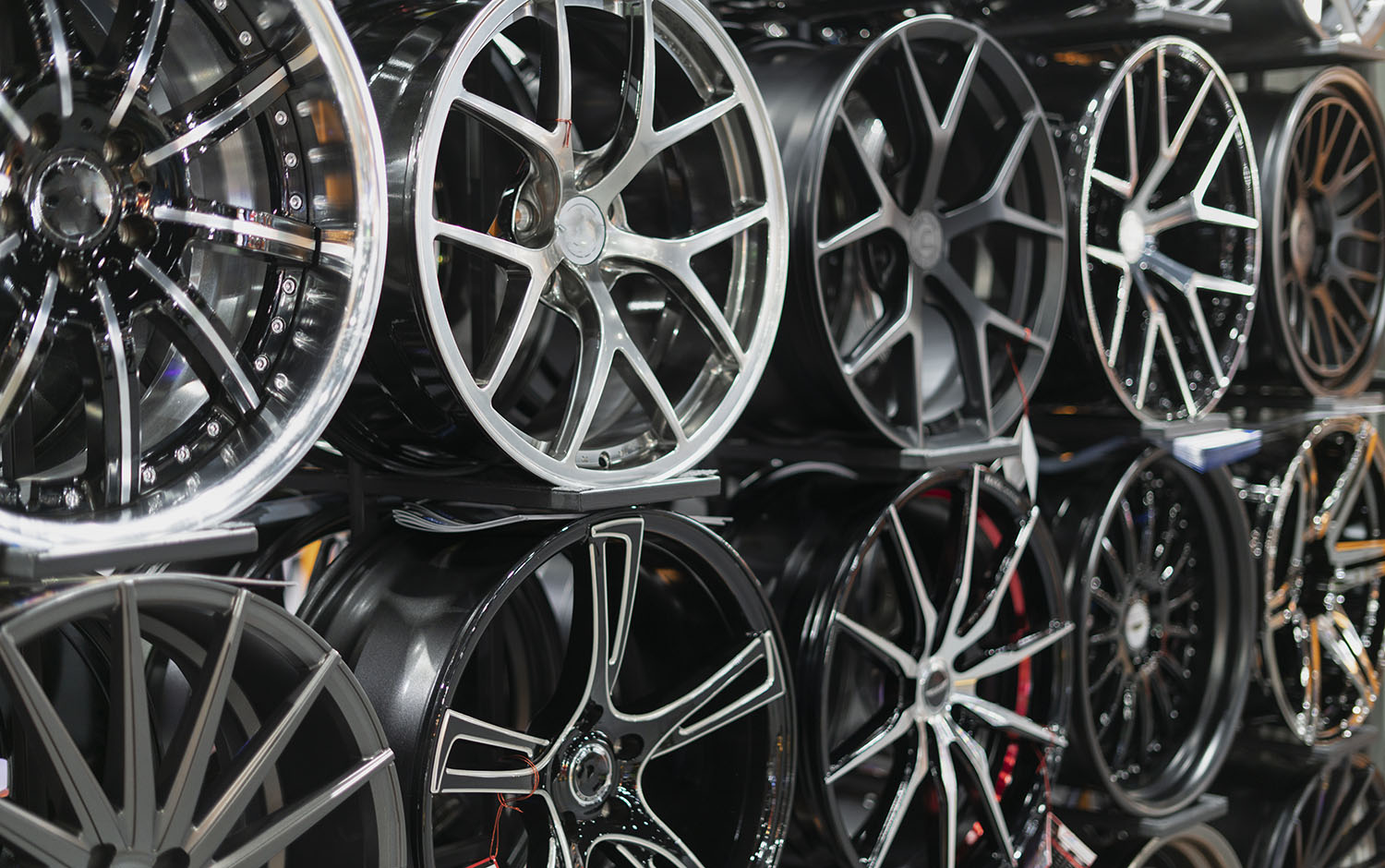
Customization options make wheels and rims truly unique, as they can completely change a car’s appearance. With many colors and styles available, some people prefer shiny rims, while others opt for a matte finish. Additionally, designs range from simple to elaborate, and some rims even feature cool patterns. This variety allows each car to stand out and feel special. Ultimately, choosing favorite styles is a way for people to express their taste and personality.
Styles change over time. New trends are always coming. Bold colors are in fashion. Chrome rims are popular too. Classic looks stay in style. Many people like retro designs. Modern styles are sleek and clean. Every year brings new ideas. Some trends last longer. Others fade quickly. Keeping up with trends is fun.


Cost Implications of Wheels Or Rims
Wheels can be pricey. They are made from strong materials. Rims might be cheaper. They often use less metal. Prices vary by brand and size. Some wheels need special tires. This adds to the cost. High-end wheels can cost thousands. Cheaper rims might save money. It’s important to compare prices.
Good wheels last a long time. They resist wear and tear. Rims can bend or crack. This may need fixing. Strong wheels hold up better. They save money over time. Rims might need replacing sooner. Investing in quality wheels can be smart. Better wheels can improve car safety. Long-lasting wheels are worth the cost.

Frequently Asked Questions
Is It Called Rims or Wheels?
The term “wheels” refers to the entire circular component, including rims and tires. “Rims” specifically describe the outer edge of the wheel. Both terms are often used interchangeably, but they have distinct meanings in automotive terminology. Understanding the difference helps in selecting the right parts for your vehicle.
Is rim slang for wheel?
Yes, “rim” is often used as slang for “wheel.” It refers specifically to the outer edge of a wheel. Many people use “rim” to describe the entire wheel assembly, though technically it’s just a part of it.
What Is The Proper Term For Rims?
The proper term for rims is ‘wheels’ or ‘wheel rims.’ Specifically, these terms refer to the outer circular component that holds the tire. Therefore, to ensure clarity, it’s important to use the correct terminology in automotive discussions.
Conclusion
Choosing between wheels and rims depends on your needs. Wheels offer durability. Rims provide style. Both options enhance your vehicle. Consider your budget and preferences. Simple maintenance keeps both in top condition. Your driving experience improves with the right choice.
Ask for expert advice if unsure. Make sure to prioritize safety. Explore options within your budget. Enjoy the benefits of your decision. Drive confidently with well-chosen wheels or rims. Discover what suits your lifestyle best. Embrace the journey with style and reliability. Remember, the right choice makes a difference. Make the decision that fits your needs.