How to Use Air Compressors Effectively.

Air compressors are versatile machines used in various applications, including construction, automotive, and household tasks. They power tools, inflate tires, and handle industrial applications. Understanding proper operation ensures efficiency and safety.
I’ve been around enough tools to know one thing: the machine that makes everything else work harder and faster is the air compressor. Whether it’s inflating tires, running a nail gun, or powering a paint sprayer, this piece of equipment saves time and energy. The trick is knowing how to set it up, use it safely, and keep it running for years. If you’re here, you probably want more than just the basics. Don’t worry you’ll get practical, step-by-step guidance, plus some extra tips I’ve picked up over the years. And I promise: no confusing jargon and no boring fluff.
Here’s what you’ll walk away with today:
 How to gear up with the right safety measures
- A simple setup process (unboxing to powering up)
- How to connect hoses and tools without headaches
- Adjusting pressure the smart way
- The right way to shut down and store your unit
- Maintenance tips to extend its lifespan
- Common mistakes and how to avoid them
- Troubleshooting problems you’ll likely face
- Pro tips for specific uses (like tires and painting)
- FAQs to answer what’s still on your mind
Step 1: Safety First
Before I plug in any machine, I start with the gear: goggles to protect my eyes, ear protection for the noise, and sturdy shoes for my toes. Loose shirts or dangling cords are a no-go—machines and clothing don’t mix well.
If you think safety is optional, remember this: compressors may look harmless, but they store a lot of pressure. One wrong move can mean injuries you’ll wish you avoided.
Step 2: Unbox and Assemble
When I open a new unit, I usually find wheels, handles, or accessories that need attaching. The manual is boring, yes, but it keeps me from bolting things in the wrong spot. Assembly doesn’t take long, and once done, the device is much easier to move and use.
Tip: Keep the packaging around for a week. If there’s a defect and you need to return the unit, that box will save you a headache.
Step 3: Add Oil (If Your Model Needs It)
Some machines are oil-free. If that’s yours, skip ahead. For oil-based systems, filling oil is one of the first steps. I unscrew the oil cap, pour it to the right level, and close it tightly.
When it’s time to replace the oil, I always switch off and bleed the tank first. That way, I avoid messy spills and surprise bursts of air. Used oil goes into a proper container—I don’t just dump it out.
Think of oil as the lifeblood of the compressor. Without it, everything runs roughly and wears out faster.
Step 4: Power On and Charge the Tank
With everything ready, I plug in the power cord—while the switch is still in the “off” position. Then I turn it on and wait for the tank to fill. Most systems automatically stop once full.
It reminds me of waiting for a coffee machine: let it do its job first, then enjoy the results.
Step 5: Connect the Hose
Now I attach the air hose. Different brands use different couplings, so I double-check compatibility. Nothing ruins momentum like realizing the hose doesn’t fit.
A firm connection here matters. Air leaks don’t just waste pressure—they also waste electricity.
Step 6: Attach Your Tool
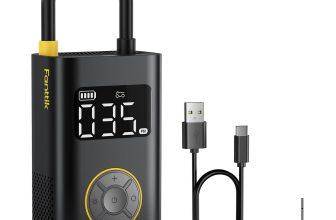
Once the hose is in place, I connect my tool. That could be a nailer, a paint gun, or a tire inflator. For travel, I keep a portable air compressor for tires in my car. It’s smaller but perfect for emergencies.
Whatever tool I use, I make sure it’s fully locked in. A half-fitted tool is like a half-zipped backpack—it’s going to cause problems.
Step 7: Adjust the Regulator
Each tool has its own pressure sweet spot. I turn the regulator knob clockwise to increase the pressure or counterclockwise to reduce it.
The manual usually lists the right settings. Too much, and you risk damaging the tool. Too little, and it barely works. It’s just like cooking—you want the burner hot enough to cook, but not so high you burn dinner.
Step 8: Power Off the Unit
When I’m done, I turn the switch off and unplug it. Simple, but easy to forget when I’m in a rush. Leaving it running wastes electricity and puts strain on the motor.


Maintenance and Care of Air Compressors
Using a compressor is one thing. Keeping it in good shape is another key factor. Here’s how I make mine last:
Drain the Tank Regularly
Moisture builds up inside tanks because of condensation. I release it after each use with the drain valve at the bottom. Skip this step, and rust will eventually ruin the tank.
Avoid Extension Cords
I’ve seen motors fry because someone used a long extension cord. Voltage drops make the machine overheat. A longer hose is a much better choice.
Keep Oil Fresh
If your unit uses oil, change it on schedule. Old oil thickens and reduces performance. Think of it as changing car oil—it’s the same principle.
Clean the Housing
After use, I wipe down the machine with a soft cloth. Dust and grime build up quickly in garages. I avoid strong chemicals that could harm the plastic parts.
Check the Air Filter
The filter keeps dirt out of the motor. I clean or replace mine every 100 hours of use. A clogged filter means the machine works harder and delivers less power.
Common Mistakes People Make
Over the years, I’ve noticed most air compressor issues come from the same mistakes. Here are a few:
- Running tools at the wrong pressure
- Forgetting to drain moisture from the tank
- Using hoses that are too long without checking the CFM
- Ignoring oil changes
- Storing the unit in damp places
If you avoid these, you’re already ahead of most new users.

Troubleshooting Issues of Air Compressors
Even with care, machines act up sometimes. Here are problems I’ve run into and how I solved them:
- Unit won’t start: Check the power supply and reset switch.
- Tank fills slowly: Look for leaks or a clogged air filter.
- Too much noise: loose fittings or lack of oil.
- Uneven pressure: Regulator or hose leaks.
- Overheating: Using it for longer than the rated duty cycle or running on an extension cord.
Pro Tips for Different Uses of Air Compressors
For Tires
Use a smaller portable unit if you only need it for inflating car or bike tires. They’re easier to carry and store.
For Painting
Get a unit with steady pressure and a clean filter. Fluctuating pressure ruins paint jobs fast.
For Tools
Match the CFM rating of your compressor to your tool. Nail guns need short bursts, while grinders or sanders need constant airflow.
FAQs
Q: Can I leave my compressor pressurized overnight?
I don’t. Draining it keeps moisture out and relieves stress on the tank.
Q: How often should I change the oil?
Every 3–6 months, depending on how often I use it.
Q: Can I run multiple tools at once?
Only if the machine produces enough airflow. Otherwise, tools will run poorly.
Q: Is it safe to use indoors?
Yes, if it’s electric. Gas-powered compressors should only be used outdoors.
For me, How to Use Air Compressors is about more than powering tools—it’s about working smarter. Safety first, setup second, and maintenance always. Treat it well, and this machine will serve you for years.
If you’re new, start small, keep things simple, and add complexity only when you’re ready. I’ve made mistakes, so you don’t have to. Now it’s your turn to put this powerful tool to work.