
Jack Stand Complete Guide to Safe and Reliable Vehicle Support

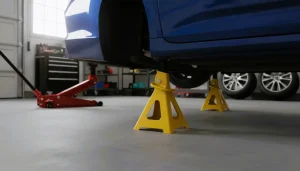
A jack stand is one of the most important safety tools for anyone who works on a vehicle. It is built to hold a car in place after lifting, providing a steady support you can rely on. Without this added protection, even simple maintenance tasks can become risky.
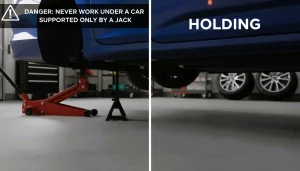
Many people make the mistake of working underneath a vehicle held only by a lifting device. If that mechanism slips, fails, or slowly loses pressure, serious injuries can occur. Vehicles are extremely heavy, and even a slight movement can cause major harm. In this guide, you will learn how this tool functions, the different types available, and how to use them correctly. By the end, you will understand why proper vehicle stabilization is not optional, but a basic requirement for safe and confident maintenance.
What I’ll Walk You Through
Before getting into details, here’s a quick snapshot of what I’ll explain so you can decide how deep you want to go:
- What Jack actually stands do and why I trust them
- How car jack stands differ from basic lifting tools
- How I use jack stands step by step without rushing
- When 3 3-ton jack stands make sense
- My honest thoughts on Harbor Freight options
- Why proper support matters more than the lifting tool itself
- How I think about stability, balance, and weight distribution
- The differences between common options
- My step-by-step method for setting everything up safely
- Where most people get it wrong (even experienced DIYers)
- Thoughts on popular budget and premium options
- Storage, checks, and habits that prevent failure over time
No filler. No scare language. Just practical guidance from someone who prefers calm weekends and intact bones.
What Is a Jack Stand and How Does It Work?
A jack stand is a mechanical device made to hold a vehicle’s weight after it has been raised. Unlike lifting equipment, it does not depend on hydraulic pressure or moving components to remain stable. When positioned correctly, it provides steady, long-term and without gradual movement.
The difference between this tool and a car jack comes down to purpose. A jack lifts a vehicle off the ground, while this device is meant to keep it securely in place. One handles elevation, the other handles load holding over time. Because it is built for extended use, the design includes a wide base, strong construction, and a locking system that prevents sudden shifts. These features make it far safer than relying on a lifting tool alone.
Why Jack Stand Vehicle Support Deserves Respect
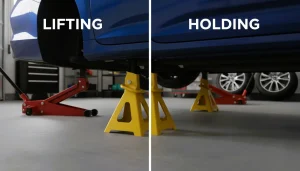
Raising a car looks simple. Keeping it still is the hard part. A lifting tool uses force. Equipment handles weight. That difference is subtle but important. Force is temporary. Weight is patient. When I’m under a vehicle, I don’t want to rely on seals, pressure, or hope. I want solid contact with the ground, spread across a wide base, holding steady without effort. Once I understood that, my setup changed for good.
How I Separate Jack Stand Lifting From Holding
Here’s the mental rule I follow every time:
- One tool gets the vehicle up
- Another keeps it there
I never mix those jobs. The lifting device does its job and then steps aside. After that, the load rests on something built to stay put. That separation alone removes a lot of risk. It also slows me down just enough to think, which is usually a good thing.
Understanding Stability for Jack Stand
Stability comes from three things:
- A flat surface
- Even weight distribution
- No movement once the load settles
If any one of those is missing, the setup isn’t ready. I don’t chase perfection here. I chase predictability. If the vehicle doesn’t rock, shift, or creak when nudged, I’m comfortable continuing. If it does, I reset everything. No exceptions.
Why I Often Choose Jack Stand Mid-Capacity Options
For typical cars and crossovers, I prefer units rated well above the actual load. That extra capacity doesn’t make the setup bulky. It makes it calmer. I don’t worry about small shifts. I don’t second-guess placement. I don’t rush removal. That peace of mind is worth far more than saving a few dollars or inches of space.
Why I Never Work Under a Car Without Jack Stands
A jack is built to lift. It is not built to hold. That difference matters more than people think. When I’m under a vehicle, I want the weight spread wide. I want balance. I want time on my side. That’s exactly what Jack stands give me. They sit still. They don’t rely on pressure. They don’t slowly leak down while I’m holding a wrench. If you’ve ever felt that slight dip while using a jack alone, you already know why this matters.
Types of Jack Stands
Not all jack stands are built with the same purpose in mind. While they may look similar at first glance, differences in design, capacity, and usability can affect how safe and convenient they are for specific vehicles and tasks. Understanding these differences helps you choose the right stand instead of relying on guesswork.
Standard Jack Stands
Standard jack stands are the most widely used option in home garages, and for good reason. Their design focuses on simplicity and rather than specialization. Most models feature a solid metal frame, a wide base for ground contact, and an adjustable height mechanism that allows the stand to fit different lifting situations.
The wide base plays a key role in safety. Spreading the vehicle’s weight over a larger surface area reduces the chance of tipping or sinking into the ground. This is especially important when working on concrete driveways or garage floors that may not be perfectly smooth.

The adjustable height mechanism—often a ratchet-style center post—allows users to fine-tune the stand’s height after lifting the vehicle. This flexibility makes standard jack stands suitable for a variety of basic tasks such as oil changes, brake repairs, and tire rotations. You can lift the car just enough to work comfortably without raising it higher than necessary.
Another advantage of standard jack stands is accessibility. They are generally affordable, widely available, and easy to understand. Beginners often gravitate toward them because there is little complexity involved. You lift the vehicle, place the stand, lower the car, and confirm.
However, standard jack stands are not perfect for every situation. They may lack the specialized contact surfaces needed for certain vehicle designs, and some lower-cost models use thinner materials or less secure locking systems. While they work well for routine maintenance, users should always verify the weight rating and build quality before trusting them under heavier vehicles.
Car Jack Stands
Car jack stands are a more refined version of standard stands, designed specifically with passenger vehicles in mind. Their height range, saddle shape, and overall dimensions are matched to the lifting points commonly found on cars, sedans, hatchbacks, and compact SUVs.
One key difference lies in the surface. Many car jack stands have saddles shaped to cradle pinch welds or reinforced frame sections. This helps distribute pressure more evenly and reduces the risk of bending metal or damaging factory lift points.
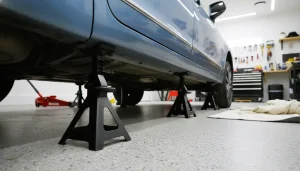
These stands also tend to be lighter and more compact than heavy-duty alternatives. That makes them easier to carry, position, and store, especially in smaller garages. For people who regularly perform routine maintenance on personal vehicles, this balance of size and strength is a major advantage.
Car jack stands are often the best choice for everyday automotive work. They provide enough capacity for most passenger vehicles without the bulk or weight of stands designed for trucks or commercial use. This makes setup faster and reduces physical strain during positioning.
That said, their lighter build means they may not be suitable for heavier SUVs, trucks, or vehicles with high ground clearance. Using them outside their intended range can reduce or increase risk. As with any equipment, matching the stand to the vehicle is essential.
3 Ton Jack Stands
Three-ton jack stands are among the most popular options for home mechanics because they strike a practical balance between strength and usability. The “3 ton” rating typically refers to the combined load capacity of a pair, meaning they can safely support up to 6,000 pounds when used correctly and on a solid surface. This capacity covers a wide range of vehicles, including most cars, crossovers, and many mid-size SUVs. For many users, this makes the three-ton stands a versatile, one-size solution that works for multiple vehicles in the household.
One of their biggest advantages is the safety margin they provide. Even if a vehicle weighs significantly less than the rated capacity, the extra strength reduces stress on the stand’s components. This can improve durability over time, especially during longer repair sessions.
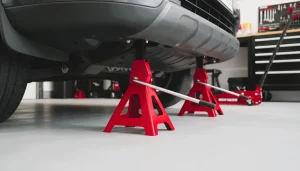
Despite their higher capacity, three-ton jack stands are not excessively large or difficult to handle. Most models remain compact enough for home storage and light enough to move without much effort. This combination of strength and convenience is a major reason they are so widely used.
However, users should still pay attention to height range and design. Some three-ton stands may not extend high enough for lifted vehicles, while others may be too tall for low-profile cars. Choosing the right model within this category is just as important as choosing the correct capacity.
Why Understanding These Differences Matters
Each type of jack stand serves a specific role. Standard jack stands offer simplicity and affordability. Car jack stands focus on passenger vehicle compatibility and ease of use. Three-ton jack stands provide versatility and added safety for a broader range of vehicles.
Selecting the right type reduces risk, improves stability, and makes maintenance tasks smoother and more predictable. Instead of treating jack stands as interchangeable tools, understanding their differences allows you to match the stand to the job—and that is where real safety begins.
How to Use Jack Stands Safely (Step-by-Step)
Using jack stands safely is not just about following the steps in order. It’s about understanding why each step exists. Most accidents happen when one small detail is ignored, not because the person lacked experience. Taking time at each stage reduces risk and improves.
Preparation Before Lifting Your Vehicle
The preparation stage sets the tone for the entire job. If something goes wrong here, no amount of careful placement later will fully fix it.
The first thing to consider is the surface. A flat, level area, such as a garage floor or paved driveway, provides a solid foundation for both the jack and the stands. Uneven ground can cause the weight to shift once the vehicle is lifted, leading to tipping or sliding. Soft surfaces can also allow the stand’s base to sink slightly, which may not be noticeable until the vehicle is already off the ground.
Next comes inspection. Jack stands should never be treated as “set it and forget it” tools. Before each use, check for visible damage such as cracks in the metal, bent legs, or rusted sections. Pay close attention to locking mechanisms, whether they use a pin, ratchet, or threaded design. If the lock does not engage smoothly or feels loose, the stand is not safe to use.
Skipping inspection is risky because damage is not always obvious during setup. A stand that looks fine from a distance can fail once weight is applied. Taking a minute to inspect prevents that kind of surprise.
How to Position Jack Stands Correctly
Correct placement is one of the most critical steps in the entire process. Even high-quality jack stands cannot compensate for poor positioning.
Vehicle manufacturers design specific support points to handle weight safely. These points are usually reinforced with pinch welds or solid frame sections and are often marked in the owner’s manual. Placing a stand at these locations allows the load to be transferred evenly without damaging the vehicle.

Placing stands on thin metal, plastic covers, or suspension components can cause bending, slipping, or sudden collapse. These areas are not built to static weight, even if they appear sturdy at first glance.
Alignment also matters. Each stand should sit squarely on the ground with its base fully in contact with the surface. The top of the stand should meet the point straight on, not at an angle. An angled contact increases the chance of shifting once the vehicle is lowered.
This step rewards patience. Taking extra time to confirm placement dramatically reduces the chance of in later.
Lowering the Vehicle onto Jack Stands
Lowering the vehicle is not just a transition step; it’s a test of your setup. The vehicle should be lowered slowly and under full control. Sudden drops can cause the stand to shift or settle unevenly. As the weight transfers, listen and watch carefully. Any unexpected movement or noise is a sign to stop and reassess.
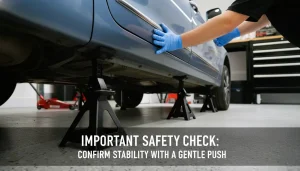
Once the vehicle’s weight is fully resting on the stands, it must be checked. Gently pushing the vehicle side to side helps reveal issues that are not visible at rest. The vehicle should feel solid and resistant to movement. If the vehicle shifts, even slightly, the safest choice is to lift it again and reposition the stands. It may feel inconvenient, but ignoring small movements can lead to much larger problems later.
Jack Stand Safety Tips You Should Never Ignore
One rule stands above all others: never rely on a jack alone to a vehicle. Jacks are lifting tools, not long-term supports. Hydraulic seals can fail, and mechanical components can slip without warning. Professionals often add extra layers of protection even after placing jack stands. Keeping the jack lightly raised under the vehicle provides a secondary point of contact. Placing removed wheels flat under the frame adds another physical barrier in case of failure.
These measures do not replace proper jack stand placement, but they increase overall safety. They create redundancy, which is essential when working with heavy objects. Small precautions taken before crawling underneath can prevent serious injuries. In vehicle maintenance, safety is not about speed or convenience. It is about creating a stable, predictable setup before any work begins.
Why These Steps Matter
The steps in this process are determined based on previous experience. Preparation ensures a solid foundation. Proper placement ensures correct load distribution. Careful lowering confirms. Backup safety measures provide insurance against the unexpected. Together, these steps turn a risky task into a controlled one. Understanding and respecting each stage is the key to working under a vehicle with confidence and peace of mind.
Jack Stands vs Car Jacks: What’s the Difference?
The main difference lies in their purpose. A car jack lifts the vehicle. Jack stands in support of it. Use a car jack when you need to raise the vehicle off the ground. Use jack stands when you plan to work underneath or keep the vehicle elevated for more than a brief moment. Jack stands are absolutely required for any task that involves going under the car, such as suspension work, exhaust repairs, or transmission service.
Best Jack Stands for Home Mechanics
Key Features to Look For
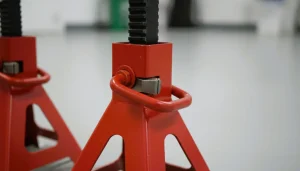
When choosing jack stands, focus on three main features:
- Weight rating: Always choose stands rated higher than your vehicle’s weight
- Locking mechanism: Look for strong, secure locks that prevent slipping
- Build quality: Thick metal, solid welds, and a wide base improve
These features help ensure the stands perform reliably over time.
Jack Stands Harbor Freight: Are They Worth It?
Harbor Freight offers a range of jack stands at budget-friendly prices. Some models are suitable for light home use, while others have faced recalls in the past. The main advantages are affordability and availability. The drawbacks can include inconsistent quality and limited long-term durability. These stands may be worth considering for occasional use, but users should always check recall status and inspect them carefully before use.
Common Mistakes People Make When Using Jack Stands
One common mistake is using stands with an incorrect weight rating. Stands that are too weak can fail under load. Poor placement is another issue. Even strong stands cannot compensate for incorrect positioning. Using damaged or recalled jack stands is also dangerous. Always verify product safety information and replace compromised equipment immediately.

How to Choose the Right Jack Stand for Your Vehicle
Start by matching the stand’s capacity to your vehicle’s weight. Always choose a higher rating than required. Next, consider height and design. Low-profile vehicles may require shorter stands, while trucks and SUVs typically need taller options. Finally, balance budget and safety. Saving money should never come at the cost of personal safety.
Thoughts on Budget-Friendly Jack Stand Options
Affordable support equipment can work if chosen carefully.
I always check:
- Weight rating
- Locking design
- Recall history
Some low-cost models perform fine for light, occasional use. Others cut corners where it matters most. If I’m unsure, I pass. Cheap equipment only stays cheap if it never fails.
Where Premium Designs Make a Difference
Higher-end systems solve problems that traditional designs accept as normal. Better alignment. Wider bases. Integrated components. That doesn’t mean everyone needs them. It means they reduce friction and setup time for people who work on vehicles often. When setup becomes easier, people follow safety steps more consistently. That alone is a big advantage.
A Note on Jackpoint Systems
Integrated solutions like Jackpoint stood out to me because they remove common frustrations. The lift point and align naturally. The load settles straight down. There’s no juggling tools mid-process. That design reduces guesswork and speeds up full-vehicle lifts without cutting corners. I also respect manufacturers who invest in tooling, testing, and supply, even when it causes short-term delays. That usually points to long-term reliability.
Storage and Care (The Quiet Safety Factor)
Most failures don’t happen during use. They start in storage. I check my equipment before every job. Not in detail. Just enough to notice damage or wear.
I store everything:
- Dry
- Clean
- Together as matched sets
Bent parts, worn locks, or missing pins are non-negotiable issues. If something looks off, it doesn’t get used.

How I Decide When to Replace Equipment
I don’t wait for failure.
I replace support gear when:
- Locks feel loose
- Surfaces deform
- Components no longer seat cleanly
The tools age quietly. Paying attention keeps them honest.
Who Benefits Most From Doing This Right
This approach works well for:
- DIY mechanics
- Weekend maintenance
- Brake and suspension work
- Tire rotations
- Oil changes
Even if you outsource major repairs, having a safe setup at home gives you control and flexibility. And control reduces stress. Always has.
The Role of Habit in Safety
The biggest improvement I ever made wasn’t buying better gear. It was slowing down. Repeating the same steps every time removes emotion from the process. There’s no “this will be fine.” There’s only this is how I do it. Habits protect you when attention slips.
Maintenance and Storage Tips for Jack Stands
Regularly inspect your jack stands for any signs of wear, rust, or structural damage to ensure they remain safe to use. Pay special attention to locking parts and contact points. Store your jack stands in a clean, dry place to protect them from moisture and prevent corrosion over time. Keeping stands paired together also helps maintain even wear and consistent performance.
Frequently Asked Questions About Jack Stands
- Are 3-ton jack stands enough for SUVs?
They are suitable for many small to mid-size SUVs, but heavier models may require higher-capacity stands.
2. Can Jack’s stands fail?
Yes, especially if they are damaged, overloaded, or improperly placed.
3. How many jack stands do you need?
Two stands are enough for one end of a vehicle. Four are needed to lift the entire car off the ground.
Why Jack Stands Are Non-Negotiable for Safety
Jack stands are a basic but critical part of vehicle maintenance. They provide stability, confidence, and protection while you work. Using them correctly reduces risk and helps prevent serious accidents. For both beginners and experienced DIYers, proper preparation makes every job safer and less stressful. When it comes to working under a vehicle, there is no shortcut worth taking. Safety should always come first.