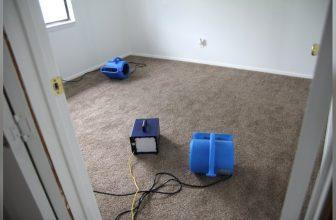
How Does an Ozone Generator Work? A Simple Guide
How Does an Ozone Generator Work? Get a clear explanation of how ozone generators produce ozone and why it is effective for odor control and purification. I often notice that people talk about this technology as if it were mysterious. They know it removes odors. They hear it “cleans” air or water. But when I ask how it actually works, the answers usually stop there.
That gap is why I wrote this guide.
My goal here is simple. This guide explains how the system functions, what it does, and why it behaves as it does, relying on facts instead of hype or scare tactics. This topic does not need either. Before I explain the process, here’s a quick overview of what I’ll cover.
What You’ll Learn in This Guide
- What this type of machine actually produces
- How oxygen changes during the process
- The main ways these systems generate reactive gas
- Why do the gases react so quickly with odors and microbes
- How air and water applications differ
- The two main ways ozone generators produce ozone
- Where ozone generators are commonly used
- Where safety fits into proper use
What Is an Ozone Generator?
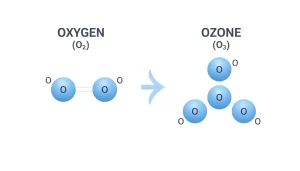
I’ll start with the basics. An ozone generator is a device that creates a reactive form of oxygen. Normal oxygen has two atoms. This version has three. That extra atom changes everything. Because the structure is unstable, it reacts easily. It does not sit still. It looks for other molecules to interact with. When it finds them, it changes them.
That behavior explains why the gas is useful. It also explains why timing and control matter. These machines range in size. Some fit in a small case. Others fill entire rooms in industrial facilities. Regardless of size, the core function remains the same. Oxygen enters. Energy is applied. A new form of oxygen is formed and released for a specific purpose.
How Does an Ozone Generator Work?
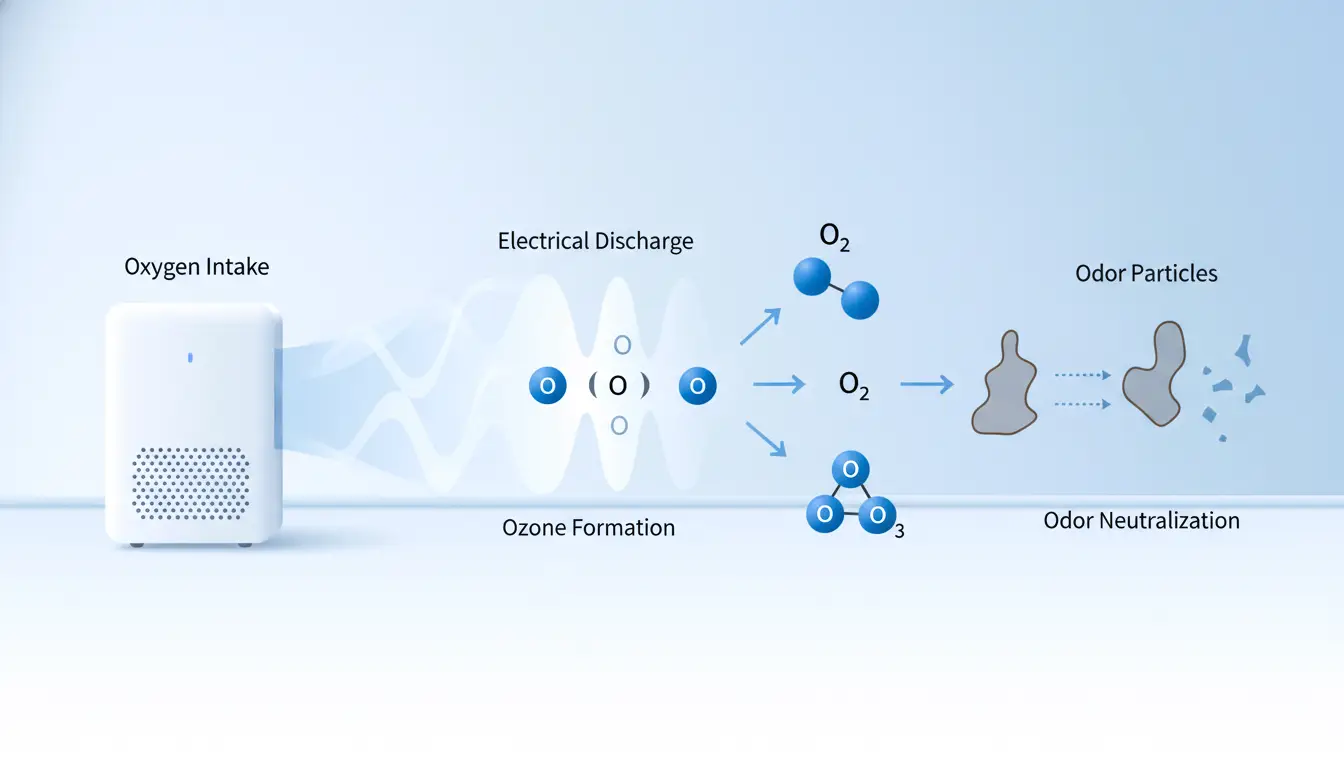
At a mechanical level, the process is straightforward. The unit pulls in oxygen from a source. Energy is applied. Oxygen molecules split apart. Loose atoms reattach. A three-atom oxygen molecule forms. That’s the entire cycle.
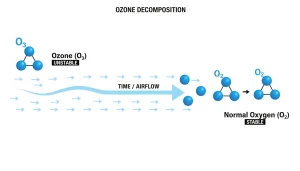
Once released, the gas reacts with substances in the air or water. After reacting, it breaks down and becomes normal oxygen again. No storage. No long-term presence. It finishes its task and disappears. If that sounds efficient, it is. If it sounds temporary, that is also correct.
How Do Ozone Generators Work Step by Step?
People often expect a complex explanation. I prefer clarity. Here is the process without extra noise.
- Oxygen enters the system
- Energy disrupts the molecule
- Atoms separate
- A third atom attaches to another molecule
- The reactive gas exits the unit
- It reacts with nearby substances
- It converts back into oxygen
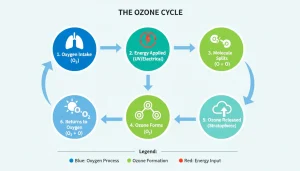
Every system follows this pattern. Differences exist in how energy is applied and how oxygen is supplied. The chemistry does not change.
Why Ozone Forms So Easily
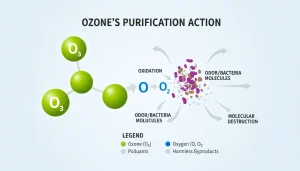
The three-atom structure is unstable by nature. That instability drives its behavior. The extra atom wants to detach. To do that, it must interact with something else. When it does, oxidation occurs. That reaction alters the target substance.
Odor molecules break apart. Cell walls rupture. Organic compounds degrade. Once the reaction finishes, the molecule relaxes back into a stable oxygen form. This is why no chemical residue remains. The process is fast. Sometimes too fast for people who expect lingering effects.
How Nature Creates Ozone
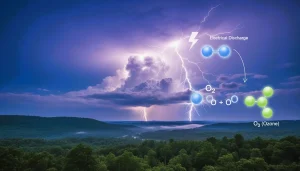
Machines did not invent this process. Lightning creates ozone by releasing massive electrical energy into the air. After a storm, the clean smell many people notice comes from this reaction. Sunlight also plays a role. Ultraviolet rays break oxygen molecules apart in the upper atmosphere. Those atoms recombine into a three-atom structure. Machines copy these natural processes. They just do it indoors and on demand. Thankfully, without thunder.
The Two Primary Generation Methods
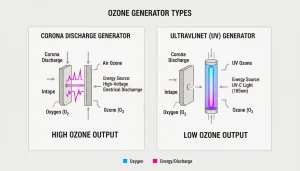
Most systems fall into two categories. The difference lies in how energy is delivered.
Corona Discharge Systems
This is the most widely used method. The device forces oxygen through a high-voltage electrical field. That field splits the oxygen molecule. The free atoms quickly reform into a reactive form. These systems produce higher output. They work well for water treatment and heavy odor removal. They also require clean, dry input air to function well. Humidity reduces efficiency. Machines dislike moisture. So do most electronics.
Ultraviolet Light Systems
This method uses UV lamps instead of electricity. Light at a specific wavelength breaks oxygen molecules apart. Recombination follows. These systems produce lower output. These systems are more affordable, perform better in humid conditions, and are ideal for smaller or controlled applications. Neither method is “better” in all cases. Each serves a purpose.
Oxygen Sources Matter
Because ozone breaks down quickly, it must be generated where it is used. That makes the oxygen source important. There are three common options.
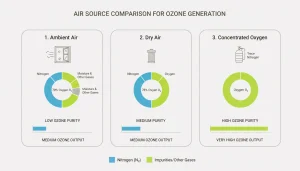
Ambient Air
This is normal air from the surrounding environment. It’s free and easy to access, but it also contains moisture, dust, and other contaminants. Systems using ambient air produce lower output and need more maintenance. Small units often use this method due to simplicity.
Dry Air
Dry air systems remove moisture before oxygen enters the generator. This improves consistency. It reduces internal wear. Output becomes more predictable. The setup is more complex than ambient air, but performance improves. Many commercial systems choose this option.
Concentrated Oxygen
This source uses oxygen that is at least 90 percent pure. Output increases significantly. Dissolution in water improves. Maintenance needs drop. The cost is higher. Equipment requirements increase. Industrial applications often justify the expense.
What Does an Ozone Generator Do?
I’ll keep this answer practical. It alters organic substances through oxidation. Odors break apart at the molecular level. Microorganisms lose structure. Viruses stop functioning. This process does not mask problems. It removes the cause. Once the reaction finishes, the gas converts back to oxygen. No perfumes. No chemicals left behind.
What Do Ozone Generators Do in Real Environments?
The chemistry stays the same. The application changes.
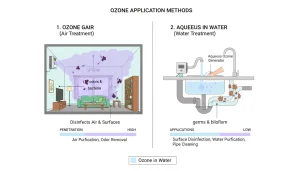
Air Applications
In the air, the gas spreads quickly. It reaches areas that filters cannot. It works well for odor removal in unoccupied spaces. Smoke damage, pet odors, and musty rooms are common examples. Timing matters. So does ventilation after treatment.
Water Applications
In water, the gas dissolves and reacts even faster. It disinfects without chemical residue. Treatment time shortens. Taste and clarity improve. Food processing and water treatment facilities rely on this behavior.
Surface Cleaning
Ozonated water can sanitize surfaces. Microbes break down quickly. After the reaction, only oxygen remains. No rinsing required. This makes the process appealing in food and medical environments.
Aqueous vs Gaseous Systems
This distinction often gets overlooked.
Aqueous Ozone Systems
These systems inject ozone into water. The water carries ozone to surfaces or through pipes. This method suits food safety, equipment cleaning, and water treatment. Contact time is short. Effectiveness is high. Microorganisms break down quickly. Regrowth slows when combined with proper filtration.
Gaseous Ozone Systems
These systems release ozone directly into the air. They treat airborne contaminants and exposed surfaces at the same time. Odors dissipate faster. Safety protocols matter here. Treatments must occur in empty spaces or under professional supervision.
Why Safety Matters
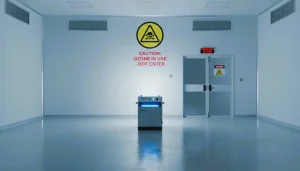
I address safety directly because it deserves clarity. High concentrations irritate the lungs. Prolonged exposure causes discomfort. That is not a design flaw. It is a property of the gas. This is why treatments occur in unoccupied spaces. It is also why professional systems include timers, sensors, and controls. Used correctly, the technology is effective. Used carelessly, it becomes a problem. Even the best tool needs boundaries. This one is no exception.
Why Ozone Does Not Linger
One benefit of this process is its short lifespan. The molecule naturally breaks down. Heat, airflow, and time speed the process. This behavior explains why there is no residue. It also explains why storage is impossible. The gas works. Then it leaves. No farewell speech.
Humidity and Performance
Moisture affects output. High humidity lowers efficiency. It increases internal wear in corona discharge systems. Dry air and oxygen systems solve this issue. That is why larger setups invest in air preparation. Humidity does not stop the process. It just makes machines work harder than necessary.
Choosing the Right Application
Misuse causes most complaints. This technology is not an air freshener. It is not for occupied spaces.
It is not a replacement for ventilation. Understanding limits prevents frustration. For residential settings, readers often explore options like an ozone generator for the house to understand appropriate use cases and limitations. Context determines success.
Why Sizing Matters
Bigger is not always better. Too much output increases risk. Too little reduces effectiveness. Proper sizing balances treatment time, space volume, and application goals. This is why professional guidance often helps. Guesswork leads to poor results. Machines prefer math.
Common Myths About Ozone
I’ll clear up a few. An ozone generator does not “freshen” the air, and it doesn’t remain active for hours. It also isn’t designed to clean continuously in occupied spaces. Instead, it reacts with contaminants, completes its job, and then dissipates. That simplicity is often misunderstood.
Benefits of Using an Ozone Generator
I see three clear benefits when this technology is used correctly. First, odor removal works at the source. It does not cover smells or mix with them. It reacts with odor-causing compounds and breaks them down. That’s why results feel different from sprays or filters.
Second, disinfection happens without chemicals. There are no liquids to apply and no residue to wipe away afterward. Once the reaction finishes, only oxygen remains. Cleaning without a cleanup step is always a bonus. Third, it reaches areas that tools often miss. Air pockets, fabrics, and tight spaces still get treated. Filters cannot do that. They would need legs.
Is an Ozone Generator Safe to Use?
Yes, when used correctly. The gas is reactive. That means high levels can irritate the lungs. This is why treatments happen in empty spaces. People and pets leave first. Plants usually do too. Safety comes down to timing, sizing, and ventilation. Follow the instructions. Let the space air out afterward. When those steps are respected, risks stay low. This is a treatment tool, not a background appliance.
When Should You Use an Ozone Generator?
I recommend using it for specific problems, not daily comfort. It works well for smoke smells, pet odors, musty rooms, and spaces that feel stale even after cleaning. Short treatments in empty areas produce the best results. It should not be used in occupied rooms or as a replacement for airflow and filtration. If a space needs constant treatment, another solution usually fits better. Think of it as a reset button. Not a permanent switch.
Frequently Asked Questions
- How does an ozone generator work step by step?
Oxygen enters the machine. Energy splits the molecule. The atoms recombine into a reactive form. That gas reacts with odors or microbes. It then breaks down and returns to oxygen. - What do ozone generators do that air purifiers cannot?
They react with odor molecules instead of trapping them. This allows treatment of air, surfaces, and fabrics at the same time. Air purifiers only filter the passing air. - Are ozone generators effective for odor removal?
Yes, when used correctly. They break down odor-causing compounds rather than masking them. Results depend on room size, treatment time, and proper ventilation afterward.
Final Thoughts
I wrote this guide to remove confusion, not create it. The process behind an ozone generator is consistent. Oxygen changes form. Reactions occur—oxygen returns. Understanding that cycle explains both effectiveness and limitations. Used properly, the technology works well.
Used carelessly, it causes issues. Knowledge prevents both extremes. And yes, the post-storm smell is still my favorite explanation. Nature already tested the concept for us.