
Ozone Generator for House: Ultimate Guide to Clean & Fresh Air

How Do Ozone Generators Work?
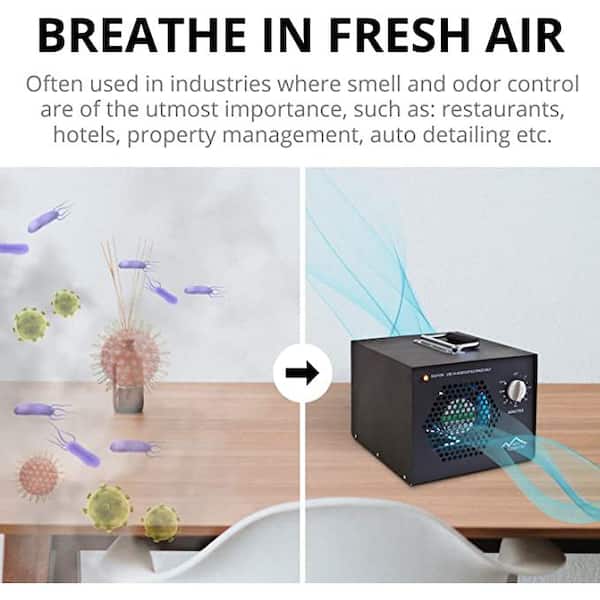
Ozone generators work by converting regular oxygen (O₂) into ozone (O₃), a highly reactive gas that breaks down odors, bacteria, viruses, and mold spores. Instead of trapping pollutants as filters do, ozone reacts with contaminants in the air and on surfaces, neutralizing them at the molecular level. This process makes ozone generators effective for deep air treatment in unoccupied indoor spaces.
Ozone Production Process
Ozone generators create ozone using electricity or ultraviolet (UV) light. These methods split oxygen molecules into individual oxygen atoms, which then combine with other oxygen molecules to form ozone. Once produced, the ozone is released into the room and disperses evenly, allowing it to reach fabrics, carpets, walls, and ventilation areas where odors and microbes often remain.
How Ozone Removes Odors and Microorganisms
Ozone removes pollutants through oxidation. When ozone comes into contact with odor-causing molecules, bacteria, viruses, or mold spores, it reacts with them and breaks their structure apart. This reaction neutralizes odors and destroys microorganisms rather than masking them. After the reaction, ozone naturally converts back into oxygen, leaving no chemical residue behind. Proper ventilation is required to ensure indoor air returns to safe levels.
Choosing The Right Ozone Generator
Choosing the right ozone generator for your home is important for effective air cleaning. The correct model can improve air quality safely and efficiently. Several factors affect the best choice for your space and needs. Understanding these factors helps you pick a machine that works well without risks.
Size And Capacity Considerations
Ozone generators come in different sizes and strengths. Small rooms need less power than large spaces. Check the square footage the machine covers before buying. A generator too small will not clean well. One too large might produce too much ozone, which is unsafe. Match the capacity with your room size for best results.
Safety Features To Look For
Ozone can be harmful in high amounts. Choose a model with built-in safety features. Look for automatic shut-off timers and ozone level controls. Some machines have sensors to detect safe ozone levels. These features help prevent overexposure and keep your home safe. Always follow usage instructions carefully.
Top Models For Home Use
Several models stand out for home ozone use. Look for brands with good reviews and clear safety certifications. Portable units with adjustable settings offer flexibility. Models with quiet operation add comfort to your living space. Compare features and prices to find a reliable option that fits your budget and needs.
Buying Guide—How to Choose the Best Ozone Generator for Home Use
When buying an ozone generator for house use, choosing the right model is essential for both effectiveness and safety. Not all ozone generators are suitable for residential environments.
Key factors to consider include:
- Coverage Area: Match the generator’s output to the size of the room being treated. Using an oversized unit can increase safety risks.
- Adjustable Timer: Timers allow precise control and prevent overexposure.
- Ozone Output Control: Models with adjustable output offer safer operation.
- Safety Certifications: Look for clear specifications and manufacturer guidance.
- Ease of Ventilation: Portable designs make airing out rooms easier after use.
Selecting a properly rated unit ensures better odor removal while minimizing health risks.
Benefits Of Ozone Generators
Ozone generators offer several benefits for homes. They help create a cleaner and fresher indoor space. These devices use ozone to remove pollutants and improve air quality. Using an ozone generator can support a healthier environment inside your house.
Below are some key benefits of ozone generators for home use.
Improving Indoor Air Quality
Ozone generators clean the air by breaking down harmful particles. They target dust, smoke, and chemical vapors. This process helps reduce indoor air pollution. Cleaner air can ease breathing and reduce irritation for many people.
Eliminating Odors And Allergens
Ozone neutralizes strong odors from pets, cooking, and smoke. It also reduces allergens like pollen and dust mites. Removing these irritants creates a fresher smell and a more comfortable space. This benefit is especially helpful for allergy sufferers.
Reducing Mold And Bacteria
Ozone can kill mold spores and bacteria on surfaces and in the air. This reduces the risk of mold growth and illness. Keeping mold and bacteria under control helps maintain a safer home environment.
How to Use an Ozone Generator in the Home Safely
Using an ozone generator correctly improves results while reducing risk. Place the machine in the center of the room, remove people and pets, and close windows and doors. Set the timer based on room size and odor strength.
After the cycle ends, allow fresh air to circulate before entering the space. This step helps clear remaining ozone and restores breathable air.
Safe Usage And Maintenance Tips
Ozone generators can improve air quality in your home. Safe use and regular maintenance keep them working well. Follow clear steps to avoid risks and extend the device’s life. Simple care helps you enjoy fresh, clean air safely.
Proper Operation Guidelines
Place the ozone generator in a well-ventilated room. Turn it on only when no one is inside. Set the timer for short periods, usually 15 to 30 minutes. Always follow the manufacturer’s instructions carefully. Do not run the machine continuously without breaks.
Avoiding Health Risks
Ozone can irritate the eyes, nose, and lungs. Keep children, pets, and plants away during use. Wait 30 minutes after use before entering the room. Open windows to air out the space well. Do not breathe ozone directly or stay inside the room while it runs.
Cleaning And Upkeep
Unplug the device before cleaning. Use a soft cloth to wipe the surface regularly. Remove dust from air vents to keep airflow clear. Check the ozone plates or bulbs and replace them as needed. Store the machine in a dry place to avoid damage.
How Long Does It Take for Ozone to Clear a House?
Ozone usually breaks down within 30 to 60 minutes after the generator stops running. Factors such as airflow, room size, and temperature affect how quickly it clears. Opening windows and using fans can speed up the process.
Re-entering the room too soon increases the risk of irritation, so waiting the recommended time is essential.
How Long to Wait After Using an Ozone Generator
Most manufacturers recommend waiting at least 30 minutes after treatment before entering the space. For larger rooms or higher ozone output, waiting up to two hours provides added safety. The absence of a sharp ozone smell is a good indicator that the air has cleared.

Ozone Generators and Indoor Air Safety Regulations
Ozone generators are regulated because ozone can be harmful when inhaled at high concentrations. Agencies such as the U.S. Environmental Protection Agency (EPA) warn that ozone exposure may irritate the lungs and worsen respiratory conditions if not properly controlled.
For this reason, ozone generators are intended for temporary use in unoccupied spaces, not continuous operation in lived-in rooms. Many manufacturers include timers, output controls, and safety guidelines to help keep ozone levels within safe limits. Proper ventilation after treatment is essential to allow ozone to dissipate naturally back into oxygen.
Understanding these regulations and safety recommendations reinforces the importance of responsible use. When operated correctly and according to guidelines, ozone generators can be effective tools for odor removal without unnecessary health risks.
Is It Safe to Use an Ozone Generator in a Home?
Ozone generators can be safe when used correctly and in controlled conditions. Ozone is harmful when inhaled in high amounts, which is why people, pets, and plants must leave the area during operation. Proper ventilation after use is also required. These devices are intended for short-term treatments, not continuous use. Following manufacturer guidelines helps reduce health risks and ensures effective odor removal.
Safe Ozone Levels Indoors
Indoor ozone levels must remain low to avoid irritation of the lungs, eyes, and throat. Most ozone generators are designed for temporary use in empty rooms, allowing ozone to dissipate before re-entry. Ventilation plays a key role in restoring safe indoor air levels.
Alternatives for Occupied Spaces
Ozone generators are not suitable for use when people or pets are present. For everyday air cleaning, safer alternatives provide ongoing improvement without exposure risks.
Common alternatives include air purifiers with HEPA filters, which remove dust, pollen, and airborne particles. Activated carbon filters help reduce odors from cooking, pets, and smoke. Increased ventilation and exhaust fans also help reduce indoor air pollutants naturally.
Using these options alongside occasional ozone treatments creates a balanced approach to indoor air care.
Comparison Table: Ozone Generator vs Air Purifier
|
Feature |
Ozone Generator for the House |
Air Purifier |
|
Primary Function |
Breaks down odors, bacteria, and mold using ozone |
Filters dust, allergens, and particles from air |
|
Odor Removal |
Very effective, even for deep-set odors |
Limited for strong or embedded odors |
|
Daily Use |
Not recommended |
Safe for continuous use |
|
Safety |
Requires empty rooms and ventilation |
Safe for people and pets |
|
Mold & Bacteria |
Kills spores and microbes |
Traps particles but doesn’t kill all microbes |
|
Best Use Case |
Occasional deep air treatment |
Every day air quality improvement |
|
Maintenance |
Low (plates or bulbs replacement) |
Filter replacements required |
Quick takeaway:
An ozone generator works best as a short-term treatment tool, while an air purifier is better for daily air cleaning.
Real-World Use Cases for Ozone Generators
Ozone generators are commonly used to treat smoke odors after a fire or heavy cigarette use. Property managers often rely on them to refresh rental homes between tenants. They are also effective for removing pet odors embedded in carpets and furniture.
In vehicles, ozone treatments help eliminate smells caused by food, mold, or prolonged smoking. These use cases highlight ozone generators as targeted treatment tools rather than general air-cleaning devices.
Who Benefits Most From Ozone Generators?
Ozone generators are most helpful for homeowners dealing with strong, persistent odors that normal cleaning cannot remove. They are also useful for landlords, real estate professionals, and restoration specialists who need fast odor removal between occupancies.
People seeking a one-time or occasional solution for odor problems benefit more than those looking for everyday air improvement.
Pros and Cons of Ozone Generators
Pros
- Removes deep-set odors at the molecular level
- Kills mold spores and bacteria
- Reaches areas that traditional cleaning cannot
- Low ongoing maintenance
Cons
- Unsafe for use around people and pets
- Not suitable for daily operation
- Can damage rubber, leather, and some plastics
Requires careful timing and ventilation
What Are the Disadvantages of Ozone Generators?
Ozone generators are not suitable for daily air cleaning. Overuse can irritate the respiratory system and damage materials such as rubber, leather, and certain plastics. Sensitive individuals may experience stronger reactions even at lower ozone levels. These devices should be used as occasional treatment tools rather than permanent air-cleaning solutions.
When Ozone Will NOT Work Well
While ozone generators are powerful, they are not a universal solution for every indoor air problem.
Ozone will not be effective if mold growth is caused by ongoing moisture issues, such as leaks, poor drainage, or high humidity. In these cases, the source of moisture must be fixed first, or mold will return even after ozone treatment.
Ozone generators are also not suitable for daily air quality maintenance. They do not replace proper ventilation, routine cleaning, or air purifiers designed for continuous use. Homes with persistent dust, allergens, or outdoor pollution benefit more from HEPA and carbon filtration systems.
Recognizing these limitations helps prevent misuse and ensures ozone generators are applied only where they deliver real value, short-term, targeted odor and contamination control.
When to Use (and When Not to Use) an Ozone Generator
Ozone generators work best in specific situations where deep odor removal is required. They are useful after smoke exposure, water damage, mold cleanup, or strong pet odors that linger despite regular cleaning.
They should not be used as daily air cleaners or in homes with ongoing occupancy. People with asthma, respiratory sensitivity, or young children should avoid ozone exposure altogether. Understanding the right timing prevents health risks and material damage.
Is an Ozone Generator Better Than an Air Purifier?
An ozone generator and an air purifier serve different purposes. Ozone generators target odors and microorganisms through chemical reactions, while air purifiers remove particles using filters. Air purifiers are safer for continuous use, especially in occupied homes. Ozone generators are better suited for deep odor removal, while air purifiers support everyday indoor air quality.
Ozone Generator for Car and Vehicle Use
These are also used to treat odors inside cars and other vehicles. They are effective against smoke, pet odors, and food smells trapped in upholstery and vents. Vehicle treatments require shorter run times than home use.
Why Ozone Generators Can Damage Car Interiors
Damage occurs when ozone generators are used for too long inside vehicles. Prolonged exposure can dry out rubber seals, fade interior materials, and affect electronics. Using the correct timing and ventilation prevents these issues.
Best Ozone Generator for Home Use
The best ozone generator for home use matches the size of the space and includes safety features like timers and adjustable output. Models with clear usage instructions and reliable certifications offer better control and safer operation.
Amazon Ozone Generator Buying Tips
When buying an ozone generator online, focus on verified reviews, coverage ratings, and warranty details. Avoid units with unclear specifications or exaggerated performance claims. Choosing a properly rated model improves results and reduces safety risks.
Quick Comparison Summary
- Ozone generators: Best for occasional deep odor treatment
- Air purifiers: Best for daily indoor air quality
- Safety: Ozone requires empty rooms and ventilation
- Effectiveness: Ozone removes odors; filters cannot
Recommendations – Who Should (and Should Not) Use an Ozone Generator
Ozone generators are recommended for homeowners dealing with strong, persistent odors that regular cleaning and air purifiers cannot eliminate. They are especially useful after smoke exposure, pet odors, mold cleanup, or water damage.
They are not recommended for daily air cleaning, occupied spaces, or homes with individuals who have asthma or respiratory sensitivity. In these situations, air purifiers with HEPA and activated carbon filters provide a safer long-term solution.
Using ozone generators occasionally and combining them with safer air-cleaning methods offers the most balanced approach to indoor air quality.
Frequently Asked Questions
What Is An Ozone Generator For House Use?
An ozone generator cleans air by making ozone, which kills bacteria and removes odors.
Is An Ozone Generator Safe For Home Use?
Use ozone generators carefully. High ozone levels can harm breathing and health.
How Does An Ozone Generator Remove Odors?
Ozone breaks down odor molecules, making smells go away quickly and effectively.
Can Ozone Generators Help With Mold In Homes?
Yes, ozone kills mold spores and stops mold growth in small areas.
Conclusion
An ozone generator for house use can be an effective solution for removing stubborn odors, bacteria, and mold when used responsibly. It works at a deeper level than traditional air-cleaning methods, making it useful for occasional treatments after smoke exposure, pet odors, or moisture problems.
However, ozone generators are not designed for daily operation. Following safety guidelines, such as leaving the room during use and allowing enough time for ozone to dissipate, is essential. For long-term indoor air quality, many homeowners combine ozone treatments with air purifiers for ongoing filtration.
By choosing the right model, using it correctly, and understanding its limitations, an ozone generator can play a helpful role in keeping your home cleaner, fresher, and healthier.
Author Bio
Afroja Parvin is a home improvement and air quality researcher with a focus on indoor environment solutions and consumer product analysis. Her work emphasizes clear, safety-focused guidance to help homeowners make informed decisions about air treatment tools and home appliances. She reviews product specifications, usage guidelines, and real-world performance to provide practical, easy-to-understand recommendations.
A clean and fresh home environment is about more than comfort; it directly affects your health and indoor air quality. Persistent odors, airborne bacteria, mold spores, and smoke particles can build up inside a house, even with regular cleaning. An ozone generator for house use offers a powerful way to remove these pollutants at a deeper level instead of simply masking smells.
Unlike standard air fresheners or filters, ozone generators release ozone that reacts with odor-causing molecules, bacteria, and mold in the air and on surfaces. This makes them especially useful for homes affected by pet odors, cigarette smoke, cooking smells, or moisture-related mold issues. However, proper usage and safety precautions are essential.
In this guide, you’ll learn how ozone generators work, when they are effective, how to use them safely, and how they compare to traditional air purifiers, helping you decide whether an ozone generator is the right solution for your home.
What Is an Ozone Generator and What Does It Do in a House?
An ozone generator is a device that produces ozone (O₃), a highly reactive form of oxygen used to eliminate odors, bacteria, viruses, and mold in indoor spaces. When used in a house, an ozone generator releases ozone into the air, where it reacts with odor-causing molecules and harmful microorganisms, breaking them down rather than masking them.
Unlike air fresheners or traditional air purifiers that only filter particles, ozone generators work through oxidation. This allows ozone to reach deep into fabrics, carpets, walls, furniture, and ventilation systems areas where smoke, pet odors, cooking smells, and moisture-related mold often linger. As a result, ozone generators are commonly used for short-term, deep air treatment in unoccupied rooms.
Because ozone can irritate the respiratory system at high levels, ozone generators are designed for controlled use and should never be operated while people or pets are present. Proper ventilation after treatment is essential to restore safe indoor air conditions.
How Long to Run an Ozone Generator in a House
The recommended run time depends on room size and odor severity. Small rooms typically require 15–30 minutes, while larger spaces may need up to one hour. Treating the home one room at a time is safer and more effective than running the generator throughout the entire house at once.
How Do Ozone Generators Work?
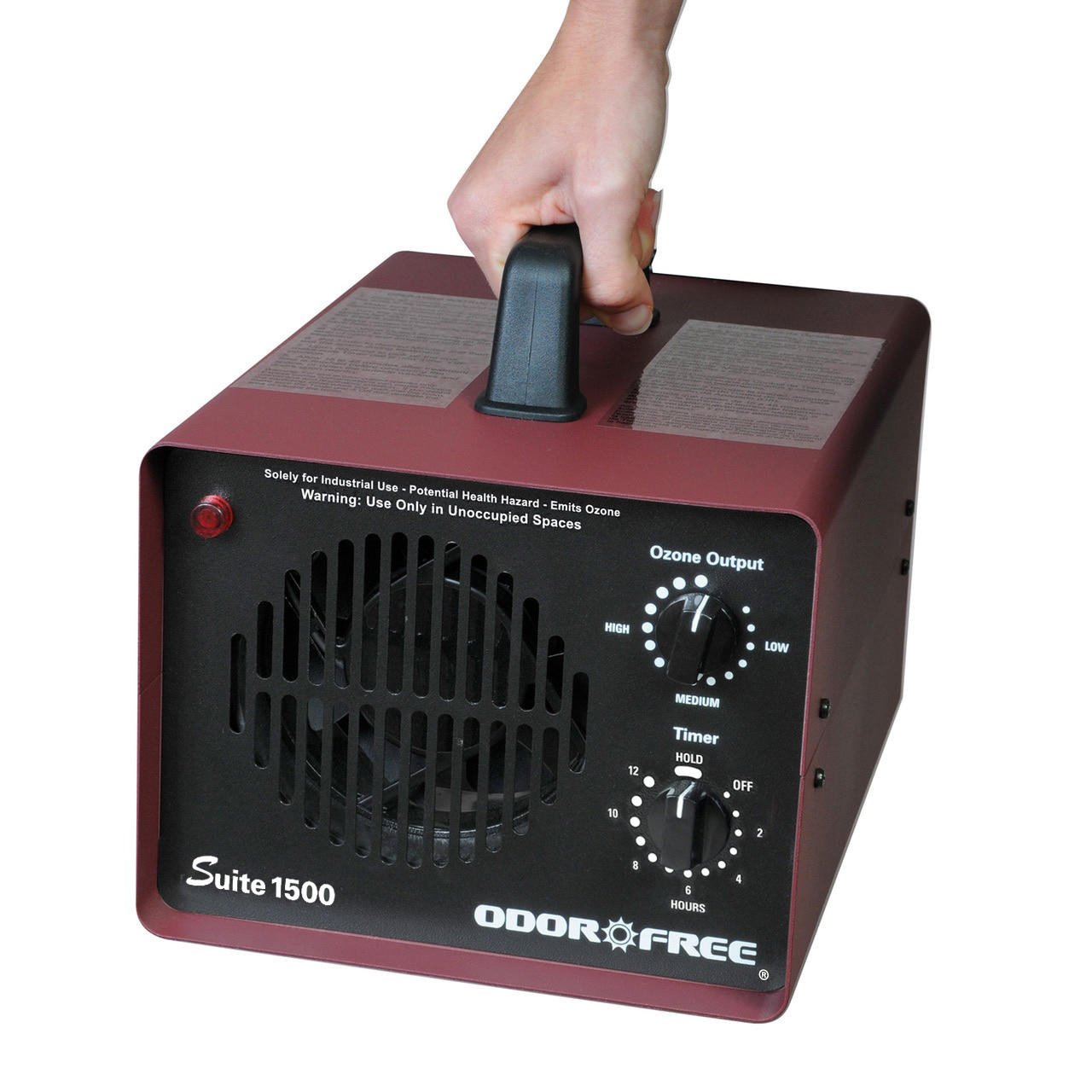
Ozone generators work by converting regular oxygen (O₂) into ozone (O₃), a highly reactive gas that breaks down odors, bacteria, viruses, and mold spores. Instead of trapping pollutants as filters do, ozone reacts with contaminants in the air and on surfaces, neutralizing them at the molecular level. This process makes ozone generators effective for deep air treatment in unoccupied indoor spaces.
Ozone Production Process
Ozone generators create ozone using electricity or ultraviolet (UV) light. These methods split oxygen molecules into individual oxygen atoms, which then combine with other oxygen molecules to form ozone. Once produced, the ozone is released into the room and disperses evenly, allowing it to reach fabrics, carpets, walls, and ventilation areas where odors and microbes often remain.
How Ozone Removes Odors and Microorganisms
Ozone removes pollutants through oxidation. When ozone comes into contact with odor-causing molecules, bacteria, viruses, or mold spores, it reacts with them and breaks their structure apart. This reaction neutralizes odors and destroys microorganisms rather than masking them. After the reaction, ozone naturally converts back into oxygen, leaving no chemical residue behind. Proper ventilation is required to ensure indoor air returns to safe levels.
Choosing The Right Ozone Generator
Choosing the right ozone generator for your home is important for effective air cleaning. The correct model can improve air quality safely and efficiently. Several factors affect the best choice for your space and needs. Understanding these factors helps you pick a machine that works well without risks.
Size And Capacity Considerations
Ozone generators come in different sizes and strengths. Small rooms need less power than large spaces. Check the square footage the machine covers before buying. A generator too small will not clean well. One too large might produce too much ozone, which is unsafe. Match the capacity with your room size for best results.
Safety Features To Look For
Ozone can be harmful in high amounts. Choose a model with built-in safety features. Look for automatic shut-off timers and ozone level controls. Some machines have sensors to detect safe ozone levels. These features help prevent overexposure and keep your home safe. Always follow usage instructions carefully.
Top Models For Home Use
Several models stand out for home ozone use. Look for brands with good reviews and clear safety certifications. Portable units with adjustable settings offer flexibility. Models with quiet operation add comfort to your living space. Compare features and prices to find a reliable option that fits your budget and needs.
Buying Guide—How to Choose the Best Ozone Generator for Home Use
When buying an ozone generator for house use, choosing the right model is essential for both effectiveness and safety. Not all ozone generators are suitable for residential environments.
Key factors to consider include:
- Coverage Area: Match the generator’s output to the size of the room being treated. Using an oversized unit can increase safety risks.
- Adjustable Timer: Timers allow precise control and prevent overexposure.
- Ozone Output Control: Models with adjustable output offer safer operation.
- Safety Certifications: Look for clear specifications and manufacturer guidance.
- Ease of Ventilation: Portable designs make airing out rooms easier after use.
Selecting a properly rated unit ensures better odor removal while minimizing health risks.
Benefits Of Ozone Generators
Ozone generators offer several benefits for homes. They help create a cleaner and fresher indoor space. These devices use ozone to remove pollutants and improve air quality. Using an ozone generator can support a healthier environment inside your house.
Below are some key benefits of ozone generators for home use.
Improving Indoor Air Quality
Ozone generators clean the air by breaking down harmful particles. They target dust, smoke, and chemical vapors. This process helps reduce indoor air pollution. Cleaner air can ease breathing and reduce irritation for many people.
Eliminating Odors And Allergens
Ozone neutralizes strong odors from pets, cooking, and smoke. It also reduces allergens like pollen and dust mites. Removing these irritants creates a fresher smell and a more comfortable space. This benefit is especially helpful for allergy sufferers.
Reducing Mold And Bacteria
Ozone can kill mold spores and bacteria on surfaces and in the air. This reduces the risk of mold growth and illness. Keeping mold and bacteria under control helps maintain a safer home environment.
How to Use an Ozone Generator in the Home Safely
Using an ozone generator correctly improves results while reducing risk. Place the machine in the center of the room, remove people and pets, and close windows and doors. Set the timer based on room size and odor strength.
After the cycle ends, allow fresh air to circulate before entering the space. This step helps clear remaining ozone and restores breathable air.
Safe Usage And Maintenance Tips
Ozone generators can improve air quality in your home. Safe use and regular maintenance keep them working well. Follow clear steps to avoid risks and extend the device’s life. Simple care helps you enjoy fresh, clean air safely.
Proper Operation Guidelines
Place the ozone generator in a well-ventilated room. Turn it on only when no one is inside. Set the timer for short periods, usually 15 to 30 minutes. Always follow the manufacturer’s instructions carefully. Do not run the machine continuously without breaks.
Avoiding Health Risks
Ozone can irritate the eyes, nose, and lungs. Keep children, pets, and plants away during use. Wait 30 minutes after use before entering the room. Open windows to air out the space well. Do not breathe ozone directly or stay inside the room while it runs.
Cleaning And Upkeep
Unplug the device before cleaning. Use a soft cloth to wipe the surface regularly. Remove dust from air vents to keep airflow clear. Check the ozone plates or bulbs and replace them as needed. Store the machine in a dry place to avoid damage.
How Long Does It Take for Ozone to Clear a House?
Ozone usually breaks down within 30 to 60 minutes after the generator stops running. Factors such as airflow, room size, and temperature affect how quickly it clears. Opening windows and using fans can speed up the process.
Re-entering the room too soon increases the risk of irritation, so waiting the recommended time is essential.
How Long to Wait After Using an Ozone Generator
Most manufacturers recommend waiting at least 30 minutes after treatment before entering the space. For larger rooms or higher ozone output, waiting up to two hours provides added safety. The absence of a sharp ozone smell is a good indicator that the air has cleared.
Ozone Generators and Indoor Air Safety Regulations
Ozone generators are regulated because ozone can be harmful when inhaled at high concentrations. Agencies such as the U.S. Environmental Protection Agency (EPA) warn that ozone exposure may irritate the lungs and worsen respiratory conditions if not properly controlled.
For this reason, ozone generators are intended for temporary use in unoccupied spaces, not continuous operation in lived-in rooms. Many manufacturers include timers, output controls, and safety guidelines to help keep ozone levels within safe limits. Proper ventilation after treatment is essential to allow ozone to dissipate naturally back into oxygen.
Understanding these regulations and safety recommendations reinforces the importance of responsible use. When operated correctly and according to guidelines, ozone generators can be effective tools for odor removal without unnecessary health risks.
Is It Safe to Use an Ozone Generator in a Home?
Ozone generators can be safe when used correctly and in controlled conditions. Ozone is harmful when inhaled in high amounts, which is why people, pets, and plants must leave the area during operation. Proper ventilation after use is also required. These devices are intended for short-term treatments, not continuous use. Following manufacturer guidelines helps reduce health risks and ensures effective odor removal.
Safe Ozone Levels Indoors
Indoor ozone levels must remain low to avoid irritation of the lungs, eyes, and throat. Most ozone generators are designed for temporary use in empty rooms, allowing ozone to dissipate before re-entry. Ventilation plays a key role in restoring safe indoor air levels.
Alternatives for Occupied Spaces
Ozone generators are not suitable for use when people or pets are present. For everyday air cleaning, safer alternatives provide ongoing improvement without exposure risks.
Common alternatives include air purifiers with HEPA filters, which remove dust, pollen, and airborne particles. Activated carbon filters help reduce odors from cooking, pets, and smoke. Increased ventilation and exhaust fans also help reduce indoor air pollutants naturally.
Using these options alongside occasional ozone treatments creates a balanced approach to indoor air care.
Comparison Table: Ozone Generator vs Air Purifier
|
Feature |
Ozone Generator for the House |
Air Purifier |
|
Primary Function |
Breaks down odors, bacteria, and mold using ozone |
Filters dust, allergens, and particles from air |
|
Odor Removal |
Very effective, even for deep-set odors |
Limited for strong or embedded odors |
|
Daily Use |
Not recommended |
Safe for continuous use |
|
Safety |
Requires empty rooms and ventilation |
Safe for people and pets |
|
Mold & Bacteria |
Kills spores and microbes |
Traps particles but doesn’t kill all microbes |
|
Best Use Case |
Occasional deep air treatment |
Every day air quality improvement |
|
Maintenance |
Low (plates or bulbs replacement) |
Filter replacements required |
Quick takeaway:
An ozone generator works best as a short-term treatment tool, while an air purifier is better for daily air cleaning.
Real-World Use Cases for Ozone Generators
Ozone generators are commonly used to treat smoke odors after a fire or heavy cigarette use. Property managers often rely on them to refresh rental homes between tenants. They are also effective for removing pet odors embedded in carpets and furniture.
In vehicles, ozone treatments help eliminate smells caused by food, mold, or prolonged smoking. These use cases highlight ozone generators as targeted treatment tools rather than general air-cleaning devices.
Who Benefits Most From Ozone Generators?
Ozone generators are most helpful for homeowners dealing with strong, persistent odors that normal cleaning cannot remove. They are also useful for landlords, real estate professionals, and restoration specialists who need fast odor removal between occupancies.
People seeking a one-time or occasional solution for odor problems benefit more than those looking for everyday air improvement.
Pros and Cons of Ozone Generators
Pros
- Removes deep-set odors at the molecular level
- Kills mold spores and bacteria
- Reaches areas that traditional cleaning cannot
- Low ongoing maintenance
Cons
- Unsafe for use around people and pets
- Not suitable for daily operation
- Can damage rubber, leather, and some plastics
Requires careful timing and ventilation
What Are the Disadvantages of Ozone Generators?
Ozone generators are not suitable for daily air cleaning. Overuse can irritate the respiratory system and damage materials such as rubber, leather, and certain plastics. Sensitive individuals may experience stronger reactions even at lower ozone levels. These devices should be used as occasional treatment tools rather than permanent air-cleaning solutions.
When Ozone Will NOT Work Well
While ozone generators are powerful, they are not a universal solution for every indoor air problem.
Ozone will not be effective if mold growth is caused by ongoing moisture issues, such as leaks, poor drainage, or high humidity. In these cases, the source of moisture must be fixed first, or mold will return even after ozone treatment.
Ozone generators are also not suitable for daily air quality maintenance. They do not replace proper ventilation, routine cleaning, or air purifiers designed for continuous use. Homes with persistent dust, allergens, or outdoor pollution benefit more from HEPA and carbon filtration systems.
Recognizing these limitations helps prevent misuse and ensures ozone generators are applied only where they deliver real value, short-term, targeted odor and contamination control.
When to Use (and When Not to Use) an Ozone Generator
Ozone generators work best in specific situations where deep odor removal is required. They are useful after smoke exposure, water damage, mold cleanup, or strong pet odors that linger despite regular cleaning.
They should not be used as daily air cleaners or in homes with ongoing occupancy. People with asthma, respiratory sensitivity, or young children should avoid ozone exposure altogether. Understanding the right timing prevents health risks and material damage.
Is an Ozone Generator Better Than an Air Purifier?
An ozone generator and an air purifier serve different purposes. Ozone generators target odors and microorganisms through chemical reactions, while air purifiers remove particles using filters. Air purifiers are safer for continuous use, especially in occupied homes. Ozone generators are better suited for deep odor removal, while air purifiers support everyday indoor air quality.
Ozone Generator for Car and Vehicle Use
These are also used to treat odors inside cars and other vehicles. They are effective against smoke, pet odors, and food smells trapped in upholstery and vents. Vehicle treatments require shorter run times than home use.
Why Ozone Generators Can Damage Car Interiors
Damage occurs when ozone generators are used for too long inside vehicles. Prolonged exposure can dry out rubber seals, fade interior materials, and affect electronics. Using the correct timing and ventilation prevents these issues.
Best Ozone Generator for Home Use
The best ozone generator for home use matches the size of the space and includes safety features like timers and adjustable output. Models with clear usage instructions and reliable certifications offer better control and safer operation.
Amazon Ozone Generator Buying Tips
When buying an ozone generator online, focus on verified reviews, coverage ratings, and warranty details. Avoid units with unclear specifications or exaggerated performance claims. Choosing a properly rated model improves results and reduces safety risks.
Quick Comparison Summary
- Ozone generators: Best for occasional deep odor treatment
- Air purifiers: Best for daily indoor air quality
- Safety: Ozone requires empty rooms and ventilation
- Effectiveness: Ozone removes odors; filters cannot
Recommendations – Who Should (and Should Not) Use an Ozone Generator
Ozone generators are recommended for homeowners dealing with strong, persistent odors that regular cleaning and air purifiers cannot eliminate. They are especially useful after smoke exposure, pet odors, mold cleanup, or water damage.
They are not recommended for daily air cleaning, occupied spaces, or homes with individuals who have asthma or respiratory sensitivity. In these situations, air purifiers with HEPA and activated carbon filters provide a safer long-term solution.
Using ozone generators occasionally and combining them with safer air-cleaning methods offers the most balanced approach to indoor air quality.
Frequently Asked Questions
What Is An Ozone Generator For House Use?
An ozone generator cleans air by making ozone, which kills bacteria and removes odors.
Is An Ozone Generator Safe For Home Use?
Use ozone generators carefully. High ozone levels can harm breathing and health.
How Does An Ozone Generator Remove Odors?
Ozone breaks down odor molecules, making smells go away quickly and effectively.
Can Ozone Generators Help With Mold In Homes?
Yes, ozone kills mold spores and stops mold growth in small areas.
Conclusion
An ozone generator for house use can be an effective solution for removing stubborn odors, bacteria, and mold when used responsibly. It works at a deeper level than traditional air-cleaning methods, making it useful for occasional treatments after smoke exposure, pet odors, or moisture problems.
However, ozone generators are not designed for daily operation. Following safety guidelines, such as leaving the room during use and allowing enough time for ozone to dissipate, is essential. For long-term indoor air quality, many homeowners combine ozone treatments with air purifiers for ongoing filtration.
By choosing the right model, using it correctly, and understanding its limitations, an ozone generator can play a helpful role in keeping your home cleaner, fresher, and healthier.
Author Bio
Afroja Parvin is a home improvement and air quality researcher with a focus on indoor environment solutions and consumer product analysis. Her work emphasizes clear, safety-focused guidance to help homeowners make informed decisions about air treatment tools and home appliances. She reviews product specifications, usage guidelines, and real-world performance to provide practical, easy-to-understand recommendations.


